Posted on Sep 3, 2021

After 20 years, what were the lessons learned from Afghanistan?

18.9K
139
28
19
19
0
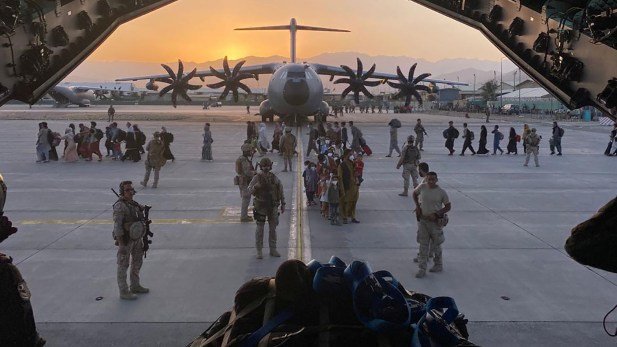
Based on your experience on the ground or from remote locations, how would you rank the largest lessons learned?
Posted in these groups:  Afghanistan
 Operation Enduring Freedom (OEF) - Afghanistan
 Kabul
Kabul Military History
 Tactics
Afghanistan Operation Enduring Freedom (OEF) - Afghanistan Kabul Military History Tactics
Posted >1 y ago
Responses: 21
12
12
0

Same lessons we never learn:
Nation building doesn't work.
You can't buy determination and leadership.
The policeman of the world policy went sour a long time ago and the USA didn't adjust. Unfortunately China has a policy of buying into a country and never leaving. Works for them and will work against us long term.
Endgame and exit strategy are more important long term.
Nation building doesn't work.
You can't buy determination and leadership.
The policeman of the world policy went sour a long time ago and the USA didn't adjust. Unfortunately China has a policy of buying into a country and never leaving. Works for them and will work against us long term.
Endgame and exit strategy are more important long term.
(12)
(0)
LTC Stephen Conway


Staying in place does work. Western Europe and Japan since 1945 and South Korea since 1950.
(2)
(0)
11
11
0

The U.S military can't make a government legitimate unless we remain for multiple generations. I was in Kandahar during the Obama surge 2010 - 2011 and there is no cultural knowledge overlap between the U.S. and any Coalition nation being able to relate to the typical Afghan citizen.
NATO / Germany, Japan and Korea are examples of long-term multi-generational military involvement and investment. I remember Red brigade terrorist attacks in all of these countries prior to the fall of the Berlin Wall in 1989. World War 2 had the U.S. as military governships for much of Western Europe, Japan and for South Korea, our involvement in the Korean War. There was no guarantee of cultural and military success in all of these countries we view as stable democratic countries now.
The U.S. must decide what is in our interests and what level of involvement we need to support these interests. Central Asia / Afghanistan was not a natural sphere of influence for the U.S. It has been either Russia, British, then India or China. We should encourage countries closer to Afghanistan to invest and maintain a presence for a longer term relationship.
Our involvement in Vietnam, Central and South America, parts of Asia and Africa that are not multi-generational and temporary in nature, do not last and they are not effective.
Once the Berlin Wall fell the risk of NATO or the U.S. falling to a communist power went away.
We continue to insert ourselves into the affairs of many countries without a consistent long-term strategy, let's hope we learn from our Afghanistan involvement.
NATO / Germany, Japan and Korea are examples of long-term multi-generational military involvement and investment. I remember Red brigade terrorist attacks in all of these countries prior to the fall of the Berlin Wall in 1989. World War 2 had the U.S. as military governships for much of Western Europe, Japan and for South Korea, our involvement in the Korean War. There was no guarantee of cultural and military success in all of these countries we view as stable democratic countries now.
The U.S. must decide what is in our interests and what level of involvement we need to support these interests. Central Asia / Afghanistan was not a natural sphere of influence for the U.S. It has been either Russia, British, then India or China. We should encourage countries closer to Afghanistan to invest and maintain a presence for a longer term relationship.
Our involvement in Vietnam, Central and South America, parts of Asia and Africa that are not multi-generational and temporary in nature, do not last and they are not effective.
Once the Berlin Wall fell the risk of NATO or the U.S. falling to a communist power went away.
We continue to insert ourselves into the affairs of many countries without a consistent long-term strategy, let's hope we learn from our Afghanistan involvement.
(11)
(0)
LTC Stephen Conway
MAJ Ken Landgren -
that is why we have been in Japan and Western Europe since 1945 and South Korea since 1950.
that is why we have been in Japan and Western Europe since 1945 and South Korea since 1950.
(2)
(0)
7
7
0
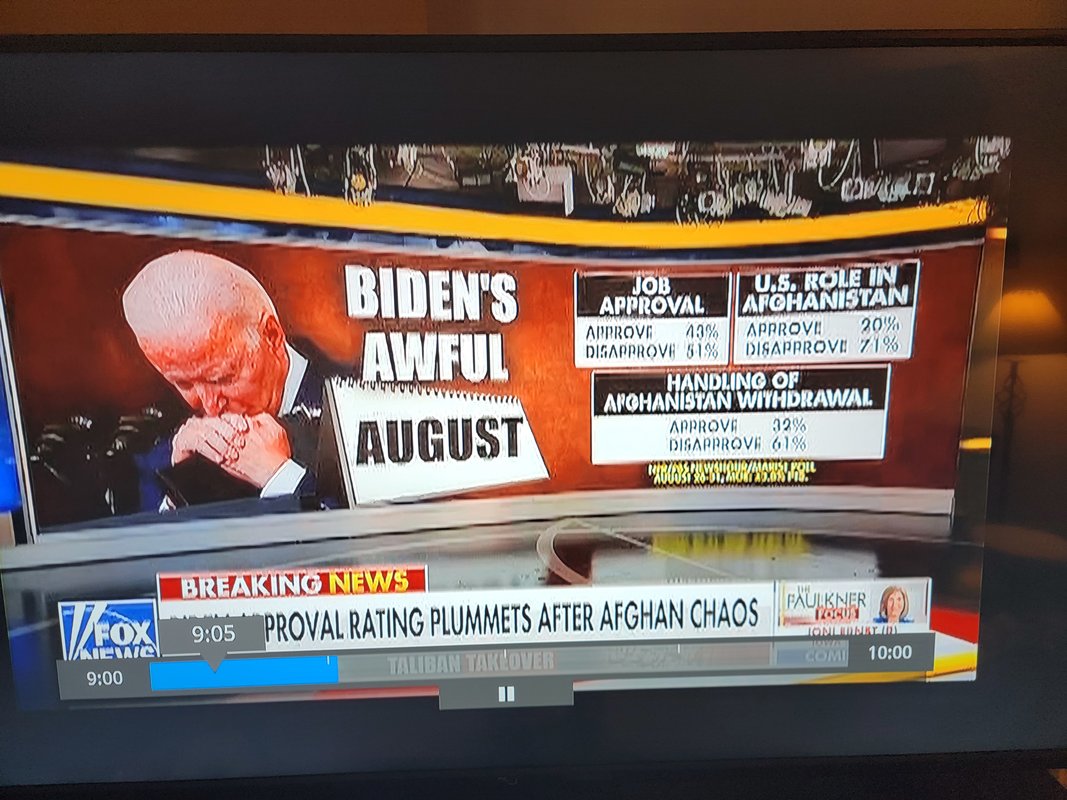
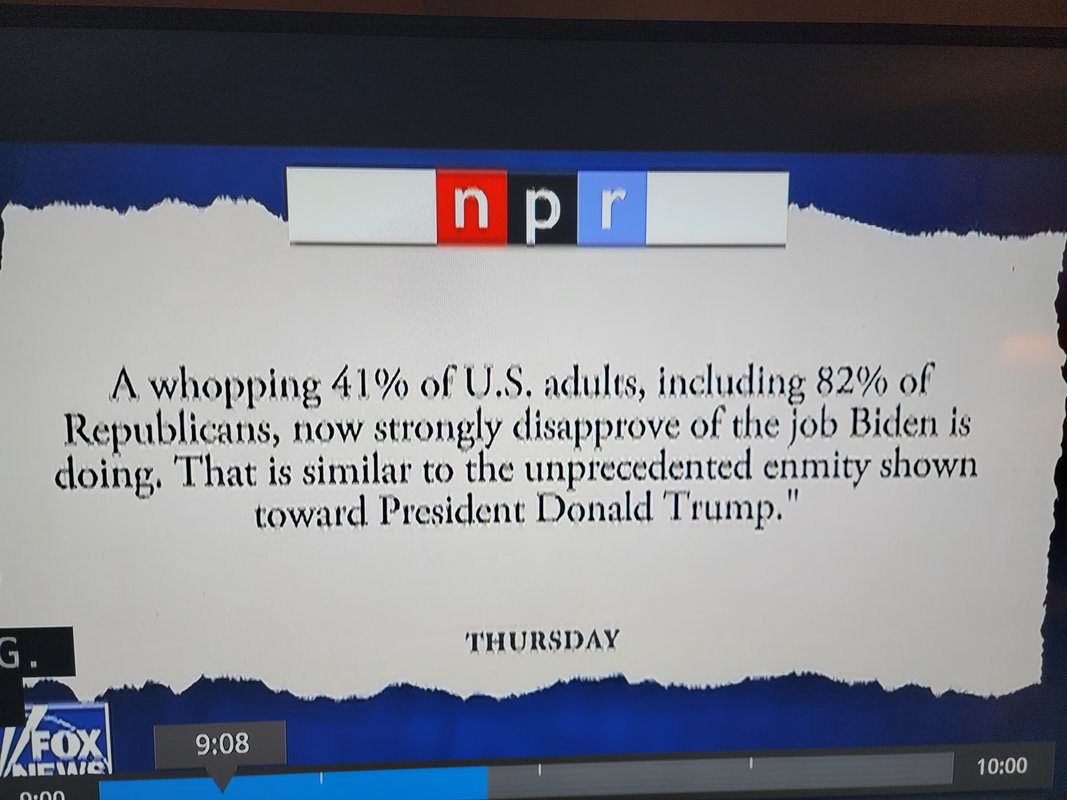

It makes no difference if a Former General and the Joint Chiefs of Staff can't convince our President. In his first day in office, he stopped Trump executive orders on the Keystone Pipeline, the Border Wall, and Fracking on Federal Land. POTUS had 6 months to contain the counterattack the Taliban when they were advancing on all the Provinces in Afghanistan. The books on CALL just collect dust if the people on the TOP are too afraid to show moral courage and recommend common sense approaches to a proper withdrawal. President Biden failed as a young Senator in 1975 and he failed as a man with no common sense after 50 years of Public Service. The SECDEF, The Head of the JCS, and President Biden should resign! If Trump were in office, there would be an impeachment for the same failures. It is so unforgivable that most of the interpreters are still trapped behind enemy lines. Biden had time to stop the Taliban. I was in Farah Province in 2008-2009 and there was an attack 3 months ago but Biden just worried about Climate Change and passing his dumb leftist agenda instead of containing the enemy in Afghanistan.
President Biden lied to the American People and asked the President of Afghanistan to lie to his people on the situation on the ground. https://www.reuters.com/world/asia-pacific/least-7-killed-taliban-attack-southwest-afghanistan-army-outpost-officials-2021-05-03/
President Biden lied to the American People and asked the President of Afghanistan to lie to his people on the situation on the ground. https://www.reuters.com/world/asia-pacific/least-7-killed-taliban-attack-southwest-afghanistan-army-outpost-officials-2021-05-03/

At least 7 killed in Taliban attack on southwest Afghanistan army outpost -officials
Taliban insurgents attacked an army outpost in Afghanistan's southwestern Farah province killing at least seven soldiers, local officials said on Monday, as the country braces for violence after May 1, a previously agreed deadline for foreign troop withdrawal.
(7)
(0)


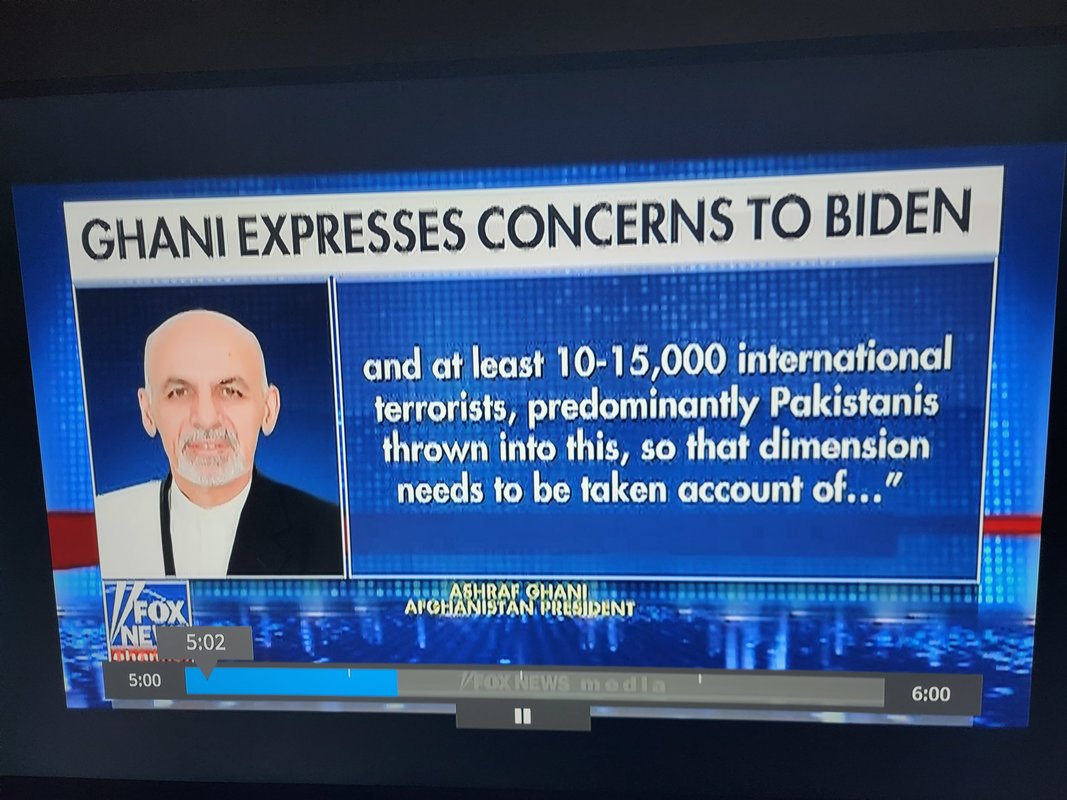


1) We strayed way off from our initial mission objective quickly: eliminate Al Qaeda's capability to launch attacks on our homeland. The objective quickly spiraled into 'don't allow AQ to operate in Afghanistan' which in turn became 'eliminate the Taliban' and then 'replace and rebuild the Afghan government.'
2) We cannot expect other parts of the world function in our paradigm of nation states and national identify of borders and central government. Of course we can create a central government with government officials modeled after our own system but that will be in name only if the people don't feel part of it, and capacity of that government to enforce it's rule of law is absent.
3) No amount of military technology and training can overcome an enemy with the will to outlast the advantages of that technology.
2) We cannot expect other parts of the world function in our paradigm of nation states and national identify of borders and central government. Of course we can create a central government with government officials modeled after our own system but that will be in name only if the people don't feel part of it, and capacity of that government to enforce it's rule of law is absent.
3) No amount of military technology and training can overcome an enemy with the will to outlast the advantages of that technology.
(6)
(0)
6
6
0
You can't impose a Western style of government on a tribal society.
You can't impose Western morals and values on a Islamic State.
The NGOs and other agencies tasked with rebuilding the didn't understand the needs of the country or how Afghan culture works.
The Pentagon and its planners are out of touch with reality.
As Kenny Rogers sang "you have to know when to hold them, know when to fold them, know when to walk away." At a minimum, we should have been out of Afghanistan 10 years ago.
You can't impose Western morals and values on a Islamic State.
The NGOs and other agencies tasked with rebuilding the didn't understand the needs of the country or how Afghan culture works.
The Pentagon and its planners are out of touch with reality.
As Kenny Rogers sang "you have to know when to hold them, know when to fold them, know when to walk away." At a minimum, we should have been out of Afghanistan 10 years ago.
(6)
(0)
LTC Stephen Conway

Except our Western NATO allies got the blue falcon by ate- up POTUS Biden. He lied to everyone and kept the UK and other NATO members in the dark. While Joe was eating Ice Cream, The UK Parliament was in Emergency Session called back from the August recess. https://www.bbc.com/news/blogs-the-papers-58264267 They still have people left behind as well. This is Biden's Digital Dunkirk.
Newspaper headlines: MPs condemn US president, and Johnson 'humiliated'
Most of Thursday's front pages lead on reaction from UK politicians to the crisis in Afghanistan.
(1)
(0)
LTC Stephen Conway
We did not leave 10 years ago because it was during the surge. POTUS Obama had some success. I read the book. Obamas War. We could have left 3k troops and 200 USAF personnel, a few A-10s. AC-130S, F-15 strike Eagles and a 3-5 of B-1s and B-52s to take out a grid square of taliban like they did in Vietnam or use precision stikes in populated areas using AC-130 and the A-10. https://www.youtube.com/watch?v=LENv3L_zbjg
(1)
(0)
5
5
0

One lesson is that measuring the "casualties" of such long term conflicts go way beyond the obvious tragedies of WIAs / KIAs. The invisible wounds, impact on families, risks assumed by local allies, and other long term effects of military service in a place like Afghanistan are not easily quantifiable. Hats off to all the organizations who work to identify and address these issues for our brave men & women who sacrifice so much in tough places to fight like Afghanistan.
(5)
(0)

4
4
0
We tried to turn the an extremely decentralized illiterate society with no sense on nationalism into a national democracy with a strong burocratic central government with burocratic provinces and districts all protected by a burocratic centralized army and police force.
This was never achievable.
This was never achievable.
(4)
(0)
3
3
0

PFC David Foster
Hopefully we learned to stay clear of trying to control governments. The only job we should have in the middle east is to take down terrorist who are trying to harm us.
(0)
(0)
3
3
0

Lessons learned? You can't expect the force as a whole to believe that officers at that level and politicians actually learn lessons. As evidence, I offer Vietnam.
Who is accountable? No one is accountable, the people in charge are seldom if ever actually accountable for anything they do or cause. The fact that officers and NCO's are being censored for being critical of any of this is certainly telling, and the message is "Sit down, shut up, and maybe we won't screw up the next war".
Lessons actually learned...
Politicians pretending to be generals and playing chess on a monopoly board doesn't work, and it hasn't worked since Korea. When we go to war it is because of a grievous insult or injury caused to us that politicians couldn't square away by any other means. That means we go to WAR, not some half-assed poorly planned mission where no one knows what's going on.
Anyone who studied the initial invasion from special operations and air support to boots on ground knows we can advance through most any country we put our mind to with little impunity and relatively minor casualties due to superior technology, equipment, tactics, and personnel. The problem is the aftermath, what's the objective? I firmly believe we can accomplish whatever objective given us so long as it's actually an objective, not some broad feel good plan. If we're going for a broad feel good plan, we better be prepared to do what we did to Germany and South Korea and keep 20,000 - 50,000 troops in the region constantly rotating through.
I think a lot of officers, and bear in mind there was a garrison environment prior to this obviously, learned to trust and adapt to the information being fed to them from the guys on the line. We made a lot of missteps that unnecessarily killed Civilians early on in the war and I think many units learned from that. There's always going to be Civilian casualties, it's the nature of warfare. We like to hold ourselves on a pedestal though, so hopefully these lessons don't have to be relearned for the next war.
International cooperation and intelligence gathering isn't a simple matter. There's not too much I can go on here, sometimes it's a gamble and you hope who you're working with doesn't plot against you. Looking at Pakistan.
History. I've met more than a few joe's that don't know anything about where they're going or bother to learn anything while they're there. Afghanistan has been at conflict for 42 years since the Afghan-Soviet War. They just don't stop, that's an important thing to grasp. This is more of a squad to platoon task, because troops do not retain much of those mind numbing power points. So NCO's need to learn to care about where they're going and impart that onto their guys and gals.
Expectations. You can't expect people from some random place in the world to have the same morals and values as you. I know a lot of people who learned this lesson first hand as they watched the culture and society around them while they were deployed.
There's probably a lot of tactical and bigger view lessons to learn, but it's beyond my experience.
Who is accountable? No one is accountable, the people in charge are seldom if ever actually accountable for anything they do or cause. The fact that officers and NCO's are being censored for being critical of any of this is certainly telling, and the message is "Sit down, shut up, and maybe we won't screw up the next war".
Lessons actually learned...
Politicians pretending to be generals and playing chess on a monopoly board doesn't work, and it hasn't worked since Korea. When we go to war it is because of a grievous insult or injury caused to us that politicians couldn't square away by any other means. That means we go to WAR, not some half-assed poorly planned mission where no one knows what's going on.
Anyone who studied the initial invasion from special operations and air support to boots on ground knows we can advance through most any country we put our mind to with little impunity and relatively minor casualties due to superior technology, equipment, tactics, and personnel. The problem is the aftermath, what's the objective? I firmly believe we can accomplish whatever objective given us so long as it's actually an objective, not some broad feel good plan. If we're going for a broad feel good plan, we better be prepared to do what we did to Germany and South Korea and keep 20,000 - 50,000 troops in the region constantly rotating through.
I think a lot of officers, and bear in mind there was a garrison environment prior to this obviously, learned to trust and adapt to the information being fed to them from the guys on the line. We made a lot of missteps that unnecessarily killed Civilians early on in the war and I think many units learned from that. There's always going to be Civilian casualties, it's the nature of warfare. We like to hold ourselves on a pedestal though, so hopefully these lessons don't have to be relearned for the next war.
International cooperation and intelligence gathering isn't a simple matter. There's not too much I can go on here, sometimes it's a gamble and you hope who you're working with doesn't plot against you. Looking at Pakistan.
History. I've met more than a few joe's that don't know anything about where they're going or bother to learn anything while they're there. Afghanistan has been at conflict for 42 years since the Afghan-Soviet War. They just don't stop, that's an important thing to grasp. This is more of a squad to platoon task, because troops do not retain much of those mind numbing power points. So NCO's need to learn to care about where they're going and impart that onto their guys and gals.
Expectations. You can't expect people from some random place in the world to have the same morals and values as you. I know a lot of people who learned this lesson first hand as they watched the culture and society around them while they were deployed.
There's probably a lot of tactical and bigger view lessons to learn, but it's beyond my experience.
(3)
(0)
Read This Next


 Continue with Facebook
 Continue with Google