

Did or do you practice any unwritten traditions?


 Tradition
 Promotions
 Recognition


Blood stripes when I made E5 just before DS from my 1SG, hit me so hard the pin was stuck in my collarbone. It hurt but I wouldn't pass it up even now.
Also running the gauntlet after being pinned was another unwritten tradition. That is old school and I haven't seen anyone do it since about '97, it is where after you pin all your fellow NCOs line up on both sides of a line path and you as the newly promoted/pinned NCO run through as fast as you can while everyone tries their damnedest to nail you as you are running.
I only experienced the gauntlet that one time when I was promoted to SPC out in the field. One of the soldiers in my platoon punched me so hard in my arm that I think I had felt my humerus bowed in towards my body.


As a Cavalryman, this is an excerpt from one of my favorite websites:
As the Army was modernized and horses were traded for tanks and helicopters, the Cavalry was reluctant to relinquish its distinctive traditions. They became a reminder of the Cavalry’s glorious past and tended to set apart the Cavalry Trooper from his more traditional brethren. The Spurs evolved into a source of distinction to recognize the best of the Cavalry.
Today, Cavalrymen are still distinguished by their unique hats, or “Stetsons,”
as they are now called. The Spurs, however, are awarded to only a deserving few.
These few represent the best of the best and embody all that has been, is, and
will be great about the U.S. Cavalry.
It is not known exactly when the tradition of awarding Spurs was started
in the U.S. Cavalry. When green troopers first arrived at their new
cavalry assignments they were assigned a horse with a shaved tail.
This led to the nickname “Shave Tail” for newly assigned, Spurless soldiers.
Upon arrival, they were in need of extensive training, especially in the area of
swordsmanship from atop a horse. The horse with a shaved tail was given extra
space in which to operate since it’s rider was marked as an amateur. During this
phase of training the troopers were not allowed to wear Spurs because this would
only serve to compound their problems. Only when they were able to prove their
ability to perform with their horse and saber were they awarded Spurs.
Once assigned to a Cavalry unit, Troopers had to undergo rigorous training and
professional development before being considered for the awarding of Spurs.
Earning Spurs was not optional. Troopers would sometimes spend an
entire month’s pay to purchase distinctive and original Spurs, often engraving
the name of his steed or his sweetheart on them.
When worn, the Spurs indicate that the trooper has demonstrated cavalry
and leadership skills greater than those expected of the common soldier.
Today’s Spur Programs are Officer and Non-Commissioned Officer
leadership development programs.
The program focuses on the individual trooper’s physical, technical,
professional, and communicative abilities. All Officers and Non-Commissioned
Officers are usually required to participate. If it is an Officer’s or NCO’s
first Cavalry assignment they will be required to complete the Squadron’s
induction requirements.
Paying for the Spurs and the certificate is voluntary in some units, other units
provide them for free after the Spur Ride is completed. In some units, the
Trooper will be “sponsored” by his or her NCO or mentor, and the sponsor buys
the Spurs for his or her pledge. Nearly every Cavalry unit offers soldiers the
opportunity to earn their Spurs, either during peacetime or combat.


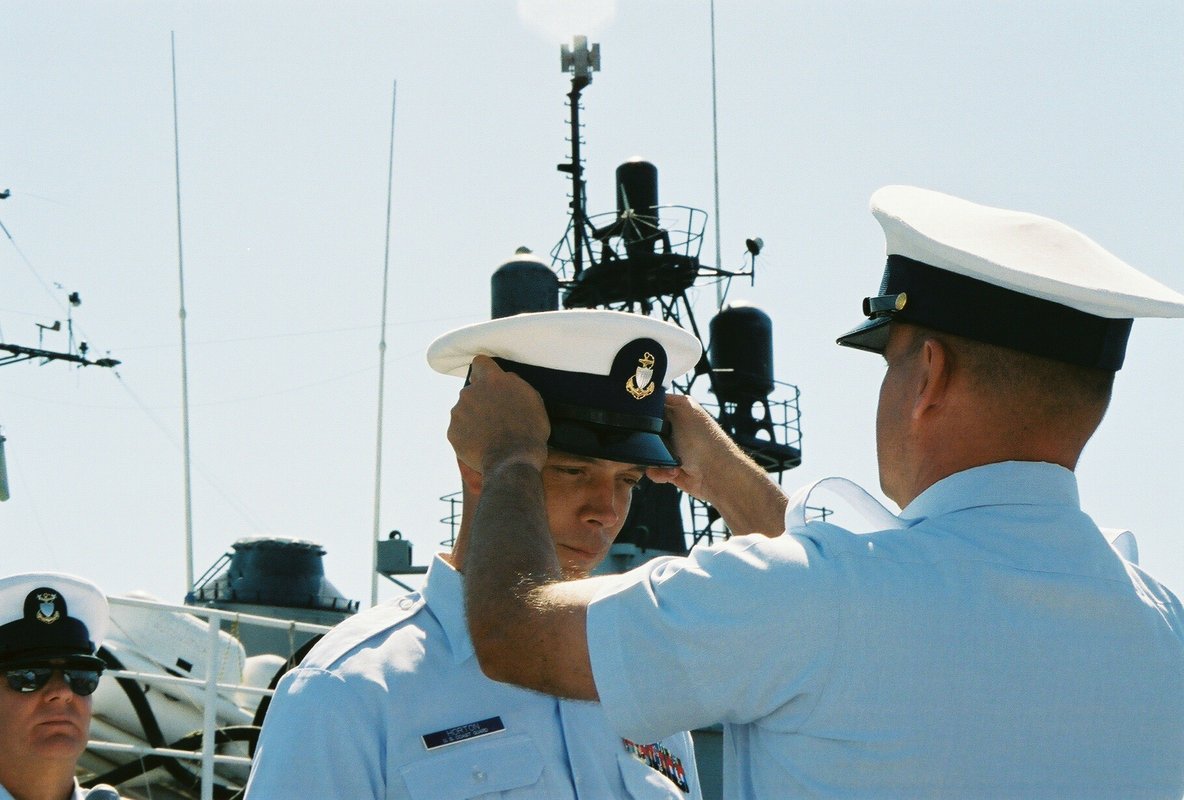


I had SrA, TSgt, MSgt, and my selection for MSgt all tacked on (CMSgts hit pretty hard :P).


 Continue with Facebook
 Continue with Google