
Posted on Aug 6, 2020

Other than Special Forces and Rangers, what are some other “high speed” and high specialty jobs in the Army?

55.9K
482
151
34
34
0
 MOS
MOS 11B: Infantryman
 Ranger School
 18X: Special Forces Candidate
 Combat
Posted >1 y ago
Responses: 80
0
0
0

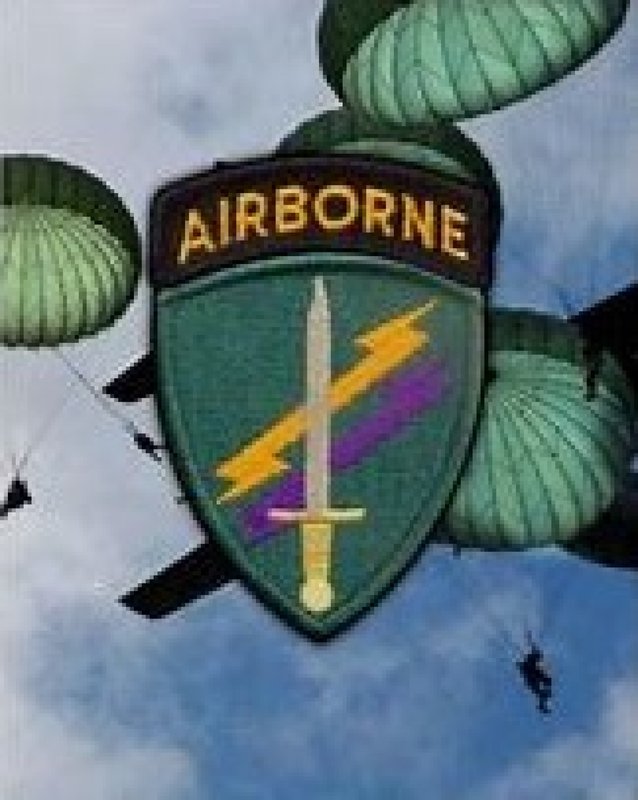
A subset of special operations is Psyops or Civil Affairs. Both have Airborne slots for both Active and Reserve Duty. On the Reserve side, there are plenty of opportunities for deployment and travel. I count my 5 years in Civil Affairs, including a deployment for OIF, among my most favorite and rewarding times of service in my 37 year Army career.
(0)
(0)
0
0
0

LRSU to me seemed high speed, at least back in the day, you had to be a master at commo, infantry of course, but more so 100% on top of your game with navigation, GPS's was just hitting the street when I was in so being able to complete brief back to even get a chance to go on a mission was important. We inserted from parachuting, repelling, trans, and auto mobiles (usually not military issue). You had to be able to call for fire, I did it live once coming from naval support. We had halo teams, I was on a water insertion team for a couple of years, we had to be able to swim a mile with our gear in under 10 minutes. Most of my time there my team did bridge and route recon. For a infantry company we had a motor pool, a commo shop and 6 black hawk helicopters assigned to us, as they showed up for formation with us in the mornings. I never experienced anything like it at Bragg. At the time I was in this unit, it was being used for drug trafficking reconnaissance.
(0)
(0)
0
0
0

0
0
0

Not to sound like a traitor, but if you want high speed, go USMC, their grunts best our grunts 9/10 almost always...
Having said that, if you still want Army, you should realize “high speed” comes in many different personalities: High Speed and By the Book = Rangers. High Speed and a sense of rebelliousness = 18X and 37X (and soon 38X, still in the works if I’m not mistaken). High Speed with a ‘Maverick’ mentality = 160th (joking, Kind of...)
In the end, it depends on the flavor you want AND the personality you have (it’ll effect where you fit in the best)...
Having said that, if you still want Army, you should realize “high speed” comes in many different personalities: High Speed and By the Book = Rangers. High Speed and a sense of rebelliousness = 18X and 37X (and soon 38X, still in the works if I’m not mistaken). High Speed with a ‘Maverick’ mentality = 160th (joking, Kind of...)
In the end, it depends on the flavor you want AND the personality you have (it’ll effect where you fit in the best)...
(0)
(0)
0
0
0
0
0
0

There is SFAB, SOAR, CIVIL AFFAIRS, PHYSOPS, SOLSE. AWG is about to close down but. Just to
Give some examples
Give some examples
(0)
(0)
0
0
0

Depends on what you want ... high tech maintenance look at biomedical equipment repairer, satcom, etc. Running around in the weeds then infantry, ranger, SF,
(0)
(0)
0
0
0

Army Security Agency now the Intelligence and Security command my job 05D radio direction finding in VietNam 65-66
(0)
(0)
0
0
0
Aside from Special Forces and Ranger Battalion, there are several ways you can prove your mettle -- physically and mentally.
You could become Jump Qualified. If anything, becoming a paratrooper is a good place to start. Jump qualification is only a skill identifier, and any Soldier in an airborne unit will be required to complete it. It is a key qualification of Special Operations, though. So, if jumping out of perfectly functioning aircraft is not for you, then Special Forces or Rangers is not a place you'll want to be, anyway.
Another option is becoming an Engineer Sapper. This is one of the tougher physical qualifications to achieve. To wear the Sapper Tab, a soldier must graduate from the Sapper Leader Course, which is a demanding 28-day leadership development course for combat engineers that reinforces critical skills and teaches advanced techniques needed across the army.
Civil Affairs qualification has become a lighter version of SF selection. Even if you do well academically and physically, the Civil Affairs community is very selective and may disqualify you for other reasons having to do with your capacity to build rapport quickly within other cultures. Many of the qualifying physical requirements for Civil Affairs stems from the need to insert Civil Affairs Teams with Special Operations units. The primary mission of Civil Affairs is to conduct civil-military operations. Civil Affairs soldiers are responsible for executing five core Civil Affairs tasks, Civil Information Management, Foreign Humanitarian Assistance, Nation Assistance, Population and Resource Control, and Support to Civil Administration.
I am sure there are others that I have not mentioned here, but others will. All this considered, there are a wide range of specialty jobs that are essential to the Army. Most of these may not be considered "high speed," but they may prove just as rewarding -- and for the most part pay the same.
I would caution you to consider other specialties that have transferable skills to the civilian job market (e.g. Electrician, Mechanic, Medic, etc.). Even if you are able to put in a full twenty or even thirty years of service and retire outright, the day will come when you will need to find a new career outside of the military. Having a full resume of skills that easily transfer over to a civilian career will mean even more than the discipline and leadership you will learn inside the military. If you pursue a Combat Arms career, you will need to devote personal time to educating yourself for other vocations.
At the end of the day, the Army is what you make it.
You could become Jump Qualified. If anything, becoming a paratrooper is a good place to start. Jump qualification is only a skill identifier, and any Soldier in an airborne unit will be required to complete it. It is a key qualification of Special Operations, though. So, if jumping out of perfectly functioning aircraft is not for you, then Special Forces or Rangers is not a place you'll want to be, anyway.
Another option is becoming an Engineer Sapper. This is one of the tougher physical qualifications to achieve. To wear the Sapper Tab, a soldier must graduate from the Sapper Leader Course, which is a demanding 28-day leadership development course for combat engineers that reinforces critical skills and teaches advanced techniques needed across the army.
Civil Affairs qualification has become a lighter version of SF selection. Even if you do well academically and physically, the Civil Affairs community is very selective and may disqualify you for other reasons having to do with your capacity to build rapport quickly within other cultures. Many of the qualifying physical requirements for Civil Affairs stems from the need to insert Civil Affairs Teams with Special Operations units. The primary mission of Civil Affairs is to conduct civil-military operations. Civil Affairs soldiers are responsible for executing five core Civil Affairs tasks, Civil Information Management, Foreign Humanitarian Assistance, Nation Assistance, Population and Resource Control, and Support to Civil Administration.
I am sure there are others that I have not mentioned here, but others will. All this considered, there are a wide range of specialty jobs that are essential to the Army. Most of these may not be considered "high speed," but they may prove just as rewarding -- and for the most part pay the same.
I would caution you to consider other specialties that have transferable skills to the civilian job market (e.g. Electrician, Mechanic, Medic, etc.). Even if you are able to put in a full twenty or even thirty years of service and retire outright, the day will come when you will need to find a new career outside of the military. Having a full resume of skills that easily transfer over to a civilian career will mean even more than the discipline and leadership you will learn inside the military. If you pursue a Combat Arms career, you will need to devote personal time to educating yourself for other vocations.
At the end of the day, the Army is what you make it.
(0)
(0)
0
0
0
To be rather candid: This question kinda reeks of elitism.
This is not to say there aren't particular units or MOSs that require a certain level of gumption, bravado, or competencies. Certainly SF is in its own category. But any soldier can be "high speed" in their field, and there are plenty of "normal" Army units that exceed their standards or are able to execute their missions that well exceed expectations.
I have worked with some very intelligent and incredible colleagues that are not combat arms, SF, or SOCOM, but are amongst the most competent soldiers in the Army. Rather than focus on the prodigy of a unit, focus on how you can actually be a better soldier.
This is not to say there aren't particular units or MOSs that require a certain level of gumption, bravado, or competencies. Certainly SF is in its own category. But any soldier can be "high speed" in their field, and there are plenty of "normal" Army units that exceed their standards or are able to execute their missions that well exceed expectations.
I have worked with some very intelligent and incredible colleagues that are not combat arms, SF, or SOCOM, but are amongst the most competent soldiers in the Army. Rather than focus on the prodigy of a unit, focus on how you can actually be a better soldier.
(0)
(0)
Read This Next


 Continue with Facebook
 Continue with Google