

 Employment
 Jobs
Jobs Transition
 Help
Help

Use your benefits, GI Bill, Veteran Retraining, disability... Use them, it makes a difference.
It is a different culture, use that cultural sensitivity training until you know the new left and right limits.
Service Values apply in the civilian world and take a little time to add humility to the list.

One of the biggest items that helped me to transition was to pay off all
bills prior to exiting.
-A big problem I see with most Veterans is their RESUME. I have reviewed
resumes from O-6 on down and they write as if they are in the military, civilianize
it.
-Another area of concern is focus, I have heard many times when I ask this
question, What type of job do you want to do? "I don't
know............" Know what you want and scale it down to 15 seconds,
elevator speech.
-Don't underestimate the power of networking, 85% of jobs are found through
someone you know or meet.
-Go to a job fair not looking for a job. ??? WHAT? Type up some resumes visit different
industries at the job fair, ask them about their company. You are researching.
Then ask them if they have a moment to look at your resume and make some
suggestions. Let them write on the resume or you write what they tell you.
Thank Them and don’t try and justify or dispute them, say thank you. Go home
make the corrections and apply online.

Set realistic goals.
Be a self starter.
Keep the high expectations and fantasy island what ifs quiet.
Set limits and boundaries on what you like and dislike, be readable to others.
Attitude check. Keep a positive energy field.
Get up for Early Motivation on Mondays. Civilians are energized on Monday mornings so be cautious.
Do not go into a situation where you demonstrate a chip on your shoulder, just because you are a veteran. You are in their, civilian, work environment neck of the woods.
Be prepared to defend your skills, knowledge's and abilities and/or education.
Demonstrate a personal passion for those skills you bring to the table.
Be humble learn.
Maintain your health
Get used to your name. Joe Smith versus Sgt or Captain Smith.
Or let the civilians create a nick name for you.
Stay up on your current events.

http://www.navoba.com/resources-for-veteran-owned-businesses/
2nd best 2 resources I can share
The 1st: Pray, Plan, Do, Act Trust in the LORD with all your heart, and do not rely on your own understanding; Proverbs 3:5
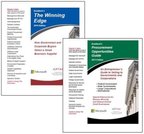
Help for Government Contracting - APTAC - Association of Procurement Technical Assistance Centers...
Procurement Technical Assistance Centers (PTACs) provide expert Government Contracting help at little or no charge, through training, one-on-one counseling,

Research the various opportunities that are available and find out which ones are a match for your particular set of skills and expertise.
Make sure that your resume is "civilian sector friendly". Your TAP should be able to assist there.
Get in some interview practice when possible. You can have an awesome resume and blow it during the interview phase. You want to get comfortable in that type of environment and with answering "behavioral interview" questions, so practice, practice, practice.
Use social media to network and make connections, I.e Facebook, Twitter, LinkedIn, etc. It will help you a lot.
Use other resources such as the DVOP and LVER at your local Work Force Centers. It is their job to help Vets find employment. USE THEM!!!
Hope that this helps.
Rod Cross
Recruiter
Waste Management
[login to see]


Also, before you transition, get assistance if necessary, in completing a resume that suits your talent(s). They also have online resume building sites. You can take your time and make sure you have sufficient information for you talents, identified.


 Continue with Facebook
 Continue with Google