

Posted on Jul 3, 2025

Don’t keep that near-miss – or repeated - blast off your medical record

1.46M
354
72
103
103
0
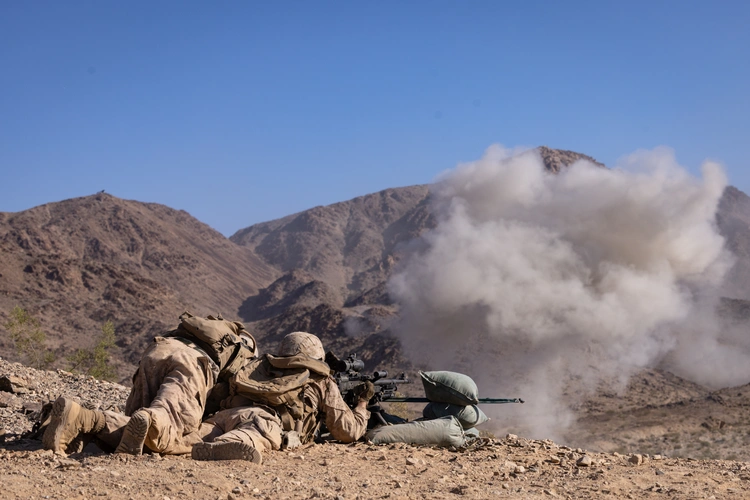
Have you ever been on a patrol where you took mortar or RPG fire, or maybe an IED-blast – but no shrapnel – and just continued mission like it was another day on the job?
What about time spent at the range or a shoot house with lots of high caliber rounds or other explosives detonating near you?
I did all of the above… and my first thoughts were, “it’s not that big of a deal. I don’t want to see the medics and leave my guys behind.” I never gave a second thought to go get these things noted in my medical record.
Pride and inexperience can be a dangerous thing for “future you.”
It turns out that our brains don’t forget as many things as we seem to [citation: https://rly.pt/ScienceDirect].
I’ve been out of the military for a while now and I deal with sleep and other issues that may have come from these past incidents.
If this sounds similar to your experiences, some other symptoms you may want to look for include unexplained vision, balance, hearing, headaches, memory issues, emotional challenges, or incidents losing your temper with your team, family, or friends.
If you are still actively serving in the military, make sure you raise your concerns to your doctor and mention the concussive events so they are documented in your medical records. If you don’t want to bring it up now because you are not sure if you really have these symptoms and don’t want it to keep you from your next promotion, I get it. Just make sure you have these issues documented the moment you drop your papers to end your military service.
That single piece of documentation – made while you are still serving – will be key for the VA to determine benefits and treatment available to you later in life.
If you, like me, are already out of service, and you didn’t have anything documented and are looking for a path forward, then go talk to your doctor. If your doc is not at the VA, consider getting VA care as their docs see a lot more brain trauma patients than most of their civilian counterparts: https://rly.pt/VAapply.
Also, for many reasons (see my last post here: https://rly.pt/ReactToContact), stay in touch with those who served with you. It can be their eyewitness accounts of things you experienced together that can help you if you don’t have the things I mentioned above documented to get the benefits you have earned.
What about time spent at the range or a shoot house with lots of high caliber rounds or other explosives detonating near you?
I did all of the above… and my first thoughts were, “it’s not that big of a deal. I don’t want to see the medics and leave my guys behind.” I never gave a second thought to go get these things noted in my medical record.
Pride and inexperience can be a dangerous thing for “future you.”
It turns out that our brains don’t forget as many things as we seem to [citation: https://rly.pt/ScienceDirect].
I’ve been out of the military for a while now and I deal with sleep and other issues that may have come from these past incidents.
If this sounds similar to your experiences, some other symptoms you may want to look for include unexplained vision, balance, hearing, headaches, memory issues, emotional challenges, or incidents losing your temper with your team, family, or friends.
If you are still actively serving in the military, make sure you raise your concerns to your doctor and mention the concussive events so they are documented in your medical records. If you don’t want to bring it up now because you are not sure if you really have these symptoms and don’t want it to keep you from your next promotion, I get it. Just make sure you have these issues documented the moment you drop your papers to end your military service.
That single piece of documentation – made while you are still serving – will be key for the VA to determine benefits and treatment available to you later in life.
If you, like me, are already out of service, and you didn’t have anything documented and are looking for a path forward, then go talk to your doctor. If your doc is not at the VA, consider getting VA care as their docs see a lot more brain trauma patients than most of their civilian counterparts: https://rly.pt/VAapply.
Also, for many reasons (see my last post here: https://rly.pt/ReactToContact), stay in touch with those who served with you. It can be their eyewitness accounts of things you experienced together that can help you if you don’t have the things I mentioned above documented to get the benefits you have earned.
Posted in these groups:  Department of Veterans Affairs (VA)
 TBI
TBI Medal of Honor
 DisabilityMedically Unexplained Symptoms (MUS)
Department of Veterans Affairs (VA) TBI Medal of Honor DisabilityMedically Unexplained Symptoms (MUS)
Posted 6 mo ago
Responses: 52
5
5
0

5
5
0

The issue that I encountered was that I was the only medic on scene when I was blown up back in Iraq nearly 20 years ago. No PH due to no visible external injuries, no one evaluated me in the days after the blast, but I had a concussion and brutal headache that lingered a few weeks after that blast.
Took VA about 3.5 years to recognize the TBI and place it in my records even though the blast was documented during my post-deployment physical. I experience a lot of those symptoms mentioned nowadays. It's not fun.
Took VA about 3.5 years to recognize the TBI and place it in my records even though the blast was documented during my post-deployment physical. I experience a lot of those symptoms mentioned nowadays. It's not fun.
(5)
(0)
SFC Jimmy Arocho
It is good that you are home now. If the HBOT research is of any interest to you, Chief Roberts, allow me to suggest you send Dr Bested an email requesting to be put on a waiting list for possible future HBOT research. Alison C. Bested MD FRCPC
Diplomate, American Board of Integrative Medicine
Director, Hyperbaric Medicine
Associate Professor, Department of Internal Medicine
Dr. Kiran C. Patel College of Osteopathic Medicine
Center for Collaborative Research, Suite 405
Nova Southeastern University
3300 South University Drive
Fort Lauderdale, FL, 33328-2004
Phone: [login to see]
Email: [login to see]
Diplomate, American Board of Integrative Medicine
Director, Hyperbaric Medicine
Associate Professor, Department of Internal Medicine
Dr. Kiran C. Patel College of Osteopathic Medicine
Center for Collaborative Research, Suite 405
Nova Southeastern University
3300 South University Drive
Fort Lauderdale, FL, 33328-2004
Phone: [login to see]
Email: [login to see]
(2)
(0)
5
5
0

Absolutely agree with you especially on something you said-getting things documented in your file is everything.
When it comes to getting care or VA benefits later on, if it’s not in your file, it’s like it never happened. The VA puts a lot of weight on service medical records. If there’s no mention of the, symptoms, or issues while you were still in uniform, it becomes a lot harder to prove that what you're dealing with now is service connected. That one quick visit to medical, that note in your record, or even just telling your doc about what happened it can make a difference later.
Now, I get it, there’s always that fear that going to medical might hurt the career. And in some cases, it could have an impact but here’s the truth, if something is affecting your body or your mind, it’s already affecting your performance, whether it’s documented or not. You might be protecting your current role by staying quiet, but you're putting your future self ,your health, benefits at risk.
Personally ,I think just put it on record. It doesn’t hurt the file to have that documentation; it only helps. Think of it as a safety net. Whether you’re filing a claim or just need care later, that paper trail is gold.
When it comes to getting care or VA benefits later on, if it’s not in your file, it’s like it never happened. The VA puts a lot of weight on service medical records. If there’s no mention of the, symptoms, or issues while you were still in uniform, it becomes a lot harder to prove that what you're dealing with now is service connected. That one quick visit to medical, that note in your record, or even just telling your doc about what happened it can make a difference later.
Now, I get it, there’s always that fear that going to medical might hurt the career. And in some cases, it could have an impact but here’s the truth, if something is affecting your body or your mind, it’s already affecting your performance, whether it’s documented or not. You might be protecting your current role by staying quiet, but you're putting your future self ,your health, benefits at risk.
Personally ,I think just put it on record. It doesn’t hurt the file to have that documentation; it only helps. Think of it as a safety net. Whether you’re filing a claim or just need care later, that paper trail is gold.
(5)
(0)
SFC Jimmy Arocho
I agree, the documentation of health related concerns is essential for life longevity. Great post Ms. Johnson.
(2)
(0)
4
4
0

Well that's just a kick in the teeth, to find out 55 years later this condition even exists! That must be a joke, Documentation? Man, I could write a book of every incident of getting my bell rung during Vietnam. following a APC that hit a road mine came to later, bell rung, medic: you're ok? just shake it off! Ears rang for 2 days. dang! No computer in the bush, better yet no such thing as, only made a document (pencil and paper) if dust off / hospital was involved. Live action, fired a law in prone, left ear drum busted, deaf as a post for a week, oh but medic supplied cotton balls to stuff in ear. Later field aid station DR ? reply : " Don't worry it will heal itself in a few weeks", where's the documentation? On a note pad!. Lost my hearing in that ear 45 years later, but the computer was down. (joke). Eyewitnesses? Was in a vehicle bumming a ride to base camp, have no clue who with. There goes that documentation. Ever been 50 ft directly in front of a 175mm while in a perimeter bunker all night, several times? Once injured by incoming rounds required hospital treatment, Drs made note in my file to allow for a profile "no prolonged sitting, standing , running or walking" till ETS 6 months later. Returned to US, required to have exam by VAMC in Memphis to access my disability, examination DR response was," I was deformed", I asked if deformed how the hell was I inducted into the military? That's just a brief tale of my 45 year battle with the VA to get help. Not to mention eye injury in VN and later blind in one eye, Sorry, we don't have the required documentation for that, must have lost that record on the medic's note pad. Oh! Forgot, The first 5 years after I ETS, was treated at the VAMC Hospital in Memphis, averaged 3-4 <> visits per month, 10 years later due to worsening symptoms, vision, skin rot from Agent Orange, (5 documented areas exposed to AO during operation Ranch Hand), with the help of Congressman Pat Williams (1989) discovered all records, documentations of the prior treatments At the VAMC Hospital were DESTROYED. RE: BS, Director testified before Congressional Hearing on my behalf, "That was their Policy after 5 years of no contact with the Veteran to destroy their records". Duh... moved to another state, another VAMC care. At 77, still gets me going on the subject. Presently, still fighting the system. Good luck.
(4)
(0)
4
4
0
Great information for the combat types of the newer generation.
Those of us (getting fewer by the day) of the Viet Nam war, are getting this a bit late.
Concussive events were just something that came with the job. No one thought that a crash and burn jump that knocked you out for a couple of minutes was an event worth noting if you came to and got up. Firing six to eight hundred rounds from your M-60 in a fire-fight, or a claymore incorrectly set up that busted your ear drum in an ambush and stung your body all over, was not an issue, especially since you could still move and be affective. Totally different mind set back in the day....
Those of us (getting fewer by the day) of the Viet Nam war, are getting this a bit late.
Concussive events were just something that came with the job. No one thought that a crash and burn jump that knocked you out for a couple of minutes was an event worth noting if you came to and got up. Firing six to eight hundred rounds from your M-60 in a fire-fight, or a claymore incorrectly set up that busted your ear drum in an ambush and stung your body all over, was not an issue, especially since you could still move and be affective. Totally different mind set back in the day....
(4)
(0)
SFC Lyle Green
Man Oh man! Your description of what you experienced is soooooo point on! Years ago my father, a WWII Veteran i.e. June 6, 1944 (many have no clue of that insignificant event) he brought up the matter of after WWI of ignored wounded, disabled vets being so ignored and abused that they marched and gathered in protest in WA. DC, so many angry attended, got out of control and then the Late great hero of WW1 Gen Pershing ordered OPEN FIRE on the protesters, don't know the actual # of causalities, but a perfect example of the disgusting disgrace of the Government to the veterans. Always their attitude towards Veterans of combat, yet never so much as we of the VN fiasco: When we have been used, disabled, hurting while serving their requirements of war and agendas, they no longer have any use for us, so go away "be a man" work out your own problems, leave us alone we have bigger fish to fry."
(2)
(0)
SFC William Phillips
If one studies the VA's approach to combat PTSD for the Nam trigger pullers, you will discover a deliberate attempt to get out from under accountability. The " six months or less of one's ETS date", they sent you home. Out of the military, out of their minds. There was plenty of evidence that within six months of DEROS, PTSD started to show it's ugly heads.
From the last combat action to standing back in the world, was just a little over 28 hours for me.
Funny story. I have been having real bad hearing issues for the last 15 years. My wife told me that I could no longer use the TV remote because I had to have the volume up so high.
I went to the VA clinic and requested a hearing test. Eight weeks later I received approval. An approval for a colonoscopy! I went back to the clinic, and with a full waiting room told the receptionist that the VA had solved my hearing problem! I told her in a rather loud voice," they approved a colonoscopy procedure. I didn't know the VA could diagnose me from over 400 miles away but they did. That my hearing improved because I pulled my head out of my ass for even going to the VA"
Don't get me wrong. I am not a fan of the VA agency, not the dedicated people who really do care about the vets who use their services. It is that my numerous experiences have been more negative than positive. Nuff- said.
From the last combat action to standing back in the world, was just a little over 28 hours for me.
Funny story. I have been having real bad hearing issues for the last 15 years. My wife told me that I could no longer use the TV remote because I had to have the volume up so high.
I went to the VA clinic and requested a hearing test. Eight weeks later I received approval. An approval for a colonoscopy! I went back to the clinic, and with a full waiting room told the receptionist that the VA had solved my hearing problem! I told her in a rather loud voice," they approved a colonoscopy procedure. I didn't know the VA could diagnose me from over 400 miles away but they did. That my hearing improved because I pulled my head out of my ass for even going to the VA"
Don't get me wrong. I am not a fan of the VA agency, not the dedicated people who really do care about the vets who use their services. It is that my numerous experiences have been more negative than positive. Nuff- said.
(2)
(0)
SFC Lyle Green
SFC William Phillips - Not to mention the hell I experienced for over 13 years. Prior to the 80s <> PTSD was never mentioned, treated, nor recognized as a disability. Best of my memory. Then after thousands of suicides, VN vets' violent reactions to VA facilities, homelessness, divorces, domestic violence, arrests, incarcerations, unemployment due to social opinions from media reports of being deranged psychopaths. murderers of innocents, thus the VA was forced to recognize the issue of effects of PTSD. Then Vet Centers started popping up all over the country. The VAMC Hospital Administrator in Ft. Harrison, MT., when interviewed by the media concerning PTSD said " Only Boy Scouts claim to have the problem with this PTSD, real men learn to live with it". As untold thousands of returning ground pounder humps were actually rotting away, massive skin disorders, lumps, ozzzing sores, rotting feet, etc. were left to grin and bear it untill 1982. When the VA was forced via civilians successful granted lawsuits against Monsanto, Dow chemical giants, for the horrible side effects of "Dixon" known as Agent Orange Defoliant spray throughout VN. Over 16 different cancers, miscarriages, birth defects, diabetics, liver disorders, vision problems, mental disorders and a laundry list of other proven harmful side effects of AO. For over 15 years the VAMC were directed by WA to never mention any disorder from AO. Like you here at 77 years old, blind in one eye and losing my good eye, deaf, diabetic, liver disorder, partial paralyzed in one leg, feet continue to have sores, rash, etc. As I mentioned once here, Back in the 10 years attending the VAMCs after I returned from Vietnam, the saying was " If you went to the VAMC hospital with one leg missing, by the time you left they, the Drs. would attempt to convince you, you actually had 2 legs". Sorry for the Rant, this subject still gets to me.
(2)
(0)
SFC William Phillips
SFC Lyle Green - Lyle, the first lesson I learned when overwhelmed (deaths of friends, stupid orders from instant nickels, or butter bar officers, or ticket puncher types) was to continue to say to myself, "Don't mean shit"..... What I didn't realize was that I was "stuffing" that shit somewhere in my brain. When I got back to the world, I found I had a lot more stuffing to do, because I was over-sensitized to life and death decisions. Decisions that in the civilian world came, nowhere close to carrying the weight of combat.
When those little PTSD events started to pop out, I redoubled the stuffing, now called denial.
My old man was a lifer. Started in the navy at 17 in 1934, and went all the way up to 27 years of service. He was in Pearl Harbor on the 7 of December, 1941. Did the Coral Sea, and the island hopping all the way to Japan. Hard core, and hard nosed.
He had a hell of a time with me when I had PTSD events. He considered me weak, so I considered myself weak. I kept trying to "stuff" the stuff. I made it 18 years until one event caused a really destructive set of events. The end result was my decision to cure myself, suicide.
A guy I knew noticed my operation decline and contacted the VA. I was involuntarily put into the VA facility at Fort Meade South Dakota. Spent nine months in that place. When I came out, I was losing my job, losing my family. Eventually I lost my family, and conditionally kept my job.
All I am saying here is not a "boo-hoo" for Bill, but the reality that my life would, with out a doubt, been different in a damned good way if only the VA and the government would have done the right thing in the first place..
How many lives (besides the vet's) would have not been so negatively affected, wives, children, parents, siblings, suicides, homeless, etc, if the agency would have Airborned-up and done the right thing?
No apology for the rant. Any vet can rant on my page. It's is not only good for me, it's good for anyone. Keeps the stuffing in the turkey and not in the head.
Thanks brother.
When those little PTSD events started to pop out, I redoubled the stuffing, now called denial.
My old man was a lifer. Started in the navy at 17 in 1934, and went all the way up to 27 years of service. He was in Pearl Harbor on the 7 of December, 1941. Did the Coral Sea, and the island hopping all the way to Japan. Hard core, and hard nosed.
He had a hell of a time with me when I had PTSD events. He considered me weak, so I considered myself weak. I kept trying to "stuff" the stuff. I made it 18 years until one event caused a really destructive set of events. The end result was my decision to cure myself, suicide.
A guy I knew noticed my operation decline and contacted the VA. I was involuntarily put into the VA facility at Fort Meade South Dakota. Spent nine months in that place. When I came out, I was losing my job, losing my family. Eventually I lost my family, and conditionally kept my job.
All I am saying here is not a "boo-hoo" for Bill, but the reality that my life would, with out a doubt, been different in a damned good way if only the VA and the government would have done the right thing in the first place..
How many lives (besides the vet's) would have not been so negatively affected, wives, children, parents, siblings, suicides, homeless, etc, if the agency would have Airborned-up and done the right thing?
No apology for the rant. Any vet can rant on my page. It's is not only good for me, it's good for anyone. Keeps the stuffing in the turkey and not in the head.
Thanks brother.
(1)
(0)
4
4
0

I was exposed to a fair amount of concussive force in the early 80's "Peacetime Army". Firing the 90mm recoiless rifle was eye opening to the power of concussive force. Anyone wearing a watch while firing it from a bunker ended up with a watch with the crystal blown off.
Then there were trips to the demo range. Our training was also heavily tilted to urban warfare. Our urban warfare training site was concrete buildings. Any training explosives used inside magnified the noise and concussion from them. Then going training in the West stood next to tanks firing on the range.
I kind of laugh at calling anytime post WW2 "peacetime". The early 80's were pretty active militarily and terror attacks on military bases and military members was very much in vogue. If you look at the in service fatality rates from the early eighties they are as bad as the worst years of post 911 war on terror figures.
Then there were trips to the demo range. Our training was also heavily tilted to urban warfare. Our urban warfare training site was concrete buildings. Any training explosives used inside magnified the noise and concussion from them. Then going training in the West stood next to tanks firing on the range.
I kind of laugh at calling anytime post WW2 "peacetime". The early 80's were pretty active militarily and terror attacks on military bases and military members was very much in vogue. If you look at the in service fatality rates from the early eighties they are as bad as the worst years of post 911 war on terror figures.
(4)
(0)
4
4
0

3
3
0
I definitely know what you mean. I had a severe TBI in the service. It was severe enough that I spent 3 days in ICU and another week in the hospital. While there I had a seizure severe enough that it stopped my heart. So mine was documented but I didn't get a copy of my medical records. A few years after my separation I had a minor headache injury. Not even hard enough to be hospitalized but I started having seizures daily. When I filed for my VA Disability they kept saying that my records burned in the fire of 1976 that destroyed a lot of military records. When I pointed out the facts that I was born in 1965 and was only 11 in 1976 and hadn't signed up until 1984 they said they didn't care. So I fought with them for 20 years before I could get my disability. We lost everything. We had to move in with family and the VA still didn't care. So I recommend for everyone to get a copy of your records especially your medical records before you are discharged!
(3)
(0)
3
3
0

Been fighting the VA for this for 25+ years, and they still just tell me no... I'm tired of it, and just quit trying.
(3)
(0)
Read This Next


 Continue with Facebook
 Continue with Google