

Posted on Jan 26, 2023

What can the DOD do to overcome its recruitment challenges?

137K
435
160
132
132
0
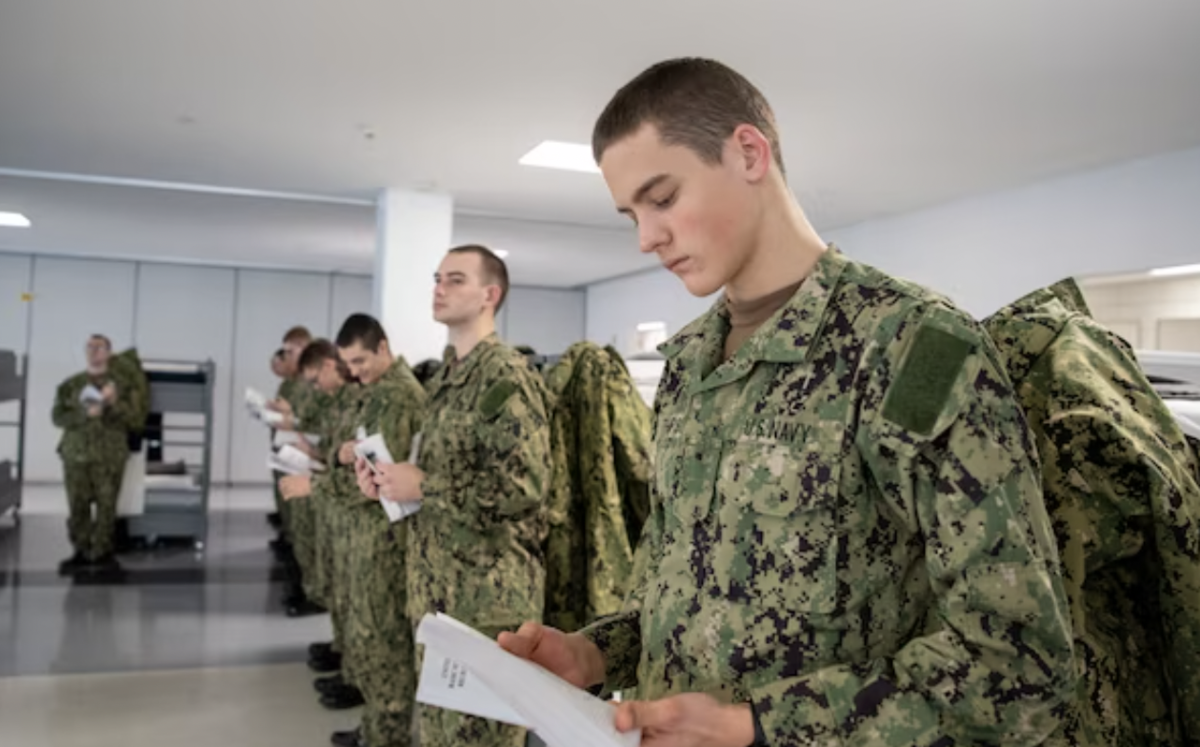
Most agree that the All-Volunteer Force (AVF) is facing historic and possibly unprecedented recruiting challenges. As the AVF turns 50 this July, military and congressional leaders are diagnosing the contributing causes and producing strategies to address them.
Sen. Kirsten Gillibrand, Democrat of New York, summarized the problem last fall at an oversight hearing she chaired as head of the Senate Armed Services Subcommittee on Personnel.
“By the end of 2022, the active U.S. military will be at its smallest size since the creation of the All-Volunteer Force for which we mark the 50th anniversary next year,” Gillibrand said in opening the Sept. 21 hearing, where service branch officials testified. “All four military services here today have signaled significant concerns about the strength of their recruiting operations and their prospects for success in 2023.”
Why is this the case? Department of Defense (DOD) officials and lawmakers debated some reasons and solutions at December’s Reagan National Defense Forum. The Washington, D.C., event featured comments from:
Gen. David Berger, commandant of the U.S. Marine Corps.
Gilbert Cisneros, under secretary of defense for Personnel and Readiness.
Sen. Tammy Duckworth, Democrat of Illinois and an Army reserves Veteran.
Rep. Mike Gallagher, Republican of Wisconsin and a Marine Corps Veteran.
Youth less interested in military service
Observers cite the lower interest among young people to serve in the military as one reason for the recruiting deficiencies.
The fifth annual National Defense Survey, which the Ronald Reagan Presidential Foundation and Institute released in late December 2022, found that just 13% of 18- to 29-year-olds are “highly willing” to join the military, 25% are somewhat willing, 20% are not very willing, and about 26% are not willing at all. These and other results are based on interviews of 2,500 Americans conducted Nov. 9-17, 2022.
Trust in the military down
Fewer Americans say they have faith in the military, the Reagan institute survey also found. Just 48% of surveyed respondents said they had a great deal of trust in the military, compared with 70% who said that four years ago. Majorities said they had less confidence in the performance and competence of commanders-in-chief and the civilian military leadership. Other pollsters such as Gallup have found similar erosions in trust in the military.
The military needs to be creative in addressing these and other structural issues driving shortfalls in recruiting, Berger said at the forum and in an article for the U.S. Naval Institute published in November. This includes a long-term decline in the pool of service-eligible Americans who meet physical fitness and health requirements and who can pass the ASVAB, the Armed Services Vocational Aptitude Battery test.
All of this is occurring in a society that’s more distant from the military, with fewer Americans having familial or community connections to military culture and careers, Berger wrote.
Negative news about an institution that Americans are less familiar with only saps confidence further, he said.
“If the only thing you know about (the military) is what you see on the news, it may not be good,” Berger said at the forum. In his article, he said other factors that have harmed public trust include the character of withdrawal from Afghanistan, military scandals, reports of military sexual assault, and a sense that military skills aren’t relevant to private-sector success.
Some of these perceptions can be shifted, especially now that recruiters can go back to meeting one-on-one with young people at schools, on campuses and in offices. But the old recruiter’s playbook won’t work, Berger and other panelists argued.
Service appeals that resonate with a new generation
Reversing trends in youths’ willingness to serve requires new recruiting strategies and messages that appeal to Generation Z, a cohort that Pew Research Center defines as those born between 1997-2012.
“Simply increasing the advertising budget to amplify existing narratives is unlikely to be effective in the future,” Berger wrote. “The services need new narratives and new vehicles for communicating those narratives.”
One way the military can break through to this generation is to showcase the benefits of military service. “We talk about service and what it does for the country,” Berger said, but less about “what it does for the individual.”
The military can do a better job communicating how even a few years of service can build skills that last a lifetime, he said. And it can demonstrate that service increases a person’s currency in the civilian job market.
Employers want to hire former service members, Berger said, because they know “they’re better citizens, they’re better employees.”
Duckworth said it’s also important to reach the parents of Gen Z, highlighting how service is a viable career path: Their kids “gain lots of experiences” in the military and “they’re going to be ahead of their peers when they come out in terms of a job.”
“That,” she said, is something “I don’t think we’re doing a good job of messaging to the American people.”
The senator noted that most people can understand how an Air Force pilot or medic has a path to a post-military career in aviation or health care. But the public may be less aware of other stepping stones that military service can provide.
Cisneros echoed this, arguing that potential recruits should know that the military can train them for other high-demand and well-paying jobs, including in trades such as in HVAC.
Make the AVF more permeable
The military needs to change how it operates to encourage more people to serve. Berger said it should be “easier to move between active duty and reserve in the civilian sector.”
“We have to make it a much more permeable All-Volunteer Force than we have (had) in the past,” he said. “People should be able to step out for two or three or four years, come back in.”
This would familiarize more people with the military, furthering heightening interest in service, he said.
Other ideas to boost recruiting
Other ideas for improving recruitment mentioned by panelists and in the article included:
Allowing the military to tap private-sector talent without requiring a full-fledged service commitment.
Replicating an Army “pre-boot-camp”-type pilot program that’s preparing young people physically and academically for military service.
Creating more opportunities for women and people of diverse backgrounds to succeed in the military.
Taking better care of service personnel and families by addressing food insecurity and other military quality-of-life issues.
Reforming leave policies to make it easier for women to serve.
Making sure the lower ranks can bring forth policy-change ideas.
Addressing generational gaps in recruitment planning so that strategies keep pace with social change and are relevant to the next generation of service members.
Learn more
Watch the forum discussion: https://www.reaganfoundation.org/reagan-institute/programs/reagan-national-defense-forum/rndf-2022
Read Berger’s piece: https://www.usni.org/magazines/proceedings/2022/november/recruiting-requires-bold-changes
Watch the Senate hearing: https://www.armed-services.senate.gov/hearings/to-receive-testimony-on-the-status-of-military-recruiting-and-retention-efforts-across-the-department-of-defense
Sen. Kirsten Gillibrand, Democrat of New York, summarized the problem last fall at an oversight hearing she chaired as head of the Senate Armed Services Subcommittee on Personnel.
“By the end of 2022, the active U.S. military will be at its smallest size since the creation of the All-Volunteer Force for which we mark the 50th anniversary next year,” Gillibrand said in opening the Sept. 21 hearing, where service branch officials testified. “All four military services here today have signaled significant concerns about the strength of their recruiting operations and their prospects for success in 2023.”
Why is this the case? Department of Defense (DOD) officials and lawmakers debated some reasons and solutions at December’s Reagan National Defense Forum. The Washington, D.C., event featured comments from:
Gen. David Berger, commandant of the U.S. Marine Corps.
Gilbert Cisneros, under secretary of defense for Personnel and Readiness.
Sen. Tammy Duckworth, Democrat of Illinois and an Army reserves Veteran.
Rep. Mike Gallagher, Republican of Wisconsin and a Marine Corps Veteran.
Youth less interested in military service
Observers cite the lower interest among young people to serve in the military as one reason for the recruiting deficiencies.
The fifth annual National Defense Survey, which the Ronald Reagan Presidential Foundation and Institute released in late December 2022, found that just 13% of 18- to 29-year-olds are “highly willing” to join the military, 25% are somewhat willing, 20% are not very willing, and about 26% are not willing at all. These and other results are based on interviews of 2,500 Americans conducted Nov. 9-17, 2022.
Trust in the military down
Fewer Americans say they have faith in the military, the Reagan institute survey also found. Just 48% of surveyed respondents said they had a great deal of trust in the military, compared with 70% who said that four years ago. Majorities said they had less confidence in the performance and competence of commanders-in-chief and the civilian military leadership. Other pollsters such as Gallup have found similar erosions in trust in the military.
The military needs to be creative in addressing these and other structural issues driving shortfalls in recruiting, Berger said at the forum and in an article for the U.S. Naval Institute published in November. This includes a long-term decline in the pool of service-eligible Americans who meet physical fitness and health requirements and who can pass the ASVAB, the Armed Services Vocational Aptitude Battery test.
All of this is occurring in a society that’s more distant from the military, with fewer Americans having familial or community connections to military culture and careers, Berger wrote.
Negative news about an institution that Americans are less familiar with only saps confidence further, he said.
“If the only thing you know about (the military) is what you see on the news, it may not be good,” Berger said at the forum. In his article, he said other factors that have harmed public trust include the character of withdrawal from Afghanistan, military scandals, reports of military sexual assault, and a sense that military skills aren’t relevant to private-sector success.
Some of these perceptions can be shifted, especially now that recruiters can go back to meeting one-on-one with young people at schools, on campuses and in offices. But the old recruiter’s playbook won’t work, Berger and other panelists argued.
Service appeals that resonate with a new generation
Reversing trends in youths’ willingness to serve requires new recruiting strategies and messages that appeal to Generation Z, a cohort that Pew Research Center defines as those born between 1997-2012.
“Simply increasing the advertising budget to amplify existing narratives is unlikely to be effective in the future,” Berger wrote. “The services need new narratives and new vehicles for communicating those narratives.”
One way the military can break through to this generation is to showcase the benefits of military service. “We talk about service and what it does for the country,” Berger said, but less about “what it does for the individual.”
The military can do a better job communicating how even a few years of service can build skills that last a lifetime, he said. And it can demonstrate that service increases a person’s currency in the civilian job market.
Employers want to hire former service members, Berger said, because they know “they’re better citizens, they’re better employees.”
Duckworth said it’s also important to reach the parents of Gen Z, highlighting how service is a viable career path: Their kids “gain lots of experiences” in the military and “they’re going to be ahead of their peers when they come out in terms of a job.”
“That,” she said, is something “I don’t think we’re doing a good job of messaging to the American people.”
The senator noted that most people can understand how an Air Force pilot or medic has a path to a post-military career in aviation or health care. But the public may be less aware of other stepping stones that military service can provide.
Cisneros echoed this, arguing that potential recruits should know that the military can train them for other high-demand and well-paying jobs, including in trades such as in HVAC.
Make the AVF more permeable
The military needs to change how it operates to encourage more people to serve. Berger said it should be “easier to move between active duty and reserve in the civilian sector.”
“We have to make it a much more permeable All-Volunteer Force than we have (had) in the past,” he said. “People should be able to step out for two or three or four years, come back in.”
This would familiarize more people with the military, furthering heightening interest in service, he said.
Other ideas to boost recruiting
Other ideas for improving recruitment mentioned by panelists and in the article included:
Allowing the military to tap private-sector talent without requiring a full-fledged service commitment.
Replicating an Army “pre-boot-camp”-type pilot program that’s preparing young people physically and academically for military service.
Creating more opportunities for women and people of diverse backgrounds to succeed in the military.
Taking better care of service personnel and families by addressing food insecurity and other military quality-of-life issues.
Reforming leave policies to make it easier for women to serve.
Making sure the lower ranks can bring forth policy-change ideas.
Addressing generational gaps in recruitment planning so that strategies keep pace with social change and are relevant to the next generation of service members.
Learn more
Watch the forum discussion: https://www.reaganfoundation.org/reagan-institute/programs/reagan-national-defense-forum/rndf-2022
Read Berger’s piece: https://www.usni.org/magazines/proceedings/2022/november/recruiting-requires-bold-changes
Watch the Senate hearing: https://www.armed-services.senate.gov/hearings/to-receive-testimony-on-the-status-of-military-recruiting-and-retention-efforts-across-the-department-of-defense
 DoD
DoD Recruit
 Recruiting
 Training
 United States Senate
Posted 3 y ago
Responses: 66
1
1
0

I believe these problems are a result of the gradual degradation of our society over the last 30-40 years. When I first joined in 1976, just a couple years removed from the Vietnam War, there were the same problems. At that time, weariness of the war was probably the issue. In three years of active duty, 1977-80, I never served in a full strength unit. Funding for training was almost non-existent. 12 hour duty shifts were the norm. However, the people I served with, and the population in general, were still a patriotic bunch. We loved our country, were proud of our place in the world and still trusted our government was doing the best for all it's people. Fast forward to today and a good portion of the enlistment age population doesn't love their country. They are taught, and believe in, socialist ideas contrary to our founding. There are still patriots in this age group, however, they are reluctant to join because of the direction the military is taking. There's too much emphasis on DEI, checking boxes, being woke if you will, rather than actual readiness for warfighting. This is most evident by the falloff of recruits from traditional military families, who have a long family history of service. These reasons, and the fact that 70% of enlistment age youth are not fit for military service due to physical (health, obesity, psychological issues) or moral (criminal records) reasons presents a great challenge to recruiting efforts. The solutions are not simple. It requires a complete overhaul of our society, from a standpoint of health, education, standards and most importantly, a change in the ideals of our civilian leadership. I'm sad to say that I don't believe it is possible. Once the toothpaste is out of the tube, you can't put it back in.
(1)
(0)
1
1
0

Remove "Woke" from the military mindset. Remove Sex change surgery and other BS like that from the military budget. If you don't know if you are male or female, look down the front of your pants. The Military should go back to training to win wars, not how to not offend sexually confused folks. The entire function of the military is to defend the countries interests both domestic and abroad. That should be its only purpose.
(1)
(0)
1
1
0

1
1
0

Quit brainwashing our elementary, high school and college campuses. Teach students Civics and make it mandatory. What an appropriate quote which is, "You Reap what you sow". Now look where we are at.
(1)
(0)
1
1
0

This is all good, but the bigger picture is (and I have talked to some of these kids is talk to your Congressman/Women and Senators! The way you treat Veterans doesn't reflect well on these men and women, If you constantly treat them poorly, and do not listen to them you will see a plunge in recruitment! If you treat them, Veterans better, you will see a dramatic change. I have no reason to lie to you, a shortage of recruits hurts us all!
(1)
(0)
1
1
0

Get the politics and social justice out of recruitment. Recruitment should be males and females only who are loyal citizens or green card holders who are not members of nor swear allegiance to terrorist organizations, Communist, Nazi, Neo-Nazi, or Chinese Communist organizations. Quit tampering with retirement. I though the old 20 years 50% or 30 years 75% was a good enticer.
(1)
(0)
1
1
0
Our military is run by civilians and for a good reason. With that said, those civilians like the SEC DEF, SEC NAV, SEC of the Army work with the President to implement policy.
Bottom line is if we elect a shitty government, we end up with a shitty military.
The house and senate play their roles too. Stop electing morons and there's a chance we can fix these problems.
Bottom line is if we elect a shitty government, we end up with a shitty military.
The house and senate play their roles too. Stop electing morons and there's a chance we can fix these problems.
(1)
(0)
1
1
0

Get rid of half of he flag officers. Recruit and support war fighters and get rid of all the woke crap.
(1)
(0)
1
1
0

1
1
0

Young men today have lost the concept of who they are. There was a time when a recruit entered service, he/she immediately began a process of building character and ability to accomplish any task they were assigned. Now I know that process was tough and difficult from the time you empty your pockets until the time you have graduated from basic training. Tough Sergeants; Tough Officers; at all hours of the day, pushing pushing troops to run the race and gain the recognition. Can't stand the "Whimp" "CRT Kum-by-yah attitudes today. Young people seeking to find themselves leaving military service the same lost souls they were when they joined. Egregious.
(1)
(0)
Read This Next


 Continue with Facebook
 Continue with Google