

Posted on Jan 26, 2023

What can the DOD do to overcome its recruitment challenges?

137K
435
160
132
132
0
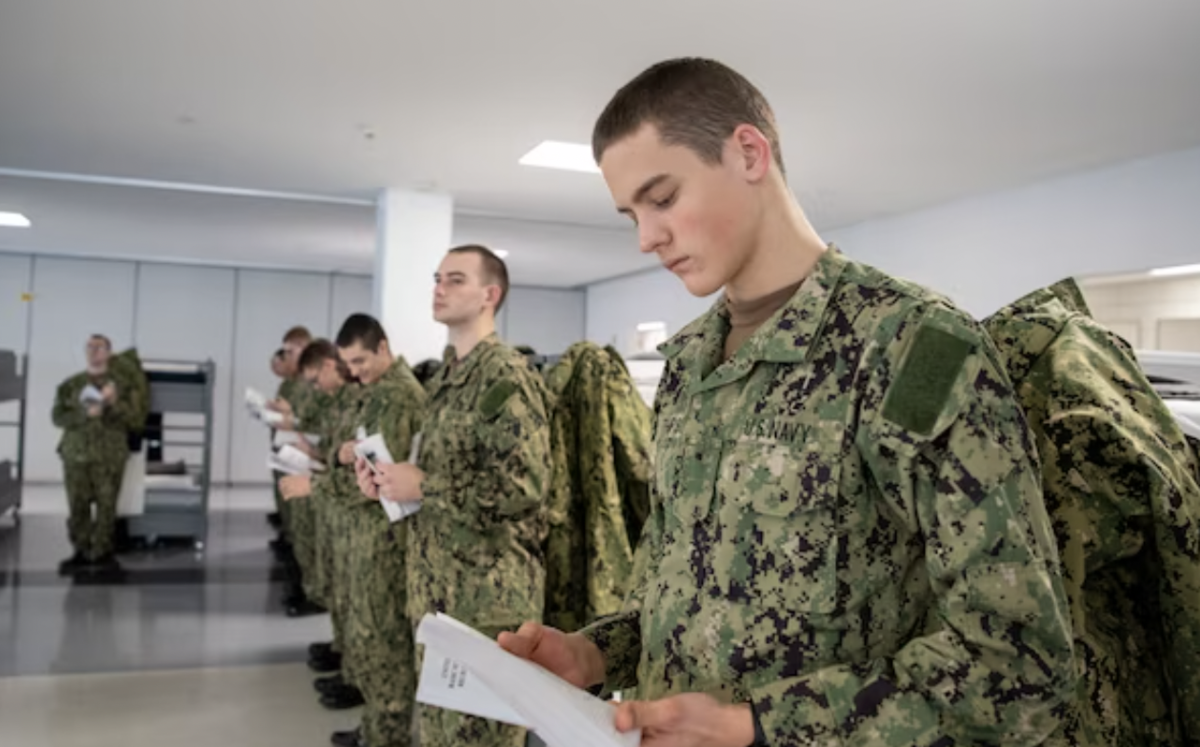
Most agree that the All-Volunteer Force (AVF) is facing historic and possibly unprecedented recruiting challenges. As the AVF turns 50 this July, military and congressional leaders are diagnosing the contributing causes and producing strategies to address them.
Sen. Kirsten Gillibrand, Democrat of New York, summarized the problem last fall at an oversight hearing she chaired as head of the Senate Armed Services Subcommittee on Personnel.
“By the end of 2022, the active U.S. military will be at its smallest size since the creation of the All-Volunteer Force for which we mark the 50th anniversary next year,” Gillibrand said in opening the Sept. 21 hearing, where service branch officials testified. “All four military services here today have signaled significant concerns about the strength of their recruiting operations and their prospects for success in 2023.”
Why is this the case? Department of Defense (DOD) officials and lawmakers debated some reasons and solutions at December’s Reagan National Defense Forum. The Washington, D.C., event featured comments from:
Gen. David Berger, commandant of the U.S. Marine Corps.
Gilbert Cisneros, under secretary of defense for Personnel and Readiness.
Sen. Tammy Duckworth, Democrat of Illinois and an Army reserves Veteran.
Rep. Mike Gallagher, Republican of Wisconsin and a Marine Corps Veteran.
Youth less interested in military service
Observers cite the lower interest among young people to serve in the military as one reason for the recruiting deficiencies.
The fifth annual National Defense Survey, which the Ronald Reagan Presidential Foundation and Institute released in late December 2022, found that just 13% of 18- to 29-year-olds are “highly willing” to join the military, 25% are somewhat willing, 20% are not very willing, and about 26% are not willing at all. These and other results are based on interviews of 2,500 Americans conducted Nov. 9-17, 2022.
Trust in the military down
Fewer Americans say they have faith in the military, the Reagan institute survey also found. Just 48% of surveyed respondents said they had a great deal of trust in the military, compared with 70% who said that four years ago. Majorities said they had less confidence in the performance and competence of commanders-in-chief and the civilian military leadership. Other pollsters such as Gallup have found similar erosions in trust in the military.
The military needs to be creative in addressing these and other structural issues driving shortfalls in recruiting, Berger said at the forum and in an article for the U.S. Naval Institute published in November. This includes a long-term decline in the pool of service-eligible Americans who meet physical fitness and health requirements and who can pass the ASVAB, the Armed Services Vocational Aptitude Battery test.
All of this is occurring in a society that’s more distant from the military, with fewer Americans having familial or community connections to military culture and careers, Berger wrote.
Negative news about an institution that Americans are less familiar with only saps confidence further, he said.
“If the only thing you know about (the military) is what you see on the news, it may not be good,” Berger said at the forum. In his article, he said other factors that have harmed public trust include the character of withdrawal from Afghanistan, military scandals, reports of military sexual assault, and a sense that military skills aren’t relevant to private-sector success.
Some of these perceptions can be shifted, especially now that recruiters can go back to meeting one-on-one with young people at schools, on campuses and in offices. But the old recruiter’s playbook won’t work, Berger and other panelists argued.
Service appeals that resonate with a new generation
Reversing trends in youths’ willingness to serve requires new recruiting strategies and messages that appeal to Generation Z, a cohort that Pew Research Center defines as those born between 1997-2012.
“Simply increasing the advertising budget to amplify existing narratives is unlikely to be effective in the future,” Berger wrote. “The services need new narratives and new vehicles for communicating those narratives.”
One way the military can break through to this generation is to showcase the benefits of military service. “We talk about service and what it does for the country,” Berger said, but less about “what it does for the individual.”
The military can do a better job communicating how even a few years of service can build skills that last a lifetime, he said. And it can demonstrate that service increases a person’s currency in the civilian job market.
Employers want to hire former service members, Berger said, because they know “they’re better citizens, they’re better employees.”
Duckworth said it’s also important to reach the parents of Gen Z, highlighting how service is a viable career path: Their kids “gain lots of experiences” in the military and “they’re going to be ahead of their peers when they come out in terms of a job.”
“That,” she said, is something “I don’t think we’re doing a good job of messaging to the American people.”
The senator noted that most people can understand how an Air Force pilot or medic has a path to a post-military career in aviation or health care. But the public may be less aware of other stepping stones that military service can provide.
Cisneros echoed this, arguing that potential recruits should know that the military can train them for other high-demand and well-paying jobs, including in trades such as in HVAC.
Make the AVF more permeable
The military needs to change how it operates to encourage more people to serve. Berger said it should be “easier to move between active duty and reserve in the civilian sector.”
“We have to make it a much more permeable All-Volunteer Force than we have (had) in the past,” he said. “People should be able to step out for two or three or four years, come back in.”
This would familiarize more people with the military, furthering heightening interest in service, he said.
Other ideas to boost recruiting
Other ideas for improving recruitment mentioned by panelists and in the article included:
Allowing the military to tap private-sector talent without requiring a full-fledged service commitment.
Replicating an Army “pre-boot-camp”-type pilot program that’s preparing young people physically and academically for military service.
Creating more opportunities for women and people of diverse backgrounds to succeed in the military.
Taking better care of service personnel and families by addressing food insecurity and other military quality-of-life issues.
Reforming leave policies to make it easier for women to serve.
Making sure the lower ranks can bring forth policy-change ideas.
Addressing generational gaps in recruitment planning so that strategies keep pace with social change and are relevant to the next generation of service members.
Learn more
Watch the forum discussion: https://www.reaganfoundation.org/reagan-institute/programs/reagan-national-defense-forum/rndf-2022
Read Berger’s piece: https://www.usni.org/magazines/proceedings/2022/november/recruiting-requires-bold-changes
Watch the Senate hearing: https://www.armed-services.senate.gov/hearings/to-receive-testimony-on-the-status-of-military-recruiting-and-retention-efforts-across-the-department-of-defense
Sen. Kirsten Gillibrand, Democrat of New York, summarized the problem last fall at an oversight hearing she chaired as head of the Senate Armed Services Subcommittee on Personnel.
“By the end of 2022, the active U.S. military will be at its smallest size since the creation of the All-Volunteer Force for which we mark the 50th anniversary next year,” Gillibrand said in opening the Sept. 21 hearing, where service branch officials testified. “All four military services here today have signaled significant concerns about the strength of their recruiting operations and their prospects for success in 2023.”
Why is this the case? Department of Defense (DOD) officials and lawmakers debated some reasons and solutions at December’s Reagan National Defense Forum. The Washington, D.C., event featured comments from:
Gen. David Berger, commandant of the U.S. Marine Corps.
Gilbert Cisneros, under secretary of defense for Personnel and Readiness.
Sen. Tammy Duckworth, Democrat of Illinois and an Army reserves Veteran.
Rep. Mike Gallagher, Republican of Wisconsin and a Marine Corps Veteran.
Youth less interested in military service
Observers cite the lower interest among young people to serve in the military as one reason for the recruiting deficiencies.
The fifth annual National Defense Survey, which the Ronald Reagan Presidential Foundation and Institute released in late December 2022, found that just 13% of 18- to 29-year-olds are “highly willing” to join the military, 25% are somewhat willing, 20% are not very willing, and about 26% are not willing at all. These and other results are based on interviews of 2,500 Americans conducted Nov. 9-17, 2022.
Trust in the military down
Fewer Americans say they have faith in the military, the Reagan institute survey also found. Just 48% of surveyed respondents said they had a great deal of trust in the military, compared with 70% who said that four years ago. Majorities said they had less confidence in the performance and competence of commanders-in-chief and the civilian military leadership. Other pollsters such as Gallup have found similar erosions in trust in the military.
The military needs to be creative in addressing these and other structural issues driving shortfalls in recruiting, Berger said at the forum and in an article for the U.S. Naval Institute published in November. This includes a long-term decline in the pool of service-eligible Americans who meet physical fitness and health requirements and who can pass the ASVAB, the Armed Services Vocational Aptitude Battery test.
All of this is occurring in a society that’s more distant from the military, with fewer Americans having familial or community connections to military culture and careers, Berger wrote.
Negative news about an institution that Americans are less familiar with only saps confidence further, he said.
“If the only thing you know about (the military) is what you see on the news, it may not be good,” Berger said at the forum. In his article, he said other factors that have harmed public trust include the character of withdrawal from Afghanistan, military scandals, reports of military sexual assault, and a sense that military skills aren’t relevant to private-sector success.
Some of these perceptions can be shifted, especially now that recruiters can go back to meeting one-on-one with young people at schools, on campuses and in offices. But the old recruiter’s playbook won’t work, Berger and other panelists argued.
Service appeals that resonate with a new generation
Reversing trends in youths’ willingness to serve requires new recruiting strategies and messages that appeal to Generation Z, a cohort that Pew Research Center defines as those born between 1997-2012.
“Simply increasing the advertising budget to amplify existing narratives is unlikely to be effective in the future,” Berger wrote. “The services need new narratives and new vehicles for communicating those narratives.”
One way the military can break through to this generation is to showcase the benefits of military service. “We talk about service and what it does for the country,” Berger said, but less about “what it does for the individual.”
The military can do a better job communicating how even a few years of service can build skills that last a lifetime, he said. And it can demonstrate that service increases a person’s currency in the civilian job market.
Employers want to hire former service members, Berger said, because they know “they’re better citizens, they’re better employees.”
Duckworth said it’s also important to reach the parents of Gen Z, highlighting how service is a viable career path: Their kids “gain lots of experiences” in the military and “they’re going to be ahead of their peers when they come out in terms of a job.”
“That,” she said, is something “I don’t think we’re doing a good job of messaging to the American people.”
The senator noted that most people can understand how an Air Force pilot or medic has a path to a post-military career in aviation or health care. But the public may be less aware of other stepping stones that military service can provide.
Cisneros echoed this, arguing that potential recruits should know that the military can train them for other high-demand and well-paying jobs, including in trades such as in HVAC.
Make the AVF more permeable
The military needs to change how it operates to encourage more people to serve. Berger said it should be “easier to move between active duty and reserve in the civilian sector.”
“We have to make it a much more permeable All-Volunteer Force than we have (had) in the past,” he said. “People should be able to step out for two or three or four years, come back in.”
This would familiarize more people with the military, furthering heightening interest in service, he said.
Other ideas to boost recruiting
Other ideas for improving recruitment mentioned by panelists and in the article included:
Allowing the military to tap private-sector talent without requiring a full-fledged service commitment.
Replicating an Army “pre-boot-camp”-type pilot program that’s preparing young people physically and academically for military service.
Creating more opportunities for women and people of diverse backgrounds to succeed in the military.
Taking better care of service personnel and families by addressing food insecurity and other military quality-of-life issues.
Reforming leave policies to make it easier for women to serve.
Making sure the lower ranks can bring forth policy-change ideas.
Addressing generational gaps in recruitment planning so that strategies keep pace with social change and are relevant to the next generation of service members.
Learn more
Watch the forum discussion: https://www.reaganfoundation.org/reagan-institute/programs/reagan-national-defense-forum/rndf-2022
Read Berger’s piece: https://www.usni.org/magazines/proceedings/2022/november/recruiting-requires-bold-changes
Watch the Senate hearing: https://www.armed-services.senate.gov/hearings/to-receive-testimony-on-the-status-of-military-recruiting-and-retention-efforts-across-the-department-of-defense
 DoD
DoD Recruit
 Recruiting
 Training
 United States Senate
Posted 3 y ago
Responses: 66
0
0
0

0
0
0

They want people who they hate and openly hate to join. They (DOD senior “leaders”) want to embrace white supremacy, gender fluidity, woke culture but then are shocked when cultures that have been the backbone of our military discourage their kids to serve. They hate us and want us to grovel to their “NEW” (read warped) reality while hating all we have stood for. Shocked I am
(0)
(0)
0
0
0

Expedite disability claims and higher level reviews at the VBA regional offices. Take care of veterans dental health after they leave the service.
(0)
(0)
0
0
0

Not that is has anything to do with recruiting problems,
I really do think, the Military should focus more on retention.
So many things can be done, to retain troops, that are often ignored.
-Substandard housing.
-H&W should not be the career ending/ blocking factor that it is.
-Promote the best for the job, regardless of H&W. I saw plenty of PT studs, with zero leadership skills
promoted, whle there were far better candidates.
-Admin and records standards need to be rased and enforced.
-For God's sake, reward soldiers who do their jobs above and beyond, who are available, when others fail. What is wrong with this concept? Awards, are not the only way to do this. An "ATTA Boy" can go miles. Getting one of your subordinates a coin, a weakend off, a pass, special privileges, or even just getting released early, are all examples of what leadership has as motivational tools
-Extra duties and punative tasks, should goto troublemakers, not the hard workers. Being a nonsmoker, one of the things I hated most was picking up cigarettes, especially while the smokers are still standing there smoking.
As for recruiting,
I rarely see the opportunities the military has to offer, advertised in recruiting ads.
The military is so much more than just combat.
Medical Jobs,
IT
Mechanics
Engineers
Contruction
and so much more.
The education opportunities alone are worth mentioning. Professional Certifications are available, and should be promoted and encouraged by all leadership.
So little of the positive, support jobs are advertise. So few of them get any exposure in movies.
I could go on and on, on both recruiting and retention.
I really do think, the Military should focus more on retention.
So many things can be done, to retain troops, that are often ignored.
-Substandard housing.
-H&W should not be the career ending/ blocking factor that it is.
-Promote the best for the job, regardless of H&W. I saw plenty of PT studs, with zero leadership skills
promoted, whle there were far better candidates.
-Admin and records standards need to be rased and enforced.
-For God's sake, reward soldiers who do their jobs above and beyond, who are available, when others fail. What is wrong with this concept? Awards, are not the only way to do this. An "ATTA Boy" can go miles. Getting one of your subordinates a coin, a weakend off, a pass, special privileges, or even just getting released early, are all examples of what leadership has as motivational tools
-Extra duties and punative tasks, should goto troublemakers, not the hard workers. Being a nonsmoker, one of the things I hated most was picking up cigarettes, especially while the smokers are still standing there smoking.
As for recruiting,
I rarely see the opportunities the military has to offer, advertised in recruiting ads.
The military is so much more than just combat.
Medical Jobs,
IT
Mechanics
Engineers
Contruction
and so much more.
The education opportunities alone are worth mentioning. Professional Certifications are available, and should be promoted and encouraged by all leadership.
So little of the positive, support jobs are advertise. So few of them get any exposure in movies.
I could go on and on, on both recruiting and retention.
(0)
(0)
0
0
0

I know this will probably be deleted, but, it would behoove the DOD to get back to doing what it is they are supposed to do! Quit the
(0)
(0)
0
0
0

Go back the the training standards of the 50's. Show the world that when our boys and girls come out of the service they have a lot of respect for themselves and the country.
(0)
(0)
0
0
0

What they should do is give some of retired military a little stipend and let us help recruiters in schools. What im saying in my case prior to joining the Army, I dropped out of high school at 15 by 19 I was looking at jail and had a wife and baby, I was in a lot of legal trouble and told the judge all I wanted to do was get it behind me and join the Army. He asked if I was serious, I said yes he said two weeks in jail all fines wavied, then asked when I wanted to do my sentence I said now. When I was released I went to see a recruiter he said since I could pass the practice ASVAB I wasn't a good candidate, I asked him to let me take the ASVAB which he did. Came back the day after the ASVAB he was shocked I scored well with a GT of 112. And I was off to FLW, MO 2 months later, had a great career in the Army and in Civil service. So what you have to sell are the success' not the failures and I know the military is not for everyone.
(0)
(0)
0
0
0

I BELIEVE OUR VERY OWN GOVERNMENT IS BEHIND THE LACK OF RECRUITMENT. HOW MANY TIMES HAVE VARIOUS BASES BEEN SHUT DOWN? HOW MANY UNITS HAVE BEEN CUT BACK? PERSONALLY, I WOULD LOVE TO SEE A FULL OPERATING UNIT, WHETHER IT BE ARMY, NAVY, AIR FORCE OR MARINES. I JOINED IN 1975, JUST OUT OF HIGH SCHOOL (A YEAR LATER). AT THAT TIME, THEY WERE PULLING EVERYONE OUT OF NAM. WHICH WAS FINE & DANDY; BUT THEN, DESERT STORM HAPPENED, THEN SOMETHING ELSE, AND SOMETHING ELSE; YET THE GOVERNMENT KEPT CUTTING BACK ON THE MILITARY. IF AMERICA WERE TO EVER BE OVER RUN, I'M AFRAID TO SAY, THERE AREN'T ENOUGH TROOPS ANYWHERE TO PROVIDE SAFETY AND PROTECTION. THIS NEEDS TO STOP. GOVERNMENT NEEDS TO QUIT SAYING, "NOPE" TO MORE RECRUITS.
(0)
(0)
0
0
0
0
0
0
I say mandatiory Reserve service for all high school grads (at least 1 year) would give alot of the gen A, B, C, X, Z, & whatever else teens are calling themselves would be a good way to expose every citizen to serving, clear up misconceptions and yield alot of AD members after. Just my 2 cents.
(0)
(0)
Read This Next


 Continue with Facebook
 Continue with Google