
Posted on Dec 28, 2024

Army halted weapon development and pushed tech to soldiers faster: 2024 in review - Breaking...

928
54
5
20
20
0
In what has turned out as Army Secretary Christine Wormuth’s fourth and final year as the service’s top civilian leader and Gen. Randy George’s first full year as chief of staff, the duo shed high-profile modernization programs, revamped others and pushed tech down to soldiers at a faster clip.
Wormuth, slated to wave goodbye to her post as the 25th secretary of the Army in January 2025, largely spent her tenure keeping the service’s high-profile modernization portfolio intact. This year, though, the axe fell on several initiatives starting with the early February aviation shakeup that ended development on the next generation Future Attack Reconnaissance Aircraft (FARA), kept General Electric’s Improved Turbine Engine Program (ITEP) in the development phase longer, and shelved legacy Shadow and Raven unmanned aerial systems.
“We are learning from the battlefield — especially Ukraine — that aerial reconnaissance has fundamentally changed,” Army Chief Gen. Randy George said in a press release at the time. “Sensors and weapons mounted on a variety of unmanned systems and in space are more ubiquitous, further reaching and more inexpensive than ever before.”
Wormuth, slated to wave goodbye to her post as the 25th secretary of the Army in January 2025, largely spent her tenure keeping the service’s high-profile modernization portfolio intact. This year, though, the axe fell on several initiatives starting with the early February aviation shakeup that ended development on the next generation Future Attack Reconnaissance Aircraft (FARA), kept General Electric’s Improved Turbine Engine Program (ITEP) in the development phase longer, and shelved legacy Shadow and Raven unmanned aerial systems.
“We are learning from the battlefield — especially Ukraine — that aerial reconnaissance has fundamentally changed,” Army Chief Gen. Randy George said in a press release at the time. “Sensors and weapons mounted on a variety of unmanned systems and in space are more ubiquitous, further reaching and more inexpensive than ever before.”
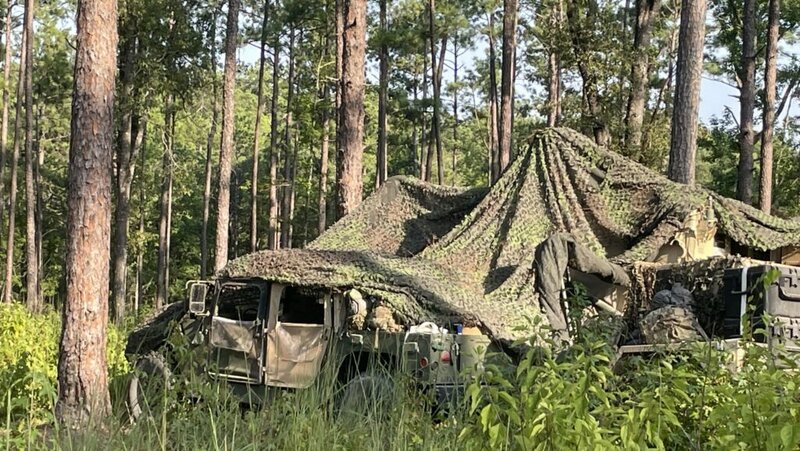
Army halted weapon development and pushed tech to soldiers faster: 2024 in review - Breaking...
Posted from breakingdefense.com Technology
 Weapons
 Defense
Edited 11 mo ago
Posted 11 mo ago
Responses: 5
7
7
0

Lets pray the weapons programs that were canceled won't be needed down the road. The Secretary's legacy is her DIE inclusion at all costs to Army personnel.
(7)
(0)
3
3
0

2
2
0

Got several published articles in on Research Gate on this topic. The intent is kill precision and to save soldiers lives.
(2)
(0)
Read This Next


 Continue with Facebook
 Continue with Google