
Posted on Jan 21, 2025

Dems Delay Gabbard’s Confirmation; Pro-DEI Biden Appointee to Serve as Acting DNI

305
18
13
9
9
0
We the People have spoken. Get this idiot out of our government and let President Trump do the job we elected him to do
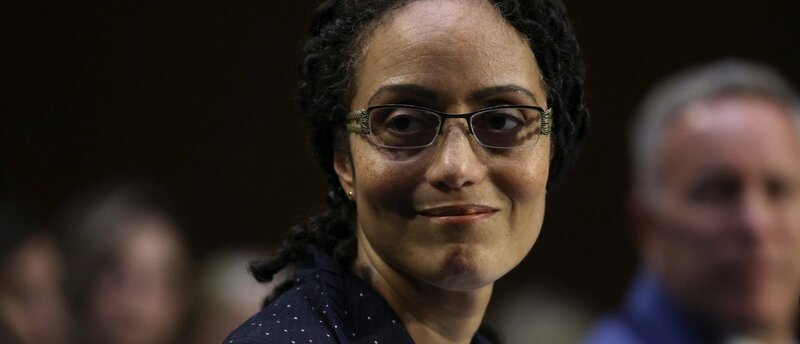
Dems Delay Gabbard’s Confirmation; Pro-DEI Biden Appointee to Serve as Acting DNI
Posted from dailypresser.comPosted in these groups:  Political Opinions
Political Opinions
Posted 11 mo ago
Responses: 4
3
3
0

COL Randall C.
As I had a few minutes to kill and multiple people made the claim of "more voted against xxx", I figured I'd do a bit of research to find out which is likely true.
Looking at the part of an article from Pew Research* regarding the reasons behind why someone cast a vote for a candidate, "more voters voted against Harris/Biden" is inaccurate. More people cast a vote as one against Trump than those that cast a vote as one against Harris.
Going by the breakdown by Pew Research and using the total votes for the election:
• ~63.39 million people voted FOR Trump (~41% of the votes cast)
• ~38.26 million people voted AGAINST Trump (~25% of the votes cast)
• ~36.76 million people voted FOR Harris (~24% of the votes cast)
• ~13.91 million people voted AGAINST Harris (~9% of the votes cast)
It's very possible the percentages are off - NBC had an exit poll of 10 key states that showed 73% voted FOR a candidate and 24% voted AGAINST one and CNN had their overall figures at roughly 75%/25%. However, that wouldn't change the overall 'bookends' (it might flip that more people voted AGAINST Trump than those that voted FOR Harris).
---------------------------------------------
* https://www.pewresearch.org/politics/2024/12/04/voters-broadly-positive-about-how-elections-were-conducted-in-sharp-contrast-to-2020/pp_2024-12-3_election-2024_00-05/
Looking at the part of an article from Pew Research* regarding the reasons behind why someone cast a vote for a candidate, "more voters voted against Harris/Biden" is inaccurate. More people cast a vote as one against Trump than those that cast a vote as one against Harris.
Going by the breakdown by Pew Research and using the total votes for the election:
• ~63.39 million people voted FOR Trump (~41% of the votes cast)
• ~38.26 million people voted AGAINST Trump (~25% of the votes cast)
• ~36.76 million people voted FOR Harris (~24% of the votes cast)
• ~13.91 million people voted AGAINST Harris (~9% of the votes cast)
It's very possible the percentages are off - NBC had an exit poll of 10 key states that showed 73% voted FOR a candidate and 24% voted AGAINST one and CNN had their overall figures at roughly 75%/25%. However, that wouldn't change the overall 'bookends' (it might flip that more people voted AGAINST Trump than those that voted FOR Harris).
---------------------------------------------
* https://www.pewresearch.org/politics/2024/12/04/voters-broadly-positive-about-how-elections-were-conducted-in-sharp-contrast-to-2020/pp_2024-12-3_election-2024_00-05/
(2)
(0)
COL Randall C.
LTC Kevin B. - Correct. As I said, "Trump didn't get a majority of the votes (he received a plurality)", but it is factually inaccurate to say he received "a minority of the overall votes" or that "most voters voted against Trump" (using the premise that if they didn't vote for him, they voted against him).
I'm not agreeing or disagreeing with the mandate part of your statement because that is an opinion on the circumstances of the election. Most 'on the left' will say he doesn't have one while most 'on the right' will say he does, and both sides will slice and dice whatever facts support their opinion.
I'm not agreeing or disagreeing with the mandate part of your statement because that is an opinion on the circumstances of the election. Most 'on the left' will say he doesn't have one while most 'on the right' will say he does, and both sides will slice and dice whatever facts support their opinion.
(0)
(0)
LTC Kevin B.
COL Randall C. - When someone receives less than a majority, that is indeed a minority. His minority share may have been bigger than the other minority shares, but it's still a minority. And, if people didn't vote for him, they voted against him. That's not necessarily the same as trying to interpret their underlying intent (opposition), but they still voted for a candidate who was running against him. Therefore, it was a vote against him.
(0)
(0)
COL Randall C.
LTC Kevin B. - That's one way of interpreting "minority". It's factually correct, but not commonly used in the context of comparing two candidates in a political race. It's would also be factually correct to say that if you won a two-person race that you came in second-to-last.
However, I grant that your premise that most voters voted against Trump if someone holds the opinion that a vote cast by someone is a de facto vote against the other individual(s) in the race.
In that view, it would be accurate to say that most people voted against Bill Clinton both times he was elected as President.
However, I grant that your premise that most voters voted against Trump if someone holds the opinion that a vote cast by someone is a de facto vote against the other individual(s) in the race.
In that view, it would be accurate to say that most people voted against Bill Clinton both times he was elected as President.
(0)
(0)
LTC Kevin B.
COL Randall C. - I'm not concerned about how most people interpret the term "minority"; I'm focused on how I was using it. He may have had the biggest minority, but it was still a minority for the purposes of anyone claiming a mandate.
I don't debate that about Bill Clinton, or GWB for that matter (in 2000).
I don't debate that about Bill Clinton, or GWB for that matter (in 2000).
(1)
(0)
0
0
0

I suspect the Dems are still upset that Gabbard left the dark blue hole. She would have been great against Trump as a Democrat but those fools screwed the pooch on that one and now a delay against her is all that they can do.
(0)
(0)
Read This Next


 Continue with Facebook
 Continue with Google