
Posted on Nov 24, 2025

A bowhead whale's DNA offers clues to fight cancer

1.21K
7
2
5
5
0
https://www.npr.org/2025/11/24/nx-s1-5612550/bowhead-whale-cancer-dna-longevity?utm_term=nprnews&utm_campaign=npr&utm_medium=social&utm_social_handle_id= [login to see] &utm_source=facebook.com&utm_social_post_id=595408347&fbclid=IwY2xjawORORJleHRuA2FlbQIxMQBzcnRjBmFwcF9pZBAyMjIwMzkxNzg4MjAwODkyAAEeyasvMbuy3ovEA8F88LrGiKehTBHmEtYMD3981lqxhcmZ9JNZzx2c863dQR8_aem_y_nxbLlniTdBRIVwCvnprg
Scientists searching for novel ways to fight cancer think they may have uncovered a promising new lead tucked away inside the cells of the bowhead whale.
The findings, published in the journal Nature, are part of a growing field examining the ways that long-lived animals like the bowhead manage to keep on trucking without being felled by malignant cells.
Opossums, Hydras And Hummingbirds: What We're Learning About Aging From Animals
Shots - Health News
Opossums, Hydras And Hummingbirds: What We're Learning About Aging From Animals
In cancer biology, there's a conundrum known as Peto's paradox: Large animals have lots of cells, which in theory should mean more chances to develop cancer. And long-lived organisms have more time to acquire the mutations needed to transform healthy cells into cancerous ones.
And yet — "that's not what happens," says Vera Gorbunova, a biologist at the University of Rochester. "It suggests that these large and longer-lived animals have additional protections from cancer that they evolved."
Scientists searching for novel ways to fight cancer think they may have uncovered a promising new lead tucked away inside the cells of the bowhead whale.
The findings, published in the journal Nature, are part of a growing field examining the ways that long-lived animals like the bowhead manage to keep on trucking without being felled by malignant cells.
Opossums, Hydras And Hummingbirds: What We're Learning About Aging From Animals
Shots - Health News
Opossums, Hydras And Hummingbirds: What We're Learning About Aging From Animals
In cancer biology, there's a conundrum known as Peto's paradox: Large animals have lots of cells, which in theory should mean more chances to develop cancer. And long-lived organisms have more time to acquire the mutations needed to transform healthy cells into cancerous ones.
And yet — "that's not what happens," says Vera Gorbunova, a biologist at the University of Rochester. "It suggests that these large and longer-lived animals have additional protections from cancer that they evolved."
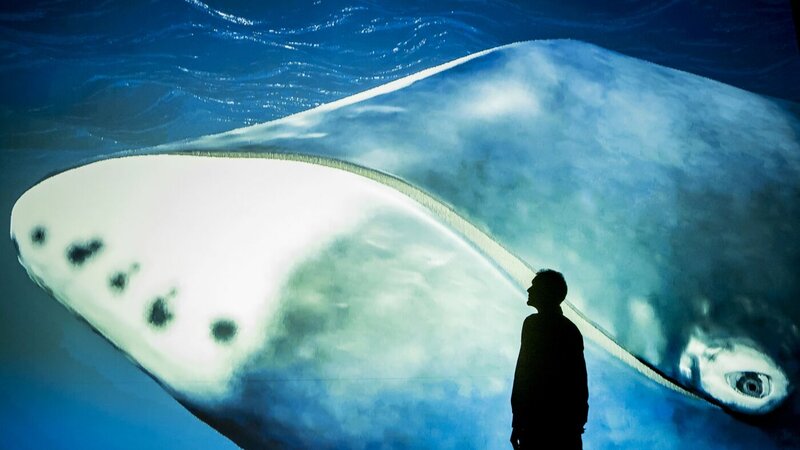
A bowhead whale's DNA offers clues to fight cancer
Posted from npr.org Medicine
 Research
 Cancer
Posted 2 mo ago
Responses: 2


Read This Next


 Continue with Facebook
 Continue with Google