
Posted on Apr 10, 2025

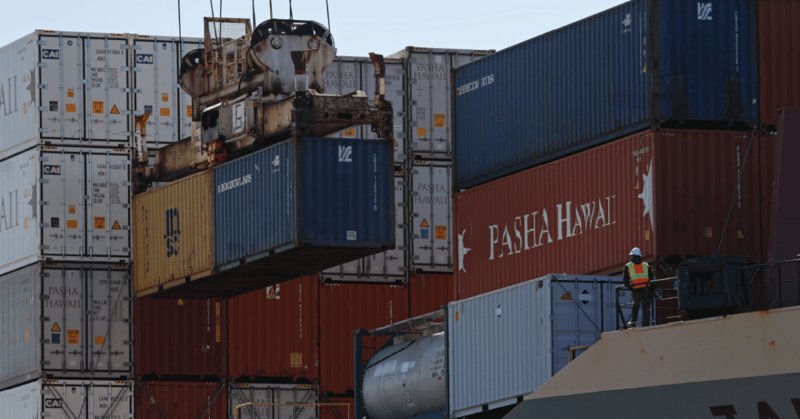
How Americans view trade between the U.S. and China, Canada and Mexico

2.55K
24
6
10
10
0
My comment, "One of the big takeaways from recent events for me was our dependency on China for critical items that concern life or death in the United States. While chips for defense are critical, life support or protective medical equipment is also important to remain above ground.
During the COVID-19 pandemic, the United States faced significant shortages of critical items, many of which were heavily reliant on procurement from China due to its role as a major global manufacturer. Based on available information and the context of the time, here are the key categories of critical items the U.S. needed that were sourced from China:
Personal Protective Equipment (PPE):
Face Masks: The U.S. depended on China for a large portion of its face mask supply, including surgical masks and N95 respirators. Early in the pandemic, China supplied billions of masks to the U.S., with reports indicating over 1.4 billion face masks were provided by April 2020 alone, enough for about five masks per American at that time. However, initial export restrictions by China to meet its domestic demand exacerbated U.S. shortages.
Protective Gowns and Gloves: China was a primary supplier of surgical gowns and gloves, critical for healthcare workers. By May 2020, China had exported hundreds of millions of gloves and tens of millions of gowns to the U.S.
Goggles and Face Shields: These items, essential for protecting healthcare workers from viral exposure, were also sourced in significant quantities from China, with millions of goggles reported in export figures.
Medical Devices and Equipment:
Ventilators: As COVID-19 cases surged, ventilators became a critical need for treating severe respiratory cases. China exported thousands of ventilators to the U.S., with nearly 8,000 reported between March and April 2020. The U.S. struggled to ramp up domestic production quickly enough to meet demand.
Thermometers and Diagnostic Equipment:
Items like infrared thermometers and components for diagnostic tests (e.g., swabs and reagents) were also imported from China, though specific quantities are less detailed in broad reports.
Pharmaceuticals and Active Pharmaceutical Ingredients (APIs):
The U.S. relied on China for a significant share of APIs, the key ingredients in many drugs, including antibiotics (e.g., penicillin), antivirals, and other medications critical for treating COVID-19 patients and managing secondary infections. While exact import volumes during the pandemic are harder to pinpoint, pre-pandemic data showed China as a dominant supplier, and this dependency became a concern as supply chains were disrupted.
Testing Supplies:
Components for COVID-19 testing kits, such as swabs, reagents, and plastic consumables (e.g., pipette tips and vials), were procured from China. The U.S. faced shortages of these items early in the pandemic, partly due to reliance on Chinese manufacturing and initial export controls.
Context and Challenges:
Supply Chain Disruptions: When the pandemic began in China, the country prioritized its own needs, imposing export restrictions on PPE and medical supplies in early 2020. This left the U.S. scrambling, as its Strategic National Stockpile was insufficient (e.g., only 30 million surgical masks and 12 million respirators were available in March 2020 against a need for billions).
Quantities Procured:
By mid-2020, China had resumed exports to the U.S., with customs data showing 4.7 billion masks, 324 million gloves, 37 million gowns, 5.5 million goggles, and nearly 8,000 ventilators supplied between March 1 and April 29, 2020. These figures highlight the scale of U.S. dependence.
Domestic Shortfalls:
The U.S. struggled to produce these items domestically at the necessary scale. These critical items were vital for protecting healthcare workers, treating patients, and controlling the spread of the virus. The pandemic exposed vulnerabilities in U.S. supply chains, sparking debates about reducing dependence on foreign manufacturing, particularly from China, though immediate needs during the crisis necessitated continued procurement from this key supplier."
In 2024, the U.S. imported $462.5 billion in goods and services from China and exported $199.2 billion, resulting in a $263.3 billion trade deficit. The U.S.-Mexico trade deficit last year was $179.0 billion. While still significant at $35.7 billion, the U.S. trade deficit with Canada was much smaller and well behind several of the nation’s other major trading partners.
During the COVID-19 pandemic, the United States faced significant shortages of critical items, many of which were heavily reliant on procurement from China due to its role as a major global manufacturer. Based on available information and the context of the time, here are the key categories of critical items the U.S. needed that were sourced from China:
Personal Protective Equipment (PPE):
Face Masks: The U.S. depended on China for a large portion of its face mask supply, including surgical masks and N95 respirators. Early in the pandemic, China supplied billions of masks to the U.S., with reports indicating over 1.4 billion face masks were provided by April 2020 alone, enough for about five masks per American at that time. However, initial export restrictions by China to meet its domestic demand exacerbated U.S. shortages.
Protective Gowns and Gloves: China was a primary supplier of surgical gowns and gloves, critical for healthcare workers. By May 2020, China had exported hundreds of millions of gloves and tens of millions of gowns to the U.S.
Goggles and Face Shields: These items, essential for protecting healthcare workers from viral exposure, were also sourced in significant quantities from China, with millions of goggles reported in export figures.
Medical Devices and Equipment:
Ventilators: As COVID-19 cases surged, ventilators became a critical need for treating severe respiratory cases. China exported thousands of ventilators to the U.S., with nearly 8,000 reported between March and April 2020. The U.S. struggled to ramp up domestic production quickly enough to meet demand.
Thermometers and Diagnostic Equipment:
Items like infrared thermometers and components for diagnostic tests (e.g., swabs and reagents) were also imported from China, though specific quantities are less detailed in broad reports.
Pharmaceuticals and Active Pharmaceutical Ingredients (APIs):
The U.S. relied on China for a significant share of APIs, the key ingredients in many drugs, including antibiotics (e.g., penicillin), antivirals, and other medications critical for treating COVID-19 patients and managing secondary infections. While exact import volumes during the pandemic are harder to pinpoint, pre-pandemic data showed China as a dominant supplier, and this dependency became a concern as supply chains were disrupted.
Testing Supplies:
Components for COVID-19 testing kits, such as swabs, reagents, and plastic consumables (e.g., pipette tips and vials), were procured from China. The U.S. faced shortages of these items early in the pandemic, partly due to reliance on Chinese manufacturing and initial export controls.
Context and Challenges:
Supply Chain Disruptions: When the pandemic began in China, the country prioritized its own needs, imposing export restrictions on PPE and medical supplies in early 2020. This left the U.S. scrambling, as its Strategic National Stockpile was insufficient (e.g., only 30 million surgical masks and 12 million respirators were available in March 2020 against a need for billions).
Quantities Procured:
By mid-2020, China had resumed exports to the U.S., with customs data showing 4.7 billion masks, 324 million gloves, 37 million gowns, 5.5 million goggles, and nearly 8,000 ventilators supplied between March 1 and April 29, 2020. These figures highlight the scale of U.S. dependence.
Domestic Shortfalls:
The U.S. struggled to produce these items domestically at the necessary scale. These critical items were vital for protecting healthcare workers, treating patients, and controlling the spread of the virus. The pandemic exposed vulnerabilities in U.S. supply chains, sparking debates about reducing dependence on foreign manufacturing, particularly from China, though immediate needs during the crisis necessitated continued procurement from this key supplier."
In 2024, the U.S. imported $462.5 billion in goods and services from China and exported $199.2 billion, resulting in a $263.3 billion trade deficit. The U.S.-Mexico trade deficit last year was $179.0 billion. While still significant at $35.7 billion, the U.S. trade deficit with Canada was much smaller and well behind several of the nation’s other major trading partners.
How Americans view trade between the U.S. and China, Canada and Mexico
Posted from pewresearch.org International Trade
 Health
 Finance
Posted 10 mo ago
Responses: 3
2
2
0
LTC Eugene Chu Donald Trump did not sign the original North American Free Trade Agreement (NAFTA), which was signed into law by President Bill Clinton on December 8, 1993, and took effect on January 1, 1994. However, Trump was highly critical of NAFTA during his 2016 presidential campaign, calling it "the worst trade deal ever made" and blaming it for job losses and trade deficits in the United States. He promised to renegotiate or withdraw from it if elected. (Source: The U.S. Government Publishing Office (GPO) records the signing of the North American Free Trade Agreement Implementation Act (Public Law 103-182) on December 8, 1993)
As president, Trump oversaw the renegotiation of NAFTA, resulting in the United States-Mexico-Canada Agreement (USMCA), which he signed on November 30, 2018, alongside Canadian Prime Minister Justin Trudeau and Mexican President Enrique Peña Nieto. The USMCA replaced NAFTA and went into effect on July 1, 2020, after ratification by all three countries. Trump touted the USMCA as a major improvement over NAFTA, claiming it would bring back jobs and benefit American workers, farmers, and businesses.
The USMCA was not a radical departure from NAFTA, retaining much of its framework while updating it for modern trade realities. It’s difficult to definitively label it "negative" for the U.S. without long-term data, as its full impact is still unfolding (it’s only been in effect since 2020). Economists generally agree it’s neither a disaster nor a game-changer. Critics argue it fell short of Trump’s lofty promises, while supporters see it as a pragmatic improvement. Whether it’s viewed as negative often hinges on political perspective rather than clear economic evidence, with no consensus that it broadly harmed the U.S. economy.
The Independent is generally characterized as having a left-leaning or center-left bias, though its specific stance can vary depending on the context and issue. In this article there is a high degree of truth associated with the statement. It accurately captures Trump’s March 11, 2025, Truth Social post, the surrounding trade dispute with Ford, and the fact that the USMCA—negotiated and signed by Trump—enabled the very energy flows he questioned. The only minor caveat is the subjective framing (“whine”), but this doesn’t undermine the factual basis. The claim holds up robustly against historical records and contemporary accounts from March 2025, making it a reliable reflection of events.
As president, Trump oversaw the renegotiation of NAFTA, resulting in the United States-Mexico-Canada Agreement (USMCA), which he signed on November 30, 2018, alongside Canadian Prime Minister Justin Trudeau and Mexican President Enrique Peña Nieto. The USMCA replaced NAFTA and went into effect on July 1, 2020, after ratification by all three countries. Trump touted the USMCA as a major improvement over NAFTA, claiming it would bring back jobs and benefit American workers, farmers, and businesses.
The USMCA was not a radical departure from NAFTA, retaining much of its framework while updating it for modern trade realities. It’s difficult to definitively label it "negative" for the U.S. without long-term data, as its full impact is still unfolding (it’s only been in effect since 2020). Economists generally agree it’s neither a disaster nor a game-changer. Critics argue it fell short of Trump’s lofty promises, while supporters see it as a pragmatic improvement. Whether it’s viewed as negative often hinges on political perspective rather than clear economic evidence, with no consensus that it broadly harmed the U.S. economy.
The Independent is generally characterized as having a left-leaning or center-left bias, though its specific stance can vary depending on the context and issue. In this article there is a high degree of truth associated with the statement. It accurately captures Trump’s March 11, 2025, Truth Social post, the surrounding trade dispute with Ford, and the fact that the USMCA—negotiated and signed by Trump—enabled the very energy flows he questioned. The only minor caveat is the subjective framing (“whine”), but this doesn’t undermine the factual basis. The claim holds up robustly against historical records and contemporary accounts from March 2025, making it a reliable reflection of events.
(2)
(0)
CPT Lawrence Cable
I'm old enough to remember this moment in a Presidential debate. https://www.youtube.com/watch?v=VRr60nmDyu4
Enjoy the videos and music you love, upload original content, and share it all with friends, family, and the world on YouTube.
(1)
(0)
1
1
0

I am horrified to see how many critical things (especially medications) are made outside the US.
(1)
(0)
1
1
0

While many blame the various governments, I blame the American consumer's demand for cheap goods.
(1)
(0)
CPT Lawrence Cable
Did Americans demand cheap goods, or did the major Consumer retail outlets just realize that they could jack up their profit margins? I think the chances that foreign made goods influx was driven by profit margins instead of consumer preference are pretty good.
It's just the other side of the story when employers justify off-shoring jobs or hiring illegals, they just can't find people that want to work. No, they can't find anyone that wants to work for wages that don't pay the rent and allow for luxuries like food.
It's just the other side of the story when employers justify off-shoring jobs or hiring illegals, they just can't find people that want to work. No, they can't find anyone that wants to work for wages that don't pay the rent and allow for luxuries like food.
(2)
(0)
Read This Next


 Continue with Facebook
 Continue with Google