
Posted on Nov 5, 2025

NYC Mayor-Elect Zohran Mamdani sticks to his socialist guns in fire-breathing victory speech

412
43
12
7
7
0
Zohran Mamdani, who was elected Mayor of New York City on November 4, 2025, has made a range of ambitious campaign promises focused on lowering the cost of living. However, there is no single, specific action identified as a "first day in office" proposal in the search results, aside from potentially naming his transition committee leaders.
Instead, his agenda is a broad platform that he will begin working toward from the start of his term, which begins January 1, 2026. Key elements of his agenda include:
Freezing Rents: A primary promise is to freeze rent increases for all tenants in rent-stabilized apartments.
Universal Childcare: He aims to provide free universal childcare for children between six weeks and five years old.
Free Buses: He has advocated for making the city's bus services free for all riders.
City-Run Grocery Stores: He proposes launching a pilot program for city-owned grocery stores in each borough to combat high food prices.
Creating a Department of Community Safety: This new agency (Social Workers) would respond to mental health crises and expand violence interrupter programs, freeing up police resources.
Raising Taxes: To fund these initiatives, Mamdani plans to raise the corporate tax rate and increase income taxes for the wealthiest New Yorkers, which would require state approval.
He has promised to "get straight to the work of staffing up his mayoral administration" and is planning to announce the leaders of his transition committee shortly after the election.
To fund his campaign promises (such as universal childcare and free buses), Mayor Mamdani has proposed the following tax changes:
A 2% income tax surcharge on New Yorkers earning more than $1 million annually. This would exclusively target the top 1% of city taxpayers.
Raising the state's top corporate tax rate from 7.25% to 11.5%. This would match New Jersey's rate and apply to approximately 1,000 of the city's most profitable businesses.
Mamdani's ability to implement his full agenda will depend heavily on cooperation from the New York State Legislature and the Governor, as many of his key proposals require state approval.
How it compares to other cities:
Local tax collections: In a comparison of the 10 largest U.S. cities, NYC's local tax collections were greater than those of the next nine largest cities combined.
High cost of living: Many large coastal cities, including New York, have higher tax burdens compared to the national average.
Property tax comparison: New York City's property taxes can be more than double the next highest city's taxes per square foot for industrial properties.
My comment -- Perhaps all of this is immaterial because the majority of residents voted for low-cost to free living. We'll see if the general population vetted their candidates for the best possible outcome for the taxpaying citizens of New York City.
Instead, his agenda is a broad platform that he will begin working toward from the start of his term, which begins January 1, 2026. Key elements of his agenda include:
Freezing Rents: A primary promise is to freeze rent increases for all tenants in rent-stabilized apartments.
Universal Childcare: He aims to provide free universal childcare for children between six weeks and five years old.
Free Buses: He has advocated for making the city's bus services free for all riders.
City-Run Grocery Stores: He proposes launching a pilot program for city-owned grocery stores in each borough to combat high food prices.
Creating a Department of Community Safety: This new agency (Social Workers) would respond to mental health crises and expand violence interrupter programs, freeing up police resources.
Raising Taxes: To fund these initiatives, Mamdani plans to raise the corporate tax rate and increase income taxes for the wealthiest New Yorkers, which would require state approval.
He has promised to "get straight to the work of staffing up his mayoral administration" and is planning to announce the leaders of his transition committee shortly after the election.
To fund his campaign promises (such as universal childcare and free buses), Mayor Mamdani has proposed the following tax changes:
A 2% income tax surcharge on New Yorkers earning more than $1 million annually. This would exclusively target the top 1% of city taxpayers.
Raising the state's top corporate tax rate from 7.25% to 11.5%. This would match New Jersey's rate and apply to approximately 1,000 of the city's most profitable businesses.
Mamdani's ability to implement his full agenda will depend heavily on cooperation from the New York State Legislature and the Governor, as many of his key proposals require state approval.
How it compares to other cities:
Local tax collections: In a comparison of the 10 largest U.S. cities, NYC's local tax collections were greater than those of the next nine largest cities combined.
High cost of living: Many large coastal cities, including New York, have higher tax burdens compared to the national average.
Property tax comparison: New York City's property taxes can be more than double the next highest city's taxes per square foot for industrial properties.
My comment -- Perhaps all of this is immaterial because the majority of residents voted for low-cost to free living. We'll see if the general population vetted their candidates for the best possible outcome for the taxpaying citizens of New York City.
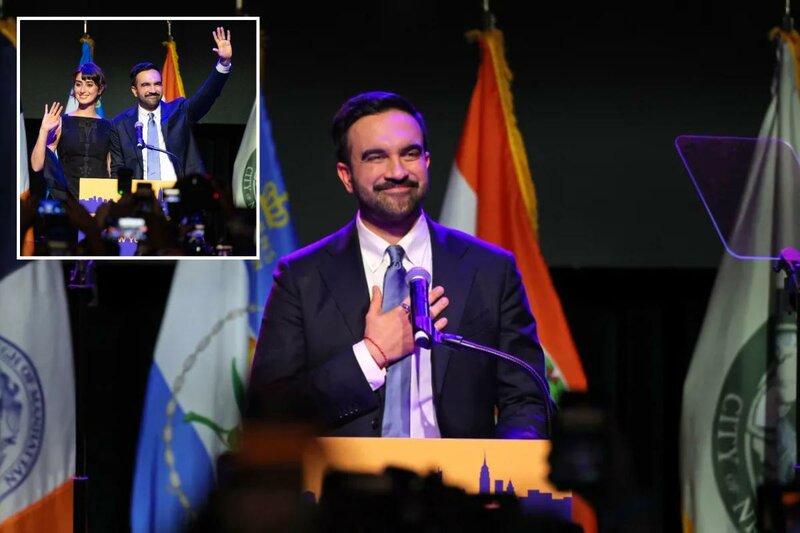
NYC Mayor-Elect Zohran Mamdani sticks to his socialist guns in fire-breathing victory speech
Posted from nypost.comPosted in these groups:  Political Opinions
Political Opinions
Posted 3 mo ago
Responses: 8
7
7
0

Good luck getting all that approved is all I can say. It may sound great on paper but putting it into action... Good luck.
(7)
(0)
CPT Jack Durish
The people of NYC should be praying that none of it sees the light of day. (and no, none of it sounds great on paper). Indeed, all of it has been tried before and failed (which is why NYC voters should have demanded a better list of candidates - they all stunk to high heaven).
(4)
(0)
6
6
0

The stoopid is strong in New York. It will be interesting to see how this administration runs. My money is on its a total failure that'll be doubled down on by others.
(6)
(0)
6
6
0

Read This Next


 Continue with Facebook
 Continue with Google