

13
13
0
The "Colonel's" Military Pay Through History - Series of Military Pay through the various wars of the United States (The War of 1812) - Sorry Out of Order...
During the War of 1812, enlistment terms were initially set at five years, but the government soon extended service requirements to cover the entire duration of the conflict. To attract more volunteers, the Army offered a signing bonus starting at $31 along with 160 acres of land. This incentive later doubled to $124 and 320 acres—exceeding the annual earnings of most workers at the time.
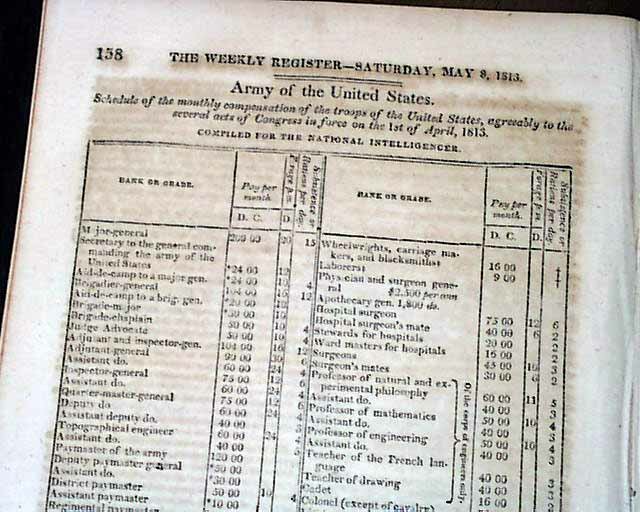
Privates began with a monthly pay of $5, while sergeants and other non-commissioned officers earned between $7 and $9. Officers received significantly higher wages, ranging from $20 up to $200 per month. Due to recruitment challenges, the government eventually increased pay for privates and non-officers by an extra $4 each month.
One of the biggest issues early on was the slow distribution of pay. Soldiers frequently faced long delays, sometimes waiting months before receiving their wages. This caused unrest, including refusals to march and even mutinies in October 1812. By late 1814, many were still owed six to twelve months of back pay.
In 1812, U.S. military pay was low, with enlisted privates earning around $5-$14 monthly, plus a ration, while officers earned significantly more (e.g., Colonels ~$50, Captains ~$20), but pay often lagged due to war issues, leading to recruitment struggles despite large bounties of land/money. A soldier's pay was often less than unskilled jobs, with allowances for officers adding to their total, but private pay struggled to keep up with rising costs during the war.
Enlisted Pay (Approximate Monthly)
Private: Started around $5-$6/month, increasing to $8/month by late 1812.
Corporal/Sergeant: Higher than privates, but specific rates varied.
Officer Pay (Approximate Monthly)
Colonel: Around $50/month (later increased).
Captain: Around $20/month (later increased).
Lieutenant: Higher than privates, but less than Captains.
General: Higher still, with allowances for command.
Key Factors & Challenges
Low Pay & Recruitment: Pay for privates was often lower than civilian labor, making recruitment difficult.
Allowances: Officer pay included allowances for rations, forage, and fuel, increasing their effective income.
Inflation & Delays: Paychecks were often delayed by months, and rising wartime costs hurt enlisted soldiers, who sometimes paid for their own gear.
Bounties: New recruits received a one-time bounty of cash (e.g., $31) or land (160 acres), later increased, to entice enlistment.
During the War of 1812, enlistment terms were initially set at five years, but the government soon extended service requirements to cover the entire duration of the conflict. To attract more volunteers, the Army offered a signing bonus starting at $31 along with 160 acres of land. This incentive later doubled to $124 and 320 acres—exceeding the annual earnings of most workers at the time.
Privates began with a monthly pay of $5, while sergeants and other non-commissioned officers earned between $7 and $9. Officers received significantly higher wages, ranging from $20 up to $200 per month. Due to recruitment challenges, the government eventually increased pay for privates and non-officers by an extra $4 each month.
One of the biggest issues early on was the slow distribution of pay. Soldiers frequently faced long delays, sometimes waiting months before receiving their wages. This caused unrest, including refusals to march and even mutinies in October 1812. By late 1814, many were still owed six to twelve months of back pay.
In 1812, U.S. military pay was low, with enlisted privates earning around $5-$14 monthly, plus a ration, while officers earned significantly more (e.g., Colonels ~$50, Captains ~$20), but pay often lagged due to war issues, leading to recruitment struggles despite large bounties of land/money. A soldier's pay was often less than unskilled jobs, with allowances for officers adding to their total, but private pay struggled to keep up with rising costs during the war.
Enlisted Pay (Approximate Monthly)
Private: Started around $5-$6/month, increasing to $8/month by late 1812.
Corporal/Sergeant: Higher than privates, but specific rates varied.
Officer Pay (Approximate Monthly)
Colonel: Around $50/month (later increased).
Captain: Around $20/month (later increased).
Lieutenant: Higher than privates, but less than Captains.
General: Higher still, with allowances for command.
Key Factors & Challenges
Low Pay & Recruitment: Pay for privates was often lower than civilian labor, making recruitment difficult.
Allowances: Officer pay included allowances for rations, forage, and fuel, increasing their effective income.
Inflation & Delays: Paychecks were often delayed by months, and rising wartime costs hurt enlisted soldiers, who sometimes paid for their own gear.
Bounties: New recruits received a one-time bounty of cash (e.g., $31) or land (160 acres), later increased, to entice enlistment.

 Military Pay
 War of 1812
 Military History
Edited 7 d ago
Posted 8 d ago
Responses: 5

6
6
0

Incredible history regarding military compensation!!! Thank you, COL Mikel J. Burroughs for this little known, valuable insight.
(6)
(0)
3
3
0

Apparently paying troops of any nation wasn't a high priority back in the day. During the Revolutionary War most of us know that the French supported us with troops. The French command headquarters was in Rhode Island but obviously their troops were far from there, so paying them was a logistic challenge. Apparently the troops were paid in silver coin and that had to travel from Rhode Island to wherever French troops were. The route that the pay took was known as the silver trail and came right through my home town. To this day a chunk of that trail, in my and the adjacent town, is named Silver Lane.
(3)
(0)
3
3
0

Read This Next


 Continue with Facebook
 Continue with Google