
Posted on Jul 31, 2015

U.S. intelligence assessments conclude that the Islamic State has not been weakened by U.S.-led bombing campaign. Time for a new approach?

9.72K
155
61
8
8
0
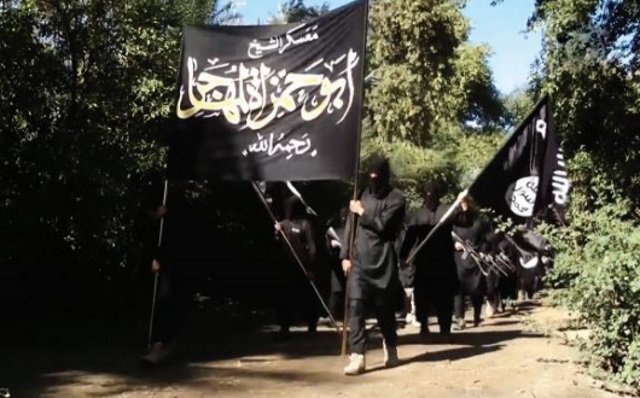
After billions of dollars spent and more than 10,000 extremist fighters killed, the Islamic State group is fundamentally no weaker than it was when the U.S.-led bombing campaign began a year ago, American intelligence agencies have concluded.
The military campaign has prevented Iraq's collapse and put the Islamic State under increasing pressure in northern Syria, particularly squeezing its self-proclaimed capital in Raqqa. But intelligence analysts see the overall situation as a strategic stalemate: The Islamic State remains a well-funded extremist army able to replenish its ranks with foreign jihadis as quickly as the U.S. can eliminate them. Meanwhile, the group has expanded to other countries, including Libya, Egypt's Sinai Peninsula and Afghanistan.
The assessments by the CIA, the Defense Intelligence Agency and others appear to contradict the optimistic line taken by the Obama administration's special envoy, retired Gen. John Allen, who told a forum in Aspen, Colorado, last week that "ISIS is losing" in Iraq and Syria. The intelligence was described by officials who would not be named because they were not authorized to discuss it publicly.
"We've seen no meaningful degradation in their numbers," a defense official said, citing intelligence estimates that put the group's total strength at between 20,000 and 30,000, the same estimate as last August when the airstrikes began.
The Islamic State's staying power also raises questions about the administration's approach to the threat that the group poses to the U.S. and its allies. Although officials do not believe it is planning complex attacks on the West from its territory, the group's call to Western Muslims to kill at home has become a serious problem, FBI Director James Comey and other officials say.
Yet under the Obama administration's campaign of bombing and training, which prohibits American troops from accompanying fighters into combat or directing air strikes from the ground, it could take a decade to drive the Islamic State from its safe havens, analysts say. The administration is adamant that it will commit no U.S. ground troops to the fight despite calls from some in Congress to do so.
The U.S.-led coalition and its Syrian and Kurdish allies on the ground have made some inroads. The Islamic State has lost 9.4 percent of its territory in the first six months of 2015, according to an analysis by the conflict monitoring group IHS. And the military campaign has arrested the sense of momentum and inevitability created by the group's stunning advances last year, leaving the combination of Sunni religious extremists and former Saddam Hussein loyalists unable to grow its forces or continue its surge.
"In Raqqa, they are being slowly strangled," said an activist who fled Raqqa earlier this year and spoke on condition of anonymity to protect relatives and friends who remain there. "There is no longer a feeling that Raqqa is a safe haven for the group."
A Delta Force raid in Syria that killed Islamic State financier Abu Sayyaf in May also has resulted in a well of intelligence about the group's structure and finances, U.S. officials say. His wife, held in Iraq, has been cooperating with interrogators.
Syrian Kurdish fighters and their allies have wrested most of the northern Syria border from the Islamic State group. In June, the U.S.-backed alliance captured the border town of Tal Abyad, which for more than a year had been the militants' most vital direct supply route from Turkey. The Kurds also took the town of Ein Issa, a hub for IS movements and supply lines only 35 miles north of Raqqa.
As a result, the militants have had to take a more circuitous smuggling path through a stretch of about 60 miles they still control along the Turkish border. A plan announced this week for a U.S.-Turkish "safe zone" envisages driving the Islamic State group out of those areas as well, using Syrian rebels backed by airstrikes.
In Raqqa, U.S. coalition bombs pound the group's positions and target its leaders with increasing regularity. The militants' movements have been hampered by strikes against bridges, and some fighters are sending their families away to safer ground.
In early July, a wave of strikes in 24 hours destroyed 18 overpasses and a number of roads used by the group in and around Raqqa.
Reflecting IS unease, the group has taken exceptional measures against residents of Raqqa the past two weeks, activists say. It has moved to shut down private Internet access for residents, arrested suspected spies and set up security cameras in the streets. Patrols by its "morals police" have decreased because fighters are needed on the front lines, the activists say.
But American intelligence officials and other experts say that in the big picture, the Islamic State is hanging tough.
"The pressure on Raqqa is significant, and it's an important thing to watch, but looking at the overall picture, ISIS is mostly in the same place," said Harleen Gambhir, a counterterrorism analyst at Institute for the Study of War, a Washington think tank. "Overall ISIS still retains the ability to plan and execute phased conventional military campaigns and terrorist attacks."
In Iraq, the Islamic State's seizure of the strategically important provincial capital of Ramadi has so far stood. Although U.S. officials have said it is crucial that the government in Baghdad win back disaffected Sunnis, there is little sign of that happening. American-led efforts to train Syrian rebels to fight the Islamic State have produced a grand total of 60 vetted fighters.
The group has adjusted its tactics to thwart a U.S. bombing campaign that tries to avoid civilian casualties, officials say. Fighters no longer move around in easily targeted armored columns; they embed themselves among women and children, and they communicate through couriers to thwart eavesdropping and geolocation, the defense official said.
Oil continues to be a major revenue source. By one estimate, the Islamic State is clearing $500 million per year from oil sales, said Daniel Glaser, assistant secretary for terrorist financing at the Treasury Department. That's on top of as much as $1 billion in cash the group seized from banks in its territory.
Although the U.S. has been bombing oil infrastructure, the militants have been adept at rebuilding oil refining, drilling and trading capacity, the defense official said.
"ISIL has plenty of money," Glaser said last week, more than enough to meet a payroll he estimated at a high of $360 million a year.
Glaser said the U.S. was gradually squeezing the group's finances through sanctions, military strikes and other means, but he acknowledged it would take time.
Ahmad al-Ahmad, a Syrian journalist in Hama province who heads an opposition media outfit called Syrian Press Center, said he did not expect recent setbacks to seriously alter the group's fortunes.
"IS moves with a very intelligent strategy which its fighters call the lizard strategy," he said. "They emerge in one place, then they disappear and pop up in another place."
http://www.militarytimes.com/story/military/2015/07/31/despite-bombing-no-weaker-than-year-ago/30924535/
The military campaign has prevented Iraq's collapse and put the Islamic State under increasing pressure in northern Syria, particularly squeezing its self-proclaimed capital in Raqqa. But intelligence analysts see the overall situation as a strategic stalemate: The Islamic State remains a well-funded extremist army able to replenish its ranks with foreign jihadis as quickly as the U.S. can eliminate them. Meanwhile, the group has expanded to other countries, including Libya, Egypt's Sinai Peninsula and Afghanistan.
The assessments by the CIA, the Defense Intelligence Agency and others appear to contradict the optimistic line taken by the Obama administration's special envoy, retired Gen. John Allen, who told a forum in Aspen, Colorado, last week that "ISIS is losing" in Iraq and Syria. The intelligence was described by officials who would not be named because they were not authorized to discuss it publicly.
"We've seen no meaningful degradation in their numbers," a defense official said, citing intelligence estimates that put the group's total strength at between 20,000 and 30,000, the same estimate as last August when the airstrikes began.
The Islamic State's staying power also raises questions about the administration's approach to the threat that the group poses to the U.S. and its allies. Although officials do not believe it is planning complex attacks on the West from its territory, the group's call to Western Muslims to kill at home has become a serious problem, FBI Director James Comey and other officials say.
Yet under the Obama administration's campaign of bombing and training, which prohibits American troops from accompanying fighters into combat or directing air strikes from the ground, it could take a decade to drive the Islamic State from its safe havens, analysts say. The administration is adamant that it will commit no U.S. ground troops to the fight despite calls from some in Congress to do so.
The U.S.-led coalition and its Syrian and Kurdish allies on the ground have made some inroads. The Islamic State has lost 9.4 percent of its territory in the first six months of 2015, according to an analysis by the conflict monitoring group IHS. And the military campaign has arrested the sense of momentum and inevitability created by the group's stunning advances last year, leaving the combination of Sunni religious extremists and former Saddam Hussein loyalists unable to grow its forces or continue its surge.
"In Raqqa, they are being slowly strangled," said an activist who fled Raqqa earlier this year and spoke on condition of anonymity to protect relatives and friends who remain there. "There is no longer a feeling that Raqqa is a safe haven for the group."
A Delta Force raid in Syria that killed Islamic State financier Abu Sayyaf in May also has resulted in a well of intelligence about the group's structure and finances, U.S. officials say. His wife, held in Iraq, has been cooperating with interrogators.
Syrian Kurdish fighters and their allies have wrested most of the northern Syria border from the Islamic State group. In June, the U.S.-backed alliance captured the border town of Tal Abyad, which for more than a year had been the militants' most vital direct supply route from Turkey. The Kurds also took the town of Ein Issa, a hub for IS movements and supply lines only 35 miles north of Raqqa.
As a result, the militants have had to take a more circuitous smuggling path through a stretch of about 60 miles they still control along the Turkish border. A plan announced this week for a U.S.-Turkish "safe zone" envisages driving the Islamic State group out of those areas as well, using Syrian rebels backed by airstrikes.
In Raqqa, U.S. coalition bombs pound the group's positions and target its leaders with increasing regularity. The militants' movements have been hampered by strikes against bridges, and some fighters are sending their families away to safer ground.
In early July, a wave of strikes in 24 hours destroyed 18 overpasses and a number of roads used by the group in and around Raqqa.
Reflecting IS unease, the group has taken exceptional measures against residents of Raqqa the past two weeks, activists say. It has moved to shut down private Internet access for residents, arrested suspected spies and set up security cameras in the streets. Patrols by its "morals police" have decreased because fighters are needed on the front lines, the activists say.
But American intelligence officials and other experts say that in the big picture, the Islamic State is hanging tough.
"The pressure on Raqqa is significant, and it's an important thing to watch, but looking at the overall picture, ISIS is mostly in the same place," said Harleen Gambhir, a counterterrorism analyst at Institute for the Study of War, a Washington think tank. "Overall ISIS still retains the ability to plan and execute phased conventional military campaigns and terrorist attacks."
In Iraq, the Islamic State's seizure of the strategically important provincial capital of Ramadi has so far stood. Although U.S. officials have said it is crucial that the government in Baghdad win back disaffected Sunnis, there is little sign of that happening. American-led efforts to train Syrian rebels to fight the Islamic State have produced a grand total of 60 vetted fighters.
The group has adjusted its tactics to thwart a U.S. bombing campaign that tries to avoid civilian casualties, officials say. Fighters no longer move around in easily targeted armored columns; they embed themselves among women and children, and they communicate through couriers to thwart eavesdropping and geolocation, the defense official said.
Oil continues to be a major revenue source. By one estimate, the Islamic State is clearing $500 million per year from oil sales, said Daniel Glaser, assistant secretary for terrorist financing at the Treasury Department. That's on top of as much as $1 billion in cash the group seized from banks in its territory.
Although the U.S. has been bombing oil infrastructure, the militants have been adept at rebuilding oil refining, drilling and trading capacity, the defense official said.
"ISIL has plenty of money," Glaser said last week, more than enough to meet a payroll he estimated at a high of $360 million a year.
Glaser said the U.S. was gradually squeezing the group's finances through sanctions, military strikes and other means, but he acknowledged it would take time.
Ahmad al-Ahmad, a Syrian journalist in Hama province who heads an opposition media outfit called Syrian Press Center, said he did not expect recent setbacks to seriously alter the group's fortunes.
"IS moves with a very intelligent strategy which its fighters call the lizard strategy," he said. "They emerge in one place, then they disappear and pop up in another place."
http://www.militarytimes.com/story/military/2015/07/31/despite-bombing-no-weaker-than-year-ago/30924535/
 ISIS
ISIS Iraq
Iraq War on Terror
Edited 10 y ago
Posted >1 y ago
Responses: 24
7
7
0

GySgt Wayne A. Ekblad - Gunny; We are fighting the war ISIS wants us to fight and not the war we would like it to fight or that we might fight some time in the future.
If that sounds a bit like deja vu all over again, it should.
As is attributed to Napoleon, "Never interrupt your enemy when he is making a mistake.".
Spending $1,410,000 to blow up a Toyota Pickup truck and some obsolescent military hardware with a total price of around $10,000 is NOT what is considered to be a "good trade" - especially when the Toyota and weaponry can be replaced approximately ten times faster than the missile you used to destroy them can be replaced.
The MAIN advantage of this type of "High Tech War" is the incredibly small casualty list for "your side". (The casualty list for "their side" isn't actually that much higher.)
If that sounds a bit like deja vu all over again, it should.
As is attributed to Napoleon, "Never interrupt your enemy when he is making a mistake.".
Spending $1,410,000 to blow up a Toyota Pickup truck and some obsolescent military hardware with a total price of around $10,000 is NOT what is considered to be a "good trade" - especially when the Toyota and weaponry can be replaced approximately ten times faster than the missile you used to destroy them can be replaced.
The MAIN advantage of this type of "High Tech War" is the incredibly small casualty list for "your side". (The casualty list for "their side" isn't actually that much higher.)
(7)
(0)
5
5
0

My opinion is to completely back out and modify Title 10 authority to allow active duty to protect the US from inside our borders. Let the rich middle east countries fix their problem. We can strategically bomb Iran's nuclear facilities at will. We don't need help to do that...
(5)
(0)
5
5
0

Bombing ISIS will fail just as it failed in Vietnam because the leaders there knew that the American public lacked the will to follow through and complete the mission. They (including General Giap) openly admitted the truth of this in many interviews. Indeed, it's even worse today because the American President shares (eagerly demonstrates) that lack of will.
(5)
(0)
COL Ted Mc
CPT Jack Durish - Captain; When you say " ... because the leaders there knew that the American public lacked the will to follow through and complete the mission ..." the thought occurs to me whether this condition started with the election of President Obama or whether it is something that any reasonably astute observer would have noticed was almost endemic to "the American Psyche" (especially when faced with a war that isn't a walkover against much weaker opponents).
IF "... the American public (lacks) the will to follow through and complete the mission ..." it seems to me that it would behoove any American President NOT to start a war that has even the faintest chance of lasting longer than the remainder of the current TV season (either because they want to get re-elected or because they don't want the other party to "capture the White House").
It's not that America couldn't have won "The War on Terror" if there had been a concentrated national push to do so. It's that there was never any real effort to mobilize a concentrated national push to actually fight the war that was needed in order to win "The War on Terror". [Some people would say that the war that was to be waged as "The War on Terror" was sold to the American public as one where as few Americans would be placed in a position of danger as possible and the only significant casualties would be non-Americans and/or their children. I wouldn't go that far, but I might come close.]
PS - If the Vietnamese were aware of this "national characteristic" as far back as the "Resistance War Against America" (as they called it) in 1955, I don't know why anyone would be surprised that someone other than the Vietnamese would have noticed it in the intervening 60(ish) years.
IF "... the American public (lacks) the will to follow through and complete the mission ..." it seems to me that it would behoove any American President NOT to start a war that has even the faintest chance of lasting longer than the remainder of the current TV season (either because they want to get re-elected or because they don't want the other party to "capture the White House").
It's not that America couldn't have won "The War on Terror" if there had been a concentrated national push to do so. It's that there was never any real effort to mobilize a concentrated national push to actually fight the war that was needed in order to win "The War on Terror". [Some people would say that the war that was to be waged as "The War on Terror" was sold to the American public as one where as few Americans would be placed in a position of danger as possible and the only significant casualties would be non-Americans and/or their children. I wouldn't go that far, but I might come close.]
PS - If the Vietnamese were aware of this "national characteristic" as far back as the "Resistance War Against America" (as they called it) in 1955, I don't know why anyone would be surprised that someone other than the Vietnamese would have noticed it in the intervening 60(ish) years.
(2)
(0)
4
4
0

To heck with it. let me go native (American Indian) and do my thing. One at a time eating rattlesnakes along the way. We need to stop fighting the war being civilized. Go barbaric and unleash the dogs of war. They do not care for the civilized people that within the borders so treat them as they treat others. Do it slow and painful and make a statement. To me the people have no loyalty to their country or they would stand and fight. I know my neighbors up and down the block where I live. yet they probably could not tell you who lives next door to them. So they can not trust each other and do not know who the enemy is then it is to late. I may be ex Air Force but I would ground pound with anyone who needed it...disabled or not. Just let me retrain on a weapon before I go...been to many years.
Just saying with a little rant.
God Bless and have a good day!!
Just saying with a little rant.
God Bless and have a good day!!
(4)
(0)
PO2 Ron Burling
Airman, I'm Ojibwa myself, so I sympathize with you, but we are addressing a pretty messed up situation. "their country" was artificially constructed by the Brits at the end of WWI, it was "constructed" on a map with no regard for the situation of the indigenous personnel, tribal boundaries, or even the promises the Brits had made to obtain support from the various tribes, hence, there is little to no support for "their country" from within. There is nothing we can do to change that at this point, so we will eventually have to confront ISIS "live and in person".
If we wait long enough, they will be more than happy to bring the fight to us too, that will make it easier for us old codgers to involve ourselves I think.
If we wait long enough, they will be more than happy to bring the fight to us too, that will make it easier for us old codgers to involve ourselves I think.
(2)
(0)
4
4
0

Even though I may be burned alive at the stake by the AF for saying this, but air power alone has never defeated an enemy. You need boots on the ground. Taking and holding land is the only way to beat an enemy. If we want to win we need to put the U.S. Marines or Army on the ground. The real question is whether the U.S. is willing to fight. Or more importantly, whether we should even be in that fight.
(4)
(0)
PO2 Ron Burling
Total, violent agreement, Sergeant. Since ISIS bases their 'legitimacy' on controlling real estate the only way to defeat them is to take that real estate. It will require rough men & women with rifles and bayonets coupled with a national "will to win". While we do have those people, I'm not sure we have that "will to win".
(1)
(0)
SMSgt Thor Merich
PO2 Ron Burling - I would agree that the "will to fight" is not there, let alone the commitment to actually win.
(2)
(0)
4
4
0

4
4
0


Cpl Clinton Britt
Need to send in our own snakes. Once again we have to many Roe and society has become to politically correct and way to informed.
We need to go back to basics. We need to get dirty. Get back all of the old salts. Go back to bullets and blades and horses and feet.
Just saying
We need to go back to basics. We need to get dirty. Get back all of the old salts. Go back to bullets and blades and horses and feet.
Just saying
(1)
(0)
4
4
0

PO2 Ron Burling
SrA Daniel Hunter It did something. But the Turks have never forgiven anyone for the fall of the Ottoman Empire.
(1)
(0)

3
3
0

As in the past, it is going to require far more force than the current administration is willing to commit, boots on the ground unhampered by politically correct rules of engagement and a real "will to win" on our part.
(3)
(0)
Read This Next


 Continue with Facebook
 Continue with Google