


60
60
0


On November 30 this year, I retired from the Army at Fort Stewart, Georgia. At a dinner following the retirement ceremony, my parents presented me with my great-grandfather's colonel insignia. Warren W. Whitside served as a colonel in the 89th Division in WWI and commanded the Division Trains and Military Police, an early version of the modern division sustainment brigade. I immediately looked closely at the eagle insignia to see if it was a "War Eagle." Sure enough, the head of the eagle is facing the arrowheads clasped in its talons, rather than the olive branches, which is the only authorized facing on today's colonel insignia.
The "War Eagle" given to me, and shown in the above photograph, is the smaller insignia on my great-grandfather's cover in this WWI era picture. He is wearing the 89th Division patch, and the photo was likely taken in France in 1918.
I shared the story of the "War Eagle" with the group, and provide a more detailed and official version below for those interested who may not know this peculiar bit of military history.
1) The method of identifying Colonels was initially established by General Washington on July 23, 1775, when he stated, "The field officers may have red or pink colored cockades in their hats." Although there is evidence that colonels wore the eagle as rank insignia in 1829 when they transferred the gold gilt eagles that decorated their hat cockades to their collars. In 1832, gold eagles were authorized for infantry colonels because they were placed on silver epaulettes and silver eagles to be placed on gold epaulettes were authorized for all other colonels.
2) In 1851, the silver epaulettes for infantry was abolished and all epaulettes became gold. As a result, all colonel insignia of grade became silver. The 1851 regulation included illustrations which show the embroidered eagle on the shoulder strap faced the arrows while the eagle worn on the epaulettes faced the olive branches. Apparently due to the lack of specifications, the direction of the eagle's head depended upon the manufacturer.
3) Metal insignia was authorized to be worn on the khaki blouse in 1902. The colonel's insignia was described as a silver spread eagle. There is no reference as to the direction of the eagle's head nor are there illustrations. The 1917 uniform specifications and regulations describe the insignia as a metal silver spread eagle, 3/4 inch high and 2 inches between the tips of the wings. It was worn on the shoulder loop, beak to the front, and on the right collar of the shirt with the eagle's beak to the front. In 1921, the size of the eagle was reduced from 2 inches to 1 1/2 inches between the tips of the wings. The height of the insignia remained unchanged at 3/4 inch.
4) In 1926, the insignia was made in pairs with the head of the eagle facing to the front when worn. This was the first reference to the insignia being made in pairs. To do this, the eagle's head was reversed on one insignia--the insignia worn on the right shoulder had the eagle's head facing the laurel branches. On the left shoulder, the eagle's head faced the arrow. The insignia with the eagle's head facing the arrow became known by the term "war eagle."
5) In 1951, the insignia was redesigned so that the eagle's head faced the laurel branches on both left and right shoulder insignia with the arrows to the rear on both insignia.
6) The so called "war eagle" is no longer authorized for wear on the uniform.
For the record, a gentlemen at the reception was an Auburn grad. He came up to me and related the following Auburn war eagle story:
"'War Eagle' is Auburn's battle cry, not a mascot or nickname. The most popular story about the battle cry dates back to the first time Auburn met Georgia on the football field in 1892 and centers around a spectator who was a veteran of the Civil War. In the stands with him that day was an eagle the old soldier had found on a battlefield during the war. He had kept it as a pet for almost 30 years. According to witnesses, the eagle suddenly broke free and began majestically circling the playing field. As the eagle soared, Auburn began a steady march toward the Georgia end zone for a thrilling victory. Elated at their team's play and taking the bird's presence as an omen of success, Auburn students and fans began to yell 'War Eagle' to spur on their team. At the game's end, the eagle took a sudden dive, crashed into the ground, and died. But the battle cry 'War Eagle' lived on to become a symbol of the proud Auburn spirit." [Quoted from Auburn University | Traditions]
The "War Eagle" given to me, and shown in the above photograph, is the smaller insignia on my great-grandfather's cover in this WWI era picture. He is wearing the 89th Division patch, and the photo was likely taken in France in 1918.
I shared the story of the "War Eagle" with the group, and provide a more detailed and official version below for those interested who may not know this peculiar bit of military history.
1) The method of identifying Colonels was initially established by General Washington on July 23, 1775, when he stated, "The field officers may have red or pink colored cockades in their hats." Although there is evidence that colonels wore the eagle as rank insignia in 1829 when they transferred the gold gilt eagles that decorated their hat cockades to their collars. In 1832, gold eagles were authorized for infantry colonels because they were placed on silver epaulettes and silver eagles to be placed on gold epaulettes were authorized for all other colonels.
2) In 1851, the silver epaulettes for infantry was abolished and all epaulettes became gold. As a result, all colonel insignia of grade became silver. The 1851 regulation included illustrations which show the embroidered eagle on the shoulder strap faced the arrows while the eagle worn on the epaulettes faced the olive branches. Apparently due to the lack of specifications, the direction of the eagle's head depended upon the manufacturer.
3) Metal insignia was authorized to be worn on the khaki blouse in 1902. The colonel's insignia was described as a silver spread eagle. There is no reference as to the direction of the eagle's head nor are there illustrations. The 1917 uniform specifications and regulations describe the insignia as a metal silver spread eagle, 3/4 inch high and 2 inches between the tips of the wings. It was worn on the shoulder loop, beak to the front, and on the right collar of the shirt with the eagle's beak to the front. In 1921, the size of the eagle was reduced from 2 inches to 1 1/2 inches between the tips of the wings. The height of the insignia remained unchanged at 3/4 inch.
4) In 1926, the insignia was made in pairs with the head of the eagle facing to the front when worn. This was the first reference to the insignia being made in pairs. To do this, the eagle's head was reversed on one insignia--the insignia worn on the right shoulder had the eagle's head facing the laurel branches. On the left shoulder, the eagle's head faced the arrow. The insignia with the eagle's head facing the arrow became known by the term "war eagle."
5) In 1951, the insignia was redesigned so that the eagle's head faced the laurel branches on both left and right shoulder insignia with the arrows to the rear on both insignia.
6) The so called "war eagle" is no longer authorized for wear on the uniform.
For the record, a gentlemen at the reception was an Auburn grad. He came up to me and related the following Auburn war eagle story:
"'War Eagle' is Auburn's battle cry, not a mascot or nickname. The most popular story about the battle cry dates back to the first time Auburn met Georgia on the football field in 1892 and centers around a spectator who was a veteran of the Civil War. In the stands with him that day was an eagle the old soldier had found on a battlefield during the war. He had kept it as a pet for almost 30 years. According to witnesses, the eagle suddenly broke free and began majestically circling the playing field. As the eagle soared, Auburn began a steady march toward the Georgia end zone for a thrilling victory. Elated at their team's play and taking the bird's presence as an omen of success, Auburn students and fans began to yell 'War Eagle' to spur on their team. At the game's end, the eagle took a sudden dive, crashed into the ground, and died. But the battle cry 'War Eagle' lived on to become a symbol of the proud Auburn spirit." [Quoted from Auburn University | Traditions]
 Military History
 COL
COL Officer
 WWI
WWI Rank
Rank
Edited 8 y ago
Posted 8 y ago
Responses: 28

3
3
0

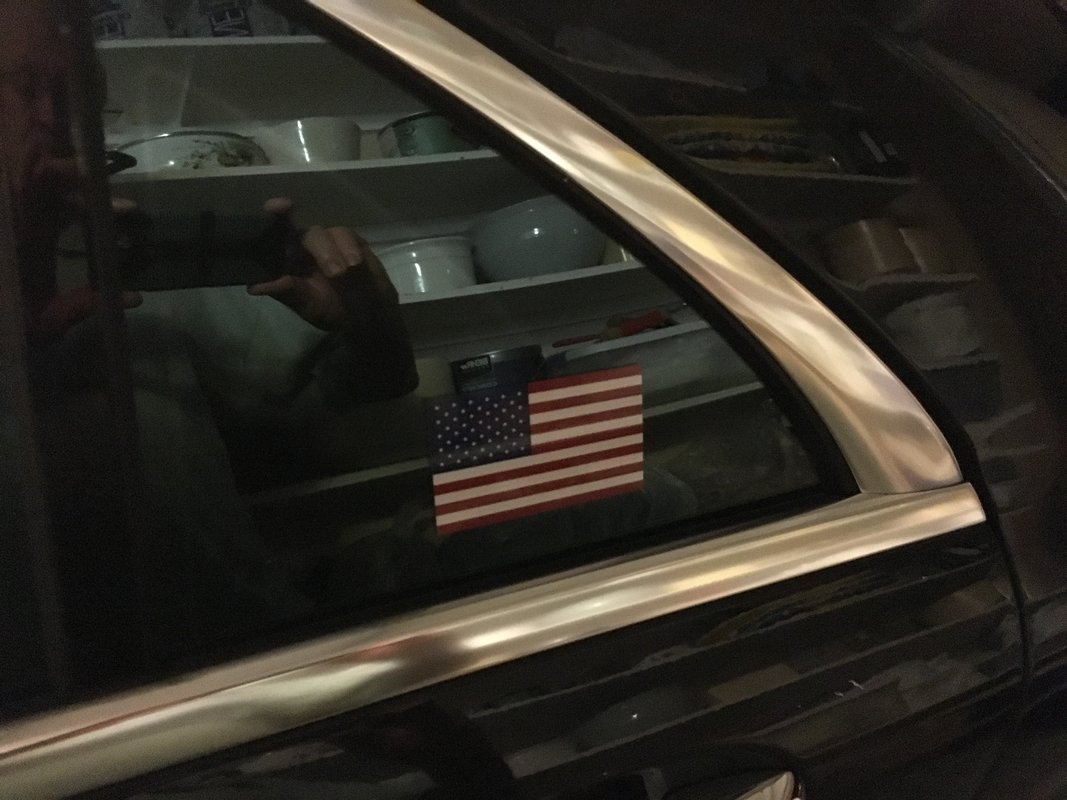
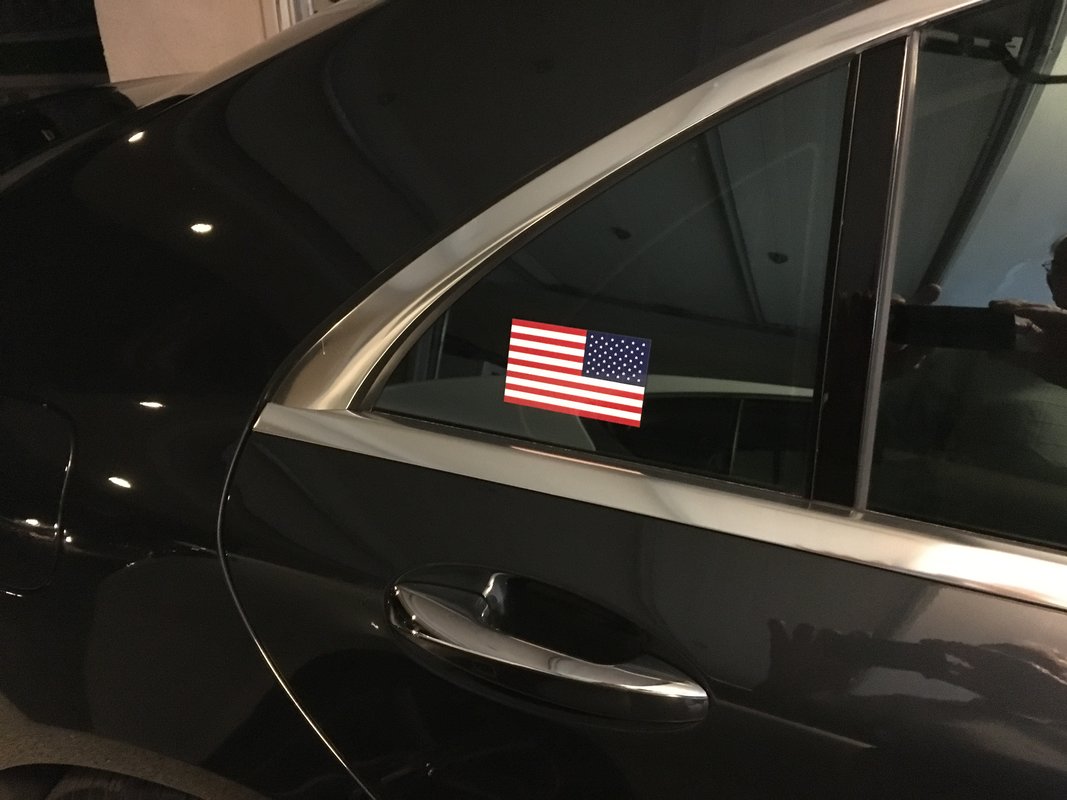
Great story and description of Colonel’s insignia! Battle Eagle insignia as well as a mascot are historical! COL Sam Russell
People looking at the U S Flag decals on my car are consternated when they see the Union to the front on each side of the car.
People looking at the U S Flag decals on my car are consternated when they see the Union to the front on each side of the car.
(3)
(0)
2
2
0

COL Sam Russell Thank you for your post, your service to our country and a special shout out upon your well deserved retirement.
(2)
(0)
2
2
0

2
2
0

2
2
0
2
2
0

2
2
0

(2)
(0)
2
2
0

2
2
0
Upon return from Iraq in 2004, I was promoted to O6 and subsequently located a set of War Eagles to be worn on my Class A uniform. I also had a War Eagle for my flash on my beret. I worn the War Eagles until I was medically retierd in 2007. Still have my War Eagles on my uniform and beret, in storage.
(2)
(0)
CPT (Join to see)
Don't forget sir, as a retiree there are many occasions for the wear of a uniform. Senior officers like you have a real role in the restoration of civility to the American way of life.
(1)
(0)
2
2
0
Awesome story. Funny that we fly a Military flag all the time, yet do not want a "War Eagle" clasp. ( Is that right or is it called a pin?). Anyway just as soon as I figure out how to post a picture on here I'll show you the Civil Flag flown only once in 1912. You can Google it ....PEACE TIME FLAG.
The union is white with blue stars and the stripes are verticle.
My dad was a Screaming Eagle
Heldary. Still like to see that Peace Flag Fly
The union is white with blue stars and the stripes are verticle.
My dad was a Screaming Eagle
Heldary. Still like to see that Peace Flag Fly
(2)
(0)
PO2 Rev. Frederick C. Mullis, AFI, CFM
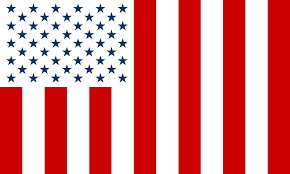
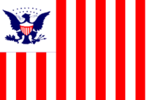
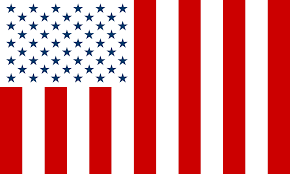
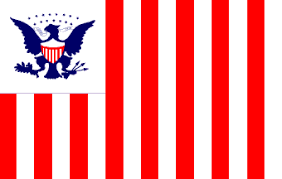
Nicole, I know the Flag of which you speak, but I hate to burst your bubble, It is not The US Civil Flag. It was never flown in any war, in 1912 It was designed and used during Ron Paul's run for the Presidency. It was bastardized from the US Customs Flag. Please note that I have attached both Flags. The United States have had many variations of Old Glory, besides this flag would not have been used in 1912 because the number of stars (45) are wrong, at the beginning of 1912 we had 46 states. in January we added #47 New Mexico and then in February we added #48 Arizona. The Peace Time Flag is an urban legend, a Myth. Old Glory has flown in War and Peace!
(1)
(0)
Read This Next


 Continue with Facebook
 Continue with Google


