

5
5
0
At first, the idea of using porcupine quills to patch up wounds sounds torturous. But, taking inspiration from the spiky rodent, researchers have begun to work on a new type of surgical staple that may be less damaging — and less painful — than current staples.
Worldwide, surgeons perform more than 4 million operations annually, usually using sutures and staples to close wounds. Yet these traditional tools designed to aid healing can create their own problems.
"We've been using sutures and staples for decades, and they've been incredibly useful," says Jeff Karp, a bioengineer at Brigham and Women's Hospital in Boston and professor of medicine at Harvard Medical School. "But there are challenges in terms of placing them for minimally invasive procedures."
Worldwide, surgeons perform more than 4 million operations annually, usually using sutures and staples to close wounds. Yet these traditional tools designed to aid healing can create their own problems.
"We've been using sutures and staples for decades, and they've been incredibly useful," says Jeff Karp, a bioengineer at Brigham and Women's Hospital in Boston and professor of medicine at Harvard Medical School. "But there are challenges in terms of placing them for minimally invasive procedures."
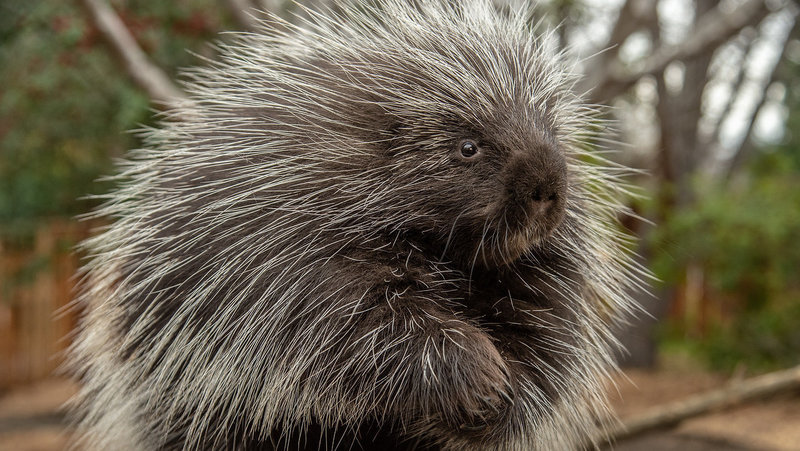
Porcupine Barbs For Better Wound Healing
Posted from npr.org Medical
 Health
 Surgery
 Wildlife
Posted 7 y ago
Responses: 4

5
5
0

2
2
0

0
0
0

Read This Next


 Continue with Facebook
 Continue with Google