
Posted on May 20, 2022

Much of the U.S. could criminalize abortion. But how will those laws be enforced?

1.57K
8
2
3
3
0
https://www.npr.org/2022/05/20/ [login to see] /abortion-roe-v-wade-supreme-court-laws-states
As the Supreme Court appears poised to overturn Roe v Wade, experts are examining how a wave of anti-abortion trigger laws may work between states and even whether "bounty hunter" models could be seen throughout the country.
More than a dozen states already have trigger laws banning abortion on the books that would immediately go into effect if the Supreme Court decision lifts or weakens Roe. And about a dozen more states will likely follow suit.
Kim Mutcherson is a dean and professor of law at Rutgers University and says criminalizing abortion would impact the most vulnerable people.
"People who are low income, women of color, younger women, who tend to find out about their pregnancies later into their pregnancy, women who live in rural areas, undocumented immigrants," Mutcherson said.
In many states, restrictive abortion laws already exist. Texas, for example, passed SB-8 last year. That law effectively bans abortions after six weeks of pregnancy, which is before most people know they're pregnant. It also incentivizes bounty hunters to report people seeking abortions or their providers.
As the Supreme Court appears poised to overturn Roe v Wade, experts are examining how a wave of anti-abortion trigger laws may work between states and even whether "bounty hunter" models could be seen throughout the country.
More than a dozen states already have trigger laws banning abortion on the books that would immediately go into effect if the Supreme Court decision lifts or weakens Roe. And about a dozen more states will likely follow suit.
Kim Mutcherson is a dean and professor of law at Rutgers University and says criminalizing abortion would impact the most vulnerable people.
"People who are low income, women of color, younger women, who tend to find out about their pregnancies later into their pregnancy, women who live in rural areas, undocumented immigrants," Mutcherson said.
In many states, restrictive abortion laws already exist. Texas, for example, passed SB-8 last year. That law effectively bans abortions after six weeks of pregnancy, which is before most people know they're pregnant. It also incentivizes bounty hunters to report people seeking abortions or their providers.
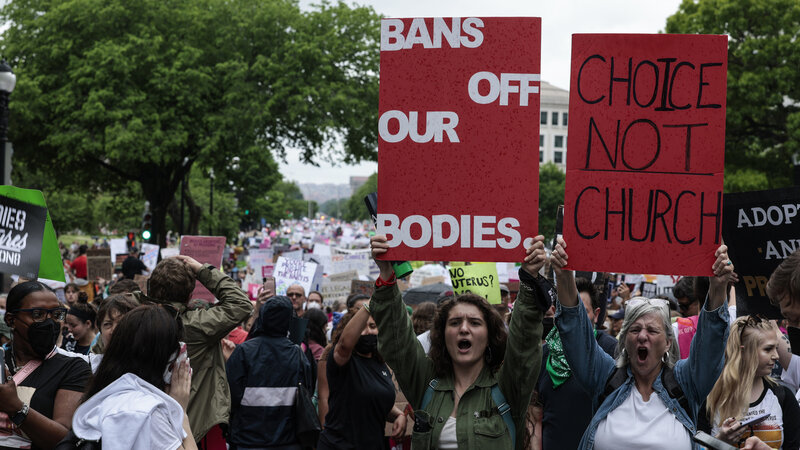
Much of the U.S. could criminalize abortion. But how will those laws be enforced?
Posted from npr.org Abortion
 Medical
 Health
 Supreme Court
 Crime
Crime
Posted >1 y ago
Responses: 2


Read This Next


 Continue with Facebook
 Continue with Google