
Posted on Jan 4, 2024

Invasive European green crabs threaten Northwest shellfish industries

3.14K
2
1
1
1
0
On a summer day in 2022, a team of researchers from Portland State University made their way upriver from chilly, salty Siletz Bay, near Lincoln City, to the fresher, warmer waters of the Siletz River.
They were retrieving traps set earlier to see whether invasive European green crabs were finding comfy habitats in places the native Dungeness crabs find intolerable. The alien crabs outcompete Dungeness crabs for both food and habitat and pose a significant danger to that lucrative Oregon fishery.
European green crabs, as the name suggests, are native to Europe. But the hearty, tolerant crustaceans have also made themselves at home in Australia, Argentina, Japan, South Africa and on both coasts of North America.
“Green crabs have incredible tolerances for temperature. They can be much warmer than our native crabs can and thrive. But they’re also pretty successful at cold temperatures,” said Catherine de Rivera, the research team’s leader and PSU professor of environmental sciences and management.
Green crabs are also tolerant of different levels of water salinity, making them feel at home in open sea, estuaries and even up into fresh water. Their flat hind legs make them good swimmers. To top it off, European green crabs possess a set of strong claws that make it easy for them to slice into clam shells and crush the carapaces of lesser-equipped crabs.
These attributes make green crabs excellent survivors and formidable invaders, as well as a significant threat to the state’s shellfish industry.
Oregon’s Dungeness crab fishery brought in upwards of $91 million in the 2021-22 season, and other fisheries such as oysters and bay clams are also at risk of being impacted by the invaders.
They were retrieving traps set earlier to see whether invasive European green crabs were finding comfy habitats in places the native Dungeness crabs find intolerable. The alien crabs outcompete Dungeness crabs for both food and habitat and pose a significant danger to that lucrative Oregon fishery.
European green crabs, as the name suggests, are native to Europe. But the hearty, tolerant crustaceans have also made themselves at home in Australia, Argentina, Japan, South Africa and on both coasts of North America.
“Green crabs have incredible tolerances for temperature. They can be much warmer than our native crabs can and thrive. But they’re also pretty successful at cold temperatures,” said Catherine de Rivera, the research team’s leader and PSU professor of environmental sciences and management.
Green crabs are also tolerant of different levels of water salinity, making them feel at home in open sea, estuaries and even up into fresh water. Their flat hind legs make them good swimmers. To top it off, European green crabs possess a set of strong claws that make it easy for them to slice into clam shells and crush the carapaces of lesser-equipped crabs.
These attributes make green crabs excellent survivors and formidable invaders, as well as a significant threat to the state’s shellfish industry.
Oregon’s Dungeness crab fishery brought in upwards of $91 million in the 2021-22 season, and other fisheries such as oysters and bay clams are also at risk of being impacted by the invaders.
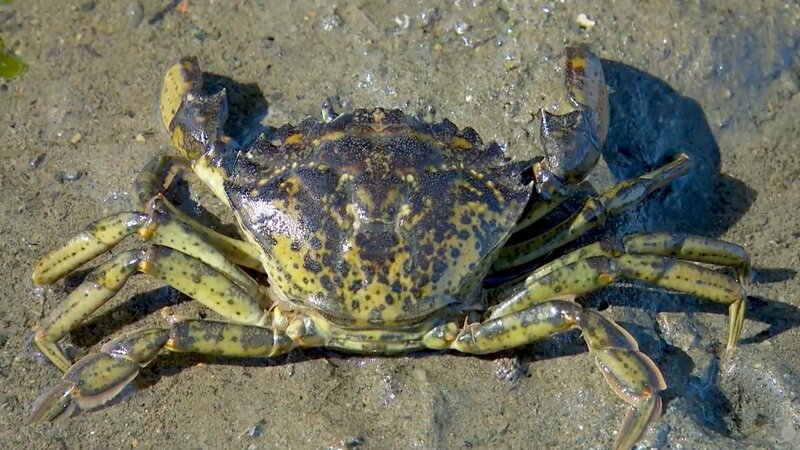
Invasive European green crabs threaten Northwest shellfish industries
Posted from opb.org Food/Chow
 Portland State University
Posted 2 y ago
Responses: 1

Read This Next


 Continue with Facebook
 Continue with Google