
Posted on Oct 28, 2025

How a Harvard maverick forever changed our concept of the stars

1.05K
18
3
13
13
0
Cecilia Payne-Gaposchkin was just 25 years old when she discovered what stars are made of: hydrogen, helium and just a dash of nearly every other element. Her finding in 1925 was among the first successful attempts to apply the nascent field of quantum physics to observations of stars, and it was immediately controversial. At the time, astronomers believed that stars were essentially just hot Earths — incandescent orbs of iron, silicon and the other heavy elements that constitute our rocky world. Payne-Gaposchkin, a young woman astronomer, was asking her senior colleagues to throw out everything they thought they’d known about stars and write the universe anew.
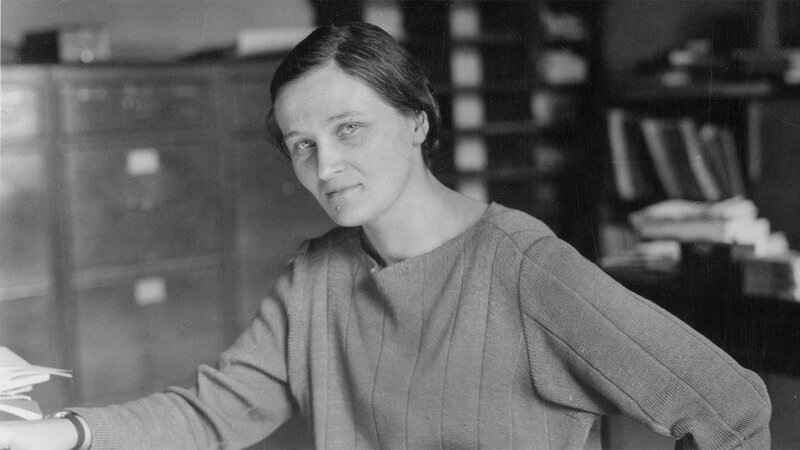
How a Harvard maverick forever changed our concept of the stars
Posted from sciencenews.org Science
 Astronomy
 Harvard University
 Space
Space American History
Posted 1 mo ago
Responses: 2


Read This Next


 Continue with Facebook
 Continue with Google