

Civil War

Civil War

16
16
0
The "Colonel's" Medal of Honor Series (Covering the period from 1861 to 1862 in alphabetic order)
Civil War
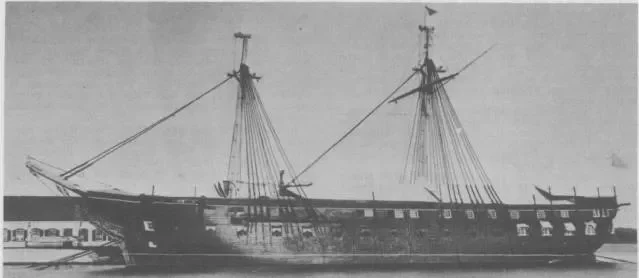
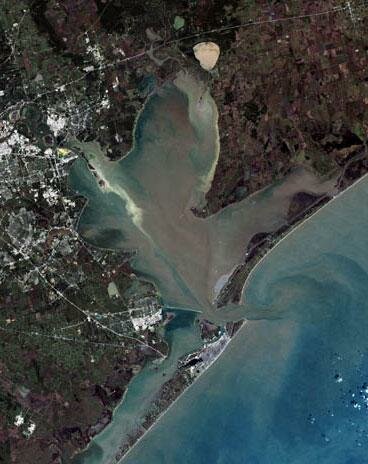
Captain of the Afterguard George H. Bell, U.S. Navy, USS Santee (2nd Picture) Year of Action: 1861, Location of Action: Galveston Bay, Texas (3rd Picture)
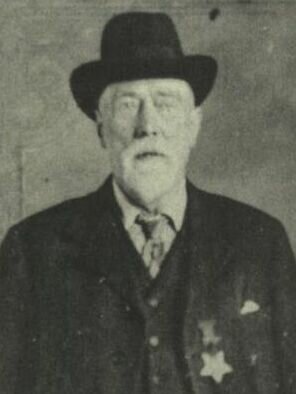
George H. Bell (1st Picture) (March 12, 1839 – September 26, 1917) was a Union Navy sailor in the American Civil War and a recipient of the U.S. military's highest decoration, the Medal of Honor, for his actions during an 1861 engagement.
George H. Bell, though born in Sunderland on the 12th of March 1839, moved with his family to Newcastle upon Tyne at some point in the early-to-mid 1840s. Around the age of 14, he became a sailor, and over the next few years sailed across the world, calling at ports as far apart as the Baltic Sea and the Indian Ocean.
In May of 1861, Bell was docked in New York. A month earlier the newly-formed Confederate States of America had seized Fort Sumter, off Charleston in South Carolina, and the conflict’s first major battle, near Manassas Junction in Virginia, was just weeks away. Bell decided to enlist in the United States Navy, which had just begun a blockade of all major Southern ports. While his motives for signing up remain unclear, it would come to be the most important decision of his young life.
In July of 1861, just as those first shots were ringing out in Virginia, he joined the crew of the U.S.S. Santee, which was docked in Portsmouth, New Hampshire. Bell was initially employed as an able seaman, but due to his extensive sailing experience, he was quickly promoted to coxswain, in charge of the ship’s navigation and steering. The Santee had been assigned to assist in the blockade of the Gulf of Mexico, but on her voyage south, she would capture both the Confederate blockade runner C.P. Knapp, and the brig Delta, which was attempting to slip through the Union ships with a cargo of salt destined for Liverpool. Following these two successes en route, the Santee finally arrived in the Gulf around the end of October.
At the same time, Commander William W. Hunter of the Confederate Navy chartered the Royal Yacht to patrol the waters off Galveston as a look out. Said to be the fastest schooner on the coast of Texas, she was at anchor in the Bolivar Channel, and was less than a month into her tour when she had her first encounter.
On the 7th November 1861, seamen from the Santee alongside a detachment of Marines attempted to capture the C.S.S. General Rusk. This ended in failure, when the boats ran aground trying to avoid detection. But success was just hours away, following expedition commander Lieutenant James Jouett’s decision to attack the Royal Yacht.
At around 2.30 am on the 8th, launches from the Santee surprised the Royal Yacht and “after a desperate encounter” which included hand-to-hand fighting, she was set on fire. In the skirmish, the Santee suffered one fatality and eight were wounded, including George H. Bell, while three of the Royal Yacht’s crew were injured.
Later that day, the C.S.S. Bayou City sent boats to investigate, and found the Royal Yacht ablaze. They extinguished the fire, but were too late to stop much of the crew being arrested by the Union ship, the arrestees including the Royal Yacht’s captain, Thomas Chubb.
Chubb, like Bell, had left home at a young age to join the navy, with some suggesting he was as young as six at the time. Chubb was born in Charlestown, Massachusetts, and once told British Army officer and foreign observer Arthur Fremantle that he was a “yankee by birth”. When the civil war broke out however, his sympathies lay firmly with the Rebels. Before the war he had been imprisoned in Boston, accused of hiring free blacks as crew in Boston, then sailing to Galveston, Texas, where he sold the unfortunate souls into slavery. Somehow, he escaped to the South and joined the Confederate Navy.
After the Royal Yacht was attacked, Chubb was taken to New York, and sentenced to be hanged as a pirate, but was exchanged after Confederate President Jefferson Davis threatened the same punishment to ten northern prisoners in retaliation.
The Santee meanwhile was refitted at the Boston Navy Yard, and served as a school ship for the Naval Academy, a task she performed until she sank at her moorings in 1912.
Two years after the Santee’s most famous engagement, on July 10th 1863, George H. Bell was given the Medal of Honour, awarded for personal acts of valour above and beyond the call of duty. His citation reads:
“The President of the United States of America, in the name of Congress, takes pleasure in presenting the Medal of Honor to Captain of the Afterguard George H. Bell, United States Navy, for extraordinary heroism in action, serving as Pilot of the U.S.S. Santee when that vessel was engaged in cutting out the rebel armed schooner Royal Yacht from Galveston Bay, Texas, 7 November 1861, and evinced more coolness, in passing the four forts and the rebel steamer General Rusk, than was ever before witnessed by his commanding officer. Although severely wounded in the encounter, he displayed extraordinary courage under the most painful and trying circumstances.”
After his service in the American Civil War, he returned to his native North East, and was married to Sarah Ann, with whom he had five children. In the early 1880s he relocated to Shropshire for a period, seemingly without his family, where he was employed as a shipwright, but he soon returned to Newcastle. Here he lived until his death in 1917, working as a bricklayer and a farmer, and living on Hunters Road in the Spital Tongues area of the city.
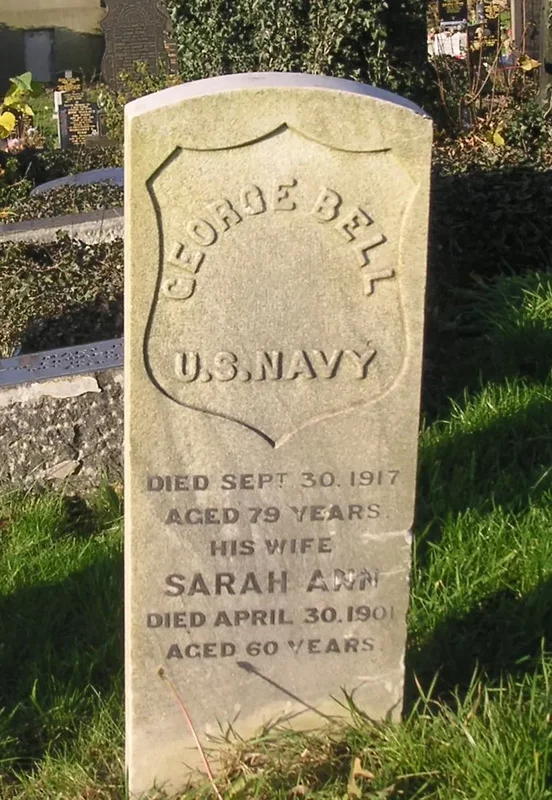
George H. Bell outlived his wife by 16 years, and is buried with her at Elswick Cemetery, in Newcastle upon Tyne’s west end. (4th Picture)
After the election of Abraham Lincoln in 1860, residents of Galveston strongly supported secession and sided with the Confederacy as the Civil War broke out. However, separation from the Union did not last long; the city's harbor was blockaded by the federal navy starting in July 1861, followed by a full-scale occupation after the Battle of Galveston Harbor in October 1862. However, at the Battle of Galveston in January 1863, a small Confederate force managed to overwhelm the Union's naval forces in the bay and retake the island. Despite this victory, the Union continued to blockade the outlets of Galveston Bay until the end of the war. Reconstruction was swift in southeast Texas. Ranching interests were major economic drivers on the mainland in the 19th century. The city of Galveston became a major U.S. commercial center for shipping cotton, leather products, cattle, and other goods produced in the growing state. Railroads were built around the shore, and new communities continued to emerge.
Civil War
Captain of the Afterguard George H. Bell, U.S. Navy, USS Santee (2nd Picture) Year of Action: 1861, Location of Action: Galveston Bay, Texas (3rd Picture)
George H. Bell (1st Picture) (March 12, 1839 – September 26, 1917) was a Union Navy sailor in the American Civil War and a recipient of the U.S. military's highest decoration, the Medal of Honor, for his actions during an 1861 engagement.
George H. Bell, though born in Sunderland on the 12th of March 1839, moved with his family to Newcastle upon Tyne at some point in the early-to-mid 1840s. Around the age of 14, he became a sailor, and over the next few years sailed across the world, calling at ports as far apart as the Baltic Sea and the Indian Ocean.
In May of 1861, Bell was docked in New York. A month earlier the newly-formed Confederate States of America had seized Fort Sumter, off Charleston in South Carolina, and the conflict’s first major battle, near Manassas Junction in Virginia, was just weeks away. Bell decided to enlist in the United States Navy, which had just begun a blockade of all major Southern ports. While his motives for signing up remain unclear, it would come to be the most important decision of his young life.
In July of 1861, just as those first shots were ringing out in Virginia, he joined the crew of the U.S.S. Santee, which was docked in Portsmouth, New Hampshire. Bell was initially employed as an able seaman, but due to his extensive sailing experience, he was quickly promoted to coxswain, in charge of the ship’s navigation and steering. The Santee had been assigned to assist in the blockade of the Gulf of Mexico, but on her voyage south, she would capture both the Confederate blockade runner C.P. Knapp, and the brig Delta, which was attempting to slip through the Union ships with a cargo of salt destined for Liverpool. Following these two successes en route, the Santee finally arrived in the Gulf around the end of October.
At the same time, Commander William W. Hunter of the Confederate Navy chartered the Royal Yacht to patrol the waters off Galveston as a look out. Said to be the fastest schooner on the coast of Texas, she was at anchor in the Bolivar Channel, and was less than a month into her tour when she had her first encounter.
On the 7th November 1861, seamen from the Santee alongside a detachment of Marines attempted to capture the C.S.S. General Rusk. This ended in failure, when the boats ran aground trying to avoid detection. But success was just hours away, following expedition commander Lieutenant James Jouett’s decision to attack the Royal Yacht.
At around 2.30 am on the 8th, launches from the Santee surprised the Royal Yacht and “after a desperate encounter” which included hand-to-hand fighting, she was set on fire. In the skirmish, the Santee suffered one fatality and eight were wounded, including George H. Bell, while three of the Royal Yacht’s crew were injured.
Later that day, the C.S.S. Bayou City sent boats to investigate, and found the Royal Yacht ablaze. They extinguished the fire, but were too late to stop much of the crew being arrested by the Union ship, the arrestees including the Royal Yacht’s captain, Thomas Chubb.
Chubb, like Bell, had left home at a young age to join the navy, with some suggesting he was as young as six at the time. Chubb was born in Charlestown, Massachusetts, and once told British Army officer and foreign observer Arthur Fremantle that he was a “yankee by birth”. When the civil war broke out however, his sympathies lay firmly with the Rebels. Before the war he had been imprisoned in Boston, accused of hiring free blacks as crew in Boston, then sailing to Galveston, Texas, where he sold the unfortunate souls into slavery. Somehow, he escaped to the South and joined the Confederate Navy.
After the Royal Yacht was attacked, Chubb was taken to New York, and sentenced to be hanged as a pirate, but was exchanged after Confederate President Jefferson Davis threatened the same punishment to ten northern prisoners in retaliation.
The Santee meanwhile was refitted at the Boston Navy Yard, and served as a school ship for the Naval Academy, a task she performed until she sank at her moorings in 1912.
Two years after the Santee’s most famous engagement, on July 10th 1863, George H. Bell was given the Medal of Honour, awarded for personal acts of valour above and beyond the call of duty. His citation reads:
“The President of the United States of America, in the name of Congress, takes pleasure in presenting the Medal of Honor to Captain of the Afterguard George H. Bell, United States Navy, for extraordinary heroism in action, serving as Pilot of the U.S.S. Santee when that vessel was engaged in cutting out the rebel armed schooner Royal Yacht from Galveston Bay, Texas, 7 November 1861, and evinced more coolness, in passing the four forts and the rebel steamer General Rusk, than was ever before witnessed by his commanding officer. Although severely wounded in the encounter, he displayed extraordinary courage under the most painful and trying circumstances.”
After his service in the American Civil War, he returned to his native North East, and was married to Sarah Ann, with whom he had five children. In the early 1880s he relocated to Shropshire for a period, seemingly without his family, where he was employed as a shipwright, but he soon returned to Newcastle. Here he lived until his death in 1917, working as a bricklayer and a farmer, and living on Hunters Road in the Spital Tongues area of the city.
George H. Bell outlived his wife by 16 years, and is buried with her at Elswick Cemetery, in Newcastle upon Tyne’s west end. (4th Picture)
After the election of Abraham Lincoln in 1860, residents of Galveston strongly supported secession and sided with the Confederacy as the Civil War broke out. However, separation from the Union did not last long; the city's harbor was blockaded by the federal navy starting in July 1861, followed by a full-scale occupation after the Battle of Galveston Harbor in October 1862. However, at the Battle of Galveston in January 1863, a small Confederate force managed to overwhelm the Union's naval forces in the bay and retake the island. Despite this victory, the Union continued to blockade the outlets of Galveston Bay until the end of the war. Reconstruction was swift in southeast Texas. Ranching interests were major economic drivers on the mainland in the 19th century. The city of Galveston became a major U.S. commercial center for shipping cotton, leather products, cattle, and other goods produced in the growing state. Railroads were built around the shore, and new communities continued to emerge.
 Medal of Honor
 Medals
 Civil War
 Military History
 Heroes
Edited 28 d ago
Posted 28 d ago
Responses: 3

6
6
0

The continuation of a great series about MoH recipient, by Colonel Burroughs. Thanks, Colonel.
COL Mikel J. Burroughs
COL Mikel J. Burroughs
(6)
(0)
4
4
0

3
3
0

Read This Next


 Continue with Facebook
 Continue with Google