

Medals

Medals


13
13
0
THE "Colonel's" MEDAL OF HONOR SERIES (Covering the period from 1861 to 1862 in alphabetic order by last name)
Civil War
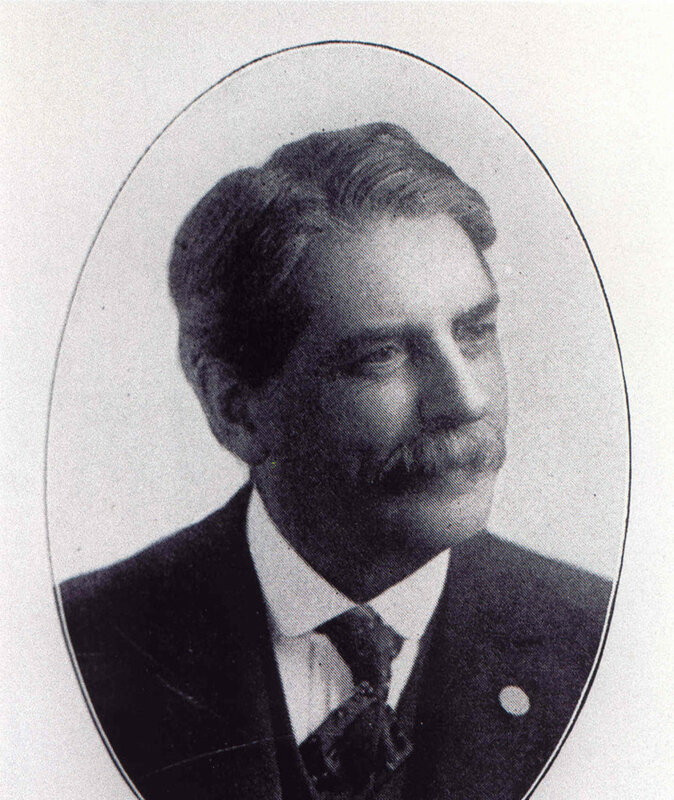
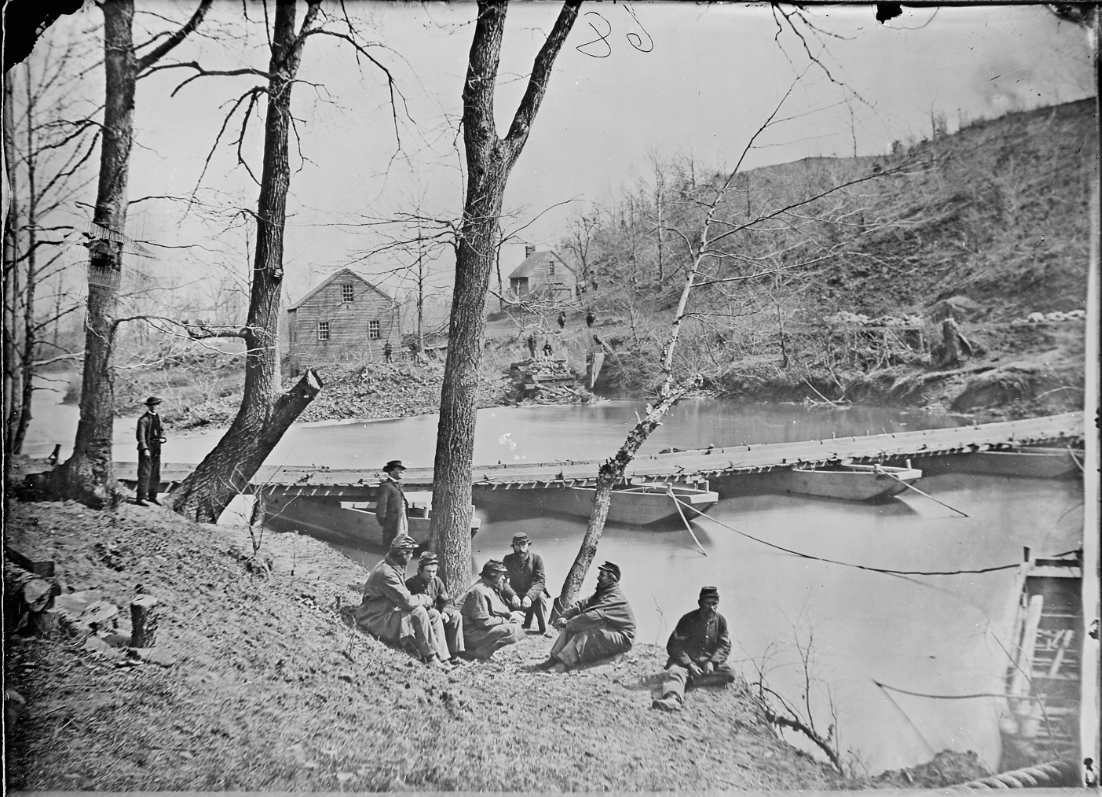
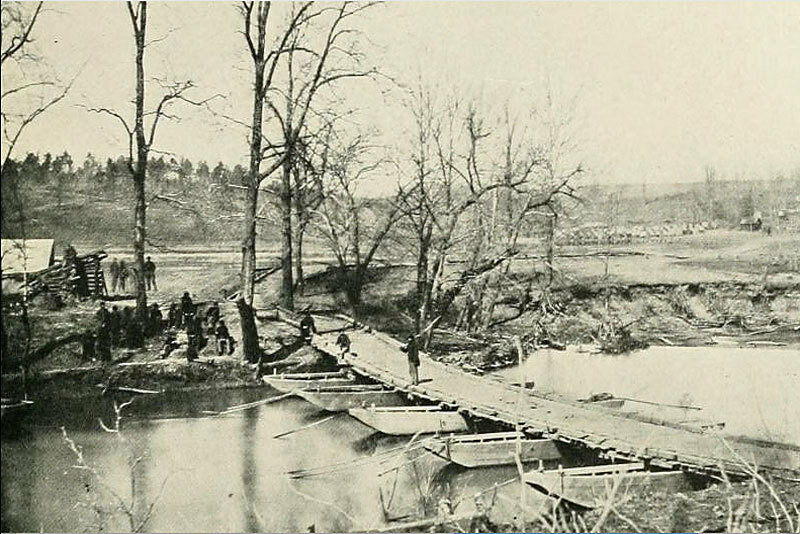
James Edwin Cross (1st Picture) (March 27, 1840 – January 6, 1917) was an American soldier who served as a corporal in the Union Army during the American Civil War and was awarded the Medal of Honor for his bravery at the Battle of Blackburn's Ford. (2nd & 3rd Pictures)
Born in Darien, Genesee County, New York, Cross enlisted in Company K of the 12th New York Infantry Regiment, also known as the Independence Guard, where he rose to the rank of sergeant major. On July 18, 1861, during the First Battle of Bull Run at Blackburn's Ford, Virginia, Cross and a companion refused to retreat when their regiment was driven back in disorder, instead holding their position on the skirmish line and continuing to fire on Confederate forces. This act of valor earned him the Medal of Honor, which was formally presented on April 5, 1898.
After the war, Cross resided in Albany, New York, where he died in 1917 and was buried at Albany Rural Cemetery. His recognition as a Medal of Honor recipient highlights his role among the distinguished soldiers who exemplified courage in one of the pivotal conflicts of American history.
James Edwin Cross was born on March 27, 1840, in the town of Darien, Genesee County, New York. Historical records provide limited details on Cross's immediate family origins, with no verified information available on his parents or siblings from primary sources such as census data or military enlistment documents of the era. Gaps in surviving 19th-century vital records for rural New York communities contribute to this scarcity, though further archival research in local Genesee County repositories may yield additional insights.
Cross grew up in the rural farming community of Darien, a town formed in 1832 from the adjacent township of Pembroke and characterized by its rolling northern terrain and hilly southern landscapes suitable for agriculture. In the 1840s, Genesee County's economy centered on small-scale family farms producing wheat, dairy, and livestock, reflecting the broader socio-economic patterns of upstate New York during the antebellum period, where most residents lived in modest agrarian households amid the region's post-Erie Canal expansion.
Prior to his enlistment in the Union Army, James E. Cross resided in Batavia, Genesee County, New York, the site accredited for his military service. Born on March 27, 1840, in nearby Darien, also in Genesee County, Cross spent his early adulthood in this rural western New York region, which was characterized by expansive farmlands and small communities.
Specific details regarding Cross's occupation in the 1850s remain undocumented in surviving historical records, reflecting broader gaps in personal documentation for many individuals of that era. The economy of Genesee County during this period was overwhelmingly agricultural, with the majority of residents engaged in farming grains such as wheat, corn, and oats, alongside dairy production, livestock raising, and fruit cultivation on the area's fertile soils. Batavia, as the county seat and a growing commercial hub, supported related trades including milling, blacksmithing, and mercantile activities tied to agricultural output, though Cross's precise role—if any—in these sectors is unknown. No records of marriage or other personal life events for Cross prior to the war have been identified.
James E. Cross enlisted in the Union Army on April 24, 1861, at Batavia, joining Company K of the 12th New York Volunteer Infantry Regiment, known as the Independence Guard. The regiment was organized primarily from Onondaga County volunteers, with Company K recruited from Genesee County, New York, during that month for a two-year term of service, drawing recruits from local communities including Batavia, where Cross resided prior to enlistment. He was mustered into federal service as a private on May 13, 1861, and later advanced to the rank of corporal and then sergeant major within the unit.
James E. Cross enlisted as a private in Company K of the 12th New York Infantry Regiment, known as the "Onondaga Regiment" or "Independence Guard," on April 24, 1861, at Batavia, New York, and was mustered into federal service on May 13, 1861, for a two-year term. The regiment, organized primarily from Onondaga County volunteers, was initially assigned to the defense of Washington, D.C., before joining the Army of the Potomac in the early stages of the war. As a non-commissioned officer, Cross would have performed duties such as leading small groups of soldiers in drills, maintaining discipline within his company, and assisting officers in tactical maneuvers during marches and engagements, typical for corporals in volunteer infantry units.
Cross received promotions early in his service, advancing to corporal and eventually to sergeant major, reflecting his leadership capabilities within the regiment. However, on February 11, 1862, he was reduced in rank and transferred back to Company K, before being promoted to corporal once more. The 12th New York participated in the Peninsula Campaign of 1862, advancing toward Richmond under Major General George B. McClellan; the regiment saw action at Yorktown, Williamsburg, and Hanover Court House, enduring heavy marching and skirmishes in the swampy terrain of the Virginia Peninsula. During the Battle of Gaines' Mill on June 27, 1862—a key engagement in the Seven Days Battles—Cross was wounded while his unit helped repel Confederate assaults, contributing to the Federal defense before the eventual retreat to Harrison's Landing.
Cross's service ended prematurely due to his wounds, leading to his discharge for disability on September 29, 1862, at Washington, D.C. While the 12th New York continued in subsequent campaigns, including Fredericksburg in December 1862, Chancellorsville in May 1863, and Gettysburg in July 1863—suffering significant casualties in these battles before mustering out its two-year men in May 1863 and consolidating into a battalion that served until June 1864—personal records for Cross remain incomplete regarding other specific engagements or duties beyond his known wounding and early promotions.
The Engagement at Blackburn's Ford occurred on July 18, 1861, as a preliminary reconnaissance in the Manassas campaign leading to the First Battle of Bull Run. Union Army commander Brig. Gen. Irvin McDowell ordered Brig. Gen. Daniel Tyler's division to probe Confederate positions along Bull Run Creek near Centreville, Virginia, to assess enemy strength and locate their left flank without provoking a full engagement. Tyler's forces advanced from Centreville toward the ford, a shallow crossing point on the Bull Run River, arriving by late morning and positioning artillery to overlook the site.
The 12th New York Infantry Regiment, part of Col. Israel B. Richardson's brigade in Tyler's division, played a key role on the skirmish line during the afternoon escalation. At the time, James E. Cross served as a corporal in Company K of the regiment. The 12th New York, alongside the 1st Massachusetts Infantry, advanced across the stream bottom after initial skirmishers drew fire, facing intense musketry from concealed Confederate positions. The regiment endured heavy volleys while attempting to charge a masked battery, falling back to a ravine after multiple efforts before artillery support arrived for a prolonged cannonade. Tactically, the wooded and ravine-strewn terrain along Bull Run favored the defenders, who were entrenched on the southern bank with natural cover obscuring their lines. Confederate Brig. Gen. James Longstreet's brigade, including the 1st Virginia Infantry and supported by the Washington Artillery, held the ford with well-placed infantry and cannons, unleashing coordinated fire that halted the Union probe. The skirmish resulted in a Union withdrawal by late afternoon, with Tyler's division suffering 83 casualties, while the Confederates reported 68 killed and wounded; the 12th New York alone lost eight killed, seventeen wounded, and five missing. This outcome confirmed the strength of Confederate defenses along Bull Run, informing McDowell's plans for the subsequent battle.
During the skirmish at Blackburn's Ford on July 18, 1861—a Union reconnaissance probe that escalated into intense fighting along Bull Run—Corporal James E. Cross of Company K, 12th New York Infantry, displayed extraordinary valor amid mounting chaos. When the detachment to which he was attached was driven back in disorder by heavy Confederate fire from concealed positions across the ford, Cross refused to withdraw, instead holding his ground on the exposed skirmish line with a single companion, Private Charles F. Rand.
Together, they maintained their position for an extended period, delivering sustained fire against the enemy despite the surrounding turmoil of retreating comrades and intensifying musketry and artillery. This act of defiance subjected them to direct and prolonged exposure to Confederate volleys, highlighting Cross's personal initiative in stemming the rout and inspiring steadiness under fire.
Following his service in the Civil War and muster-out in 1863, James E. Cross relocated to Albany, New York, where he resided for the remainder of his life. In 1873, Cross began employment with the New York State Insurance Department in Albany, serving in an administrative role. State records indicate his annual salary was $2,400 by 1902, reflecting his long-term commitment to civil service work. This position provided stability for the veteran, leveraging opportunities available to former soldiers through government employment in the post-war era.
Details on Cross's family life, such as marriage or children, remain undocumented in available historical sources, highlighting gaps in records that warrant further archival research into local Albany censuses and vital statistics. Similarly, evidence of community involvement, such as veterans' organizations or fraternal groups, is limited, though his Medal of Honor status likely afforded him recognition among local Civil War survivors.
James Edwin Cross died on January 6, 1917, in Albany, New York, at the age of 76. The cause of his death is not specified in available records, though it is presumed to be related to natural causes given his advanced age.
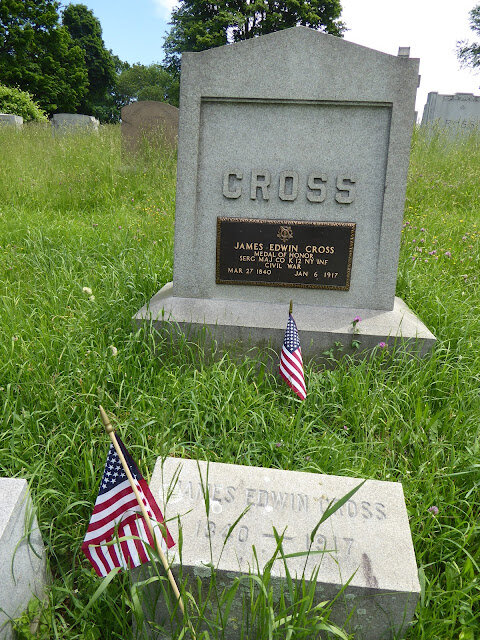
Cross was buried at Albany Rural Cemetery in Menands, New York, in plot MH 30-62. His grave is marked as that of a Medal of Honor recipient, reflecting his recognition for valor during the Civil War. (4th Picture)
As a Medal of Honor recipient awarded for actions in one of the war's earliest engagements, Cross holds a notable place in Civil War history as an early-war hero. He is honored by the Congressional Medal of Honor Society, which maintains records of his service and legacy
Medal of Honor citation:
The President of the United States of America, in the name of Congress, takes pleasure in presenting the Medal of Honor to Corporal James Edwin Cross, United States Army, for extraordinary heroism on 18 July 1861, while serving with Company K, 12th New York Infantry (Independence Guard), in action at Blackburn’s Ford, Virginia. With a companion, Corporal Cross refused to retreat when the part of the regiment to which he was attached was driven back in disorder, but remained upon the skirmish line for some time thereafter, firing upon the enemy.
he Battle of Blackburn's Ford (2nd & 3rd Pictures) (also known as the Skirmish at Blackburn's Ford) took place on July 18, 1861, in the Confederate state of Virginia, as part of the Manassas campaign of the American Civil War. Union general Irvin McDowell's Army of Northeastern Virginia was marching south towards the Confederate capital of Richmond, and encountered the Confederate Army of the Potomac under the command of P. G. T. Beauregard. McDowell sent troops from Daniel Tyler's division to probe the Confederate defenses along Bull Run Creek to locate the Confederate left flank. At Blackburn's Ford, the Union troops attempted to cross but Confederate fire broke up the attack. The repulse at Blackburn's Ford led McDowell to seek to attack the Confederates at a different point along their line, leading to the First Battle of Bull Run three days later.
Civil War
James Edwin Cross (1st Picture) (March 27, 1840 – January 6, 1917) was an American soldier who served as a corporal in the Union Army during the American Civil War and was awarded the Medal of Honor for his bravery at the Battle of Blackburn's Ford. (2nd & 3rd Pictures)
Born in Darien, Genesee County, New York, Cross enlisted in Company K of the 12th New York Infantry Regiment, also known as the Independence Guard, where he rose to the rank of sergeant major. On July 18, 1861, during the First Battle of Bull Run at Blackburn's Ford, Virginia, Cross and a companion refused to retreat when their regiment was driven back in disorder, instead holding their position on the skirmish line and continuing to fire on Confederate forces. This act of valor earned him the Medal of Honor, which was formally presented on April 5, 1898.
After the war, Cross resided in Albany, New York, where he died in 1917 and was buried at Albany Rural Cemetery. His recognition as a Medal of Honor recipient highlights his role among the distinguished soldiers who exemplified courage in one of the pivotal conflicts of American history.
James Edwin Cross was born on March 27, 1840, in the town of Darien, Genesee County, New York. Historical records provide limited details on Cross's immediate family origins, with no verified information available on his parents or siblings from primary sources such as census data or military enlistment documents of the era. Gaps in surviving 19th-century vital records for rural New York communities contribute to this scarcity, though further archival research in local Genesee County repositories may yield additional insights.
Cross grew up in the rural farming community of Darien, a town formed in 1832 from the adjacent township of Pembroke and characterized by its rolling northern terrain and hilly southern landscapes suitable for agriculture. In the 1840s, Genesee County's economy centered on small-scale family farms producing wheat, dairy, and livestock, reflecting the broader socio-economic patterns of upstate New York during the antebellum period, where most residents lived in modest agrarian households amid the region's post-Erie Canal expansion.
Prior to his enlistment in the Union Army, James E. Cross resided in Batavia, Genesee County, New York, the site accredited for his military service. Born on March 27, 1840, in nearby Darien, also in Genesee County, Cross spent his early adulthood in this rural western New York region, which was characterized by expansive farmlands and small communities.
Specific details regarding Cross's occupation in the 1850s remain undocumented in surviving historical records, reflecting broader gaps in personal documentation for many individuals of that era. The economy of Genesee County during this period was overwhelmingly agricultural, with the majority of residents engaged in farming grains such as wheat, corn, and oats, alongside dairy production, livestock raising, and fruit cultivation on the area's fertile soils. Batavia, as the county seat and a growing commercial hub, supported related trades including milling, blacksmithing, and mercantile activities tied to agricultural output, though Cross's precise role—if any—in these sectors is unknown. No records of marriage or other personal life events for Cross prior to the war have been identified.
James E. Cross enlisted in the Union Army on April 24, 1861, at Batavia, joining Company K of the 12th New York Volunteer Infantry Regiment, known as the Independence Guard. The regiment was organized primarily from Onondaga County volunteers, with Company K recruited from Genesee County, New York, during that month for a two-year term of service, drawing recruits from local communities including Batavia, where Cross resided prior to enlistment. He was mustered into federal service as a private on May 13, 1861, and later advanced to the rank of corporal and then sergeant major within the unit.
James E. Cross enlisted as a private in Company K of the 12th New York Infantry Regiment, known as the "Onondaga Regiment" or "Independence Guard," on April 24, 1861, at Batavia, New York, and was mustered into federal service on May 13, 1861, for a two-year term. The regiment, organized primarily from Onondaga County volunteers, was initially assigned to the defense of Washington, D.C., before joining the Army of the Potomac in the early stages of the war. As a non-commissioned officer, Cross would have performed duties such as leading small groups of soldiers in drills, maintaining discipline within his company, and assisting officers in tactical maneuvers during marches and engagements, typical for corporals in volunteer infantry units.
Cross received promotions early in his service, advancing to corporal and eventually to sergeant major, reflecting his leadership capabilities within the regiment. However, on February 11, 1862, he was reduced in rank and transferred back to Company K, before being promoted to corporal once more. The 12th New York participated in the Peninsula Campaign of 1862, advancing toward Richmond under Major General George B. McClellan; the regiment saw action at Yorktown, Williamsburg, and Hanover Court House, enduring heavy marching and skirmishes in the swampy terrain of the Virginia Peninsula. During the Battle of Gaines' Mill on June 27, 1862—a key engagement in the Seven Days Battles—Cross was wounded while his unit helped repel Confederate assaults, contributing to the Federal defense before the eventual retreat to Harrison's Landing.
Cross's service ended prematurely due to his wounds, leading to his discharge for disability on September 29, 1862, at Washington, D.C. While the 12th New York continued in subsequent campaigns, including Fredericksburg in December 1862, Chancellorsville in May 1863, and Gettysburg in July 1863—suffering significant casualties in these battles before mustering out its two-year men in May 1863 and consolidating into a battalion that served until June 1864—personal records for Cross remain incomplete regarding other specific engagements or duties beyond his known wounding and early promotions.
The Engagement at Blackburn's Ford occurred on July 18, 1861, as a preliminary reconnaissance in the Manassas campaign leading to the First Battle of Bull Run. Union Army commander Brig. Gen. Irvin McDowell ordered Brig. Gen. Daniel Tyler's division to probe Confederate positions along Bull Run Creek near Centreville, Virginia, to assess enemy strength and locate their left flank without provoking a full engagement. Tyler's forces advanced from Centreville toward the ford, a shallow crossing point on the Bull Run River, arriving by late morning and positioning artillery to overlook the site.
The 12th New York Infantry Regiment, part of Col. Israel B. Richardson's brigade in Tyler's division, played a key role on the skirmish line during the afternoon escalation. At the time, James E. Cross served as a corporal in Company K of the regiment. The 12th New York, alongside the 1st Massachusetts Infantry, advanced across the stream bottom after initial skirmishers drew fire, facing intense musketry from concealed Confederate positions. The regiment endured heavy volleys while attempting to charge a masked battery, falling back to a ravine after multiple efforts before artillery support arrived for a prolonged cannonade. Tactically, the wooded and ravine-strewn terrain along Bull Run favored the defenders, who were entrenched on the southern bank with natural cover obscuring their lines. Confederate Brig. Gen. James Longstreet's brigade, including the 1st Virginia Infantry and supported by the Washington Artillery, held the ford with well-placed infantry and cannons, unleashing coordinated fire that halted the Union probe. The skirmish resulted in a Union withdrawal by late afternoon, with Tyler's division suffering 83 casualties, while the Confederates reported 68 killed and wounded; the 12th New York alone lost eight killed, seventeen wounded, and five missing. This outcome confirmed the strength of Confederate defenses along Bull Run, informing McDowell's plans for the subsequent battle.
During the skirmish at Blackburn's Ford on July 18, 1861—a Union reconnaissance probe that escalated into intense fighting along Bull Run—Corporal James E. Cross of Company K, 12th New York Infantry, displayed extraordinary valor amid mounting chaos. When the detachment to which he was attached was driven back in disorder by heavy Confederate fire from concealed positions across the ford, Cross refused to withdraw, instead holding his ground on the exposed skirmish line with a single companion, Private Charles F. Rand.
Together, they maintained their position for an extended period, delivering sustained fire against the enemy despite the surrounding turmoil of retreating comrades and intensifying musketry and artillery. This act of defiance subjected them to direct and prolonged exposure to Confederate volleys, highlighting Cross's personal initiative in stemming the rout and inspiring steadiness under fire.
Following his service in the Civil War and muster-out in 1863, James E. Cross relocated to Albany, New York, where he resided for the remainder of his life. In 1873, Cross began employment with the New York State Insurance Department in Albany, serving in an administrative role. State records indicate his annual salary was $2,400 by 1902, reflecting his long-term commitment to civil service work. This position provided stability for the veteran, leveraging opportunities available to former soldiers through government employment in the post-war era.
Details on Cross's family life, such as marriage or children, remain undocumented in available historical sources, highlighting gaps in records that warrant further archival research into local Albany censuses and vital statistics. Similarly, evidence of community involvement, such as veterans' organizations or fraternal groups, is limited, though his Medal of Honor status likely afforded him recognition among local Civil War survivors.
James Edwin Cross died on January 6, 1917, in Albany, New York, at the age of 76. The cause of his death is not specified in available records, though it is presumed to be related to natural causes given his advanced age.
Cross was buried at Albany Rural Cemetery in Menands, New York, in plot MH 30-62. His grave is marked as that of a Medal of Honor recipient, reflecting his recognition for valor during the Civil War. (4th Picture)
As a Medal of Honor recipient awarded for actions in one of the war's earliest engagements, Cross holds a notable place in Civil War history as an early-war hero. He is honored by the Congressional Medal of Honor Society, which maintains records of his service and legacy
Medal of Honor citation:
The President of the United States of America, in the name of Congress, takes pleasure in presenting the Medal of Honor to Corporal James Edwin Cross, United States Army, for extraordinary heroism on 18 July 1861, while serving with Company K, 12th New York Infantry (Independence Guard), in action at Blackburn’s Ford, Virginia. With a companion, Corporal Cross refused to retreat when the part of the regiment to which he was attached was driven back in disorder, but remained upon the skirmish line for some time thereafter, firing upon the enemy.
he Battle of Blackburn's Ford (2nd & 3rd Pictures) (also known as the Skirmish at Blackburn's Ford) took place on July 18, 1861, in the Confederate state of Virginia, as part of the Manassas campaign of the American Civil War. Union general Irvin McDowell's Army of Northeastern Virginia was marching south towards the Confederate capital of Richmond, and encountered the Confederate Army of the Potomac under the command of P. G. T. Beauregard. McDowell sent troops from Daniel Tyler's division to probe the Confederate defenses along Bull Run Creek to locate the Confederate left flank. At Blackburn's Ford, the Union troops attempted to cross but Confederate fire broke up the attack. The repulse at Blackburn's Ford led McDowell to seek to attack the Confederates at a different point along their line, leading to the First Battle of Bull Run three days later.
 Medal of Honor
 Medals
 Civil War
 Military History
 Heroes
Edited 8 d ago
Posted 8 d ago
Responses: 2


Read This Next


 Continue with Facebook
 Continue with Google