

Posted on Jul 3, 2025

Don’t keep that near-miss – or repeated - blast off your medical record

1.46M
354
72
103
103
0
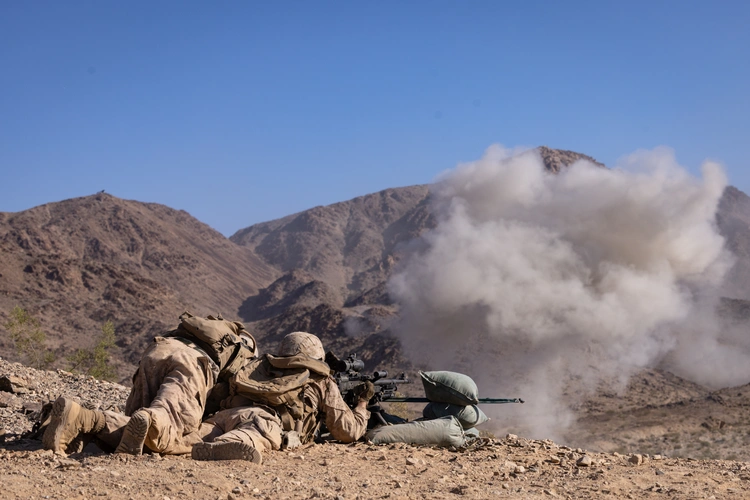
Have you ever been on a patrol where you took mortar or RPG fire, or maybe an IED-blast – but no shrapnel – and just continued mission like it was another day on the job?
What about time spent at the range or a shoot house with lots of high caliber rounds or other explosives detonating near you?
I did all of the above… and my first thoughts were, “it’s not that big of a deal. I don’t want to see the medics and leave my guys behind.” I never gave a second thought to go get these things noted in my medical record.
Pride and inexperience can be a dangerous thing for “future you.”
It turns out that our brains don’t forget as many things as we seem to [citation: https://rly.pt/ScienceDirect].
I’ve been out of the military for a while now and I deal with sleep and other issues that may have come from these past incidents.
If this sounds similar to your experiences, some other symptoms you may want to look for include unexplained vision, balance, hearing, headaches, memory issues, emotional challenges, or incidents losing your temper with your team, family, or friends.
If you are still actively serving in the military, make sure you raise your concerns to your doctor and mention the concussive events so they are documented in your medical records. If you don’t want to bring it up now because you are not sure if you really have these symptoms and don’t want it to keep you from your next promotion, I get it. Just make sure you have these issues documented the moment you drop your papers to end your military service.
That single piece of documentation – made while you are still serving – will be key for the VA to determine benefits and treatment available to you later in life.
If you, like me, are already out of service, and you didn’t have anything documented and are looking for a path forward, then go talk to your doctor. If your doc is not at the VA, consider getting VA care as their docs see a lot more brain trauma patients than most of their civilian counterparts: https://rly.pt/VAapply.
Also, for many reasons (see my last post here: https://rly.pt/ReactToContact), stay in touch with those who served with you. It can be their eyewitness accounts of things you experienced together that can help you if you don’t have the things I mentioned above documented to get the benefits you have earned.
What about time spent at the range or a shoot house with lots of high caliber rounds or other explosives detonating near you?
I did all of the above… and my first thoughts were, “it’s not that big of a deal. I don’t want to see the medics and leave my guys behind.” I never gave a second thought to go get these things noted in my medical record.
Pride and inexperience can be a dangerous thing for “future you.”
It turns out that our brains don’t forget as many things as we seem to [citation: https://rly.pt/ScienceDirect].
I’ve been out of the military for a while now and I deal with sleep and other issues that may have come from these past incidents.
If this sounds similar to your experiences, some other symptoms you may want to look for include unexplained vision, balance, hearing, headaches, memory issues, emotional challenges, or incidents losing your temper with your team, family, or friends.
If you are still actively serving in the military, make sure you raise your concerns to your doctor and mention the concussive events so they are documented in your medical records. If you don’t want to bring it up now because you are not sure if you really have these symptoms and don’t want it to keep you from your next promotion, I get it. Just make sure you have these issues documented the moment you drop your papers to end your military service.
That single piece of documentation – made while you are still serving – will be key for the VA to determine benefits and treatment available to you later in life.
If you, like me, are already out of service, and you didn’t have anything documented and are looking for a path forward, then go talk to your doctor. If your doc is not at the VA, consider getting VA care as their docs see a lot more brain trauma patients than most of their civilian counterparts: https://rly.pt/VAapply.
Also, for many reasons (see my last post here: https://rly.pt/ReactToContact), stay in touch with those who served with you. It can be their eyewitness accounts of things you experienced together that can help you if you don’t have the things I mentioned above documented to get the benefits you have earned.
Posted in these groups:  Department of Veterans Affairs (VA)
 TBI
TBI Medal of Honor
 DisabilityMedically Unexplained Symptoms (MUS)
Department of Veterans Affairs (VA) TBI Medal of Honor DisabilityMedically Unexplained Symptoms (MUS)
Posted 6 mo ago
Responses: 52
2
2
0

24 years a tanker and one in field artillery. No combat tours, but plenty of range time - lots of blast waves. I remember thinking how cool it was sitting on the hatch of my tank on static ranges and the others around me were firing. I felt the waves and thought it was awesome. Even with earplugs and the limited protection of the headphones in the CVC helmets - - hearing loss and who knows what else?
(2)
(0)
2
2
0

It is nice to be able to address these issues. When I was in combat in 1970 there was no way to address any of these issues, I don't even know if I had or where my medical records were, we moved around and was never in one place longer than a couple of months. Everything was "in the rear" and we got to go there once during my deployments. The only records were when you were medivacted
(2)
(0)
2
2
0

I was in a vehicle rollover in Qatar in 2005.
Although it is medically documented with the VA, the problem I run into is my inability to effectively communicate what's really going on with me.
It seems like anytime I'm having an issue and get in front of my doc, my brain freezes up or I miscommunicate what I'm trying to say, which, leads me to believe that it's just something I have to deal with because, well, people aren't psychics.
Adapt and do what I can to drive on is a day-to-day.
Although it is medically documented with the VA, the problem I run into is my inability to effectively communicate what's really going on with me.
It seems like anytime I'm having an issue and get in front of my doc, my brain freezes up or I miscommunicate what I'm trying to say, which, leads me to believe that it's just something I have to deal with because, well, people aren't psychics.
Adapt and do what I can to drive on is a day-to-day.
(2)
(0)
2
2
0

I was a seabee, and was continually exposed to loud engines, banging and clanging, typical construction sounds all without hearing protection. I can't count the number of times my haed hat got knocked off and minor impacts to my head occurred. None of this was ever documented in my jacket. Weapons training with those foam earplugs for protection, night fire demonstrations of "final protective fire" , etc. I have extreme hearing loss and several other issues that my doctor attributes to my service. What can I do to get assistance or help.
(2)
(0)
2
2
0

In 1969, during my 1st Tour in Vietnam, as an Army Helicopter Pilot, I was in a serious helicopter crash and knocked unconscious. I was med-evacked, and hospitalized at an Air Force Clinic at Phan Rang AFB. I was returned to my unit, 192nd AHC and back to flying duty in a couple months. Currently Retired Status....90% Disability but not for head injury.
(2)
(0)
2
2
0
OIF I - March 24, 2003 while preparing for movement from Objective Rams. Started taking incoming mortar rounds. One landed about 30 or so meters from me. I can remember seeing the explosion and being dazed for a bit. I was enrolled in VA care in ‘23 after the PACT act passed and have yet to get screened for possible TBI.
(2)
(0)
2
2
0

2
2
0

So what are they doing about it?
Why did rally point ask??
I answered yes and got this.
Why did rally point ask??
I answered yes and got this.
(2)
(0)
2
2
0

Yeah, there is A LOT of stuff I wish I would have reported, however, our era was “suck it up, deal with it, stop goldbricking”
(2)
(0)
2
2
0

Mine was very minor but, I was face to face with an E2 or E3 unrated sailor and he jacked my jaw enough that the ships MAAs sent me to sickbay because he drove my lip into my canine tooth. I don't think I have any problems relating to that incident. I went to sick bay he went to the brig.
(2)
(0)
Read This Next


 Continue with Facebook
 Continue with Google