

Research

Research

5
5
0
Meet Alice
The man’s hands were trembling so violently he couldn’t hold his coffee cup.
He was a young immigrant, sitting in a tavern in Chicago.
It was 1910.
A woman walked into the bar.
She wasn't looking for a drink. She was looking for him.
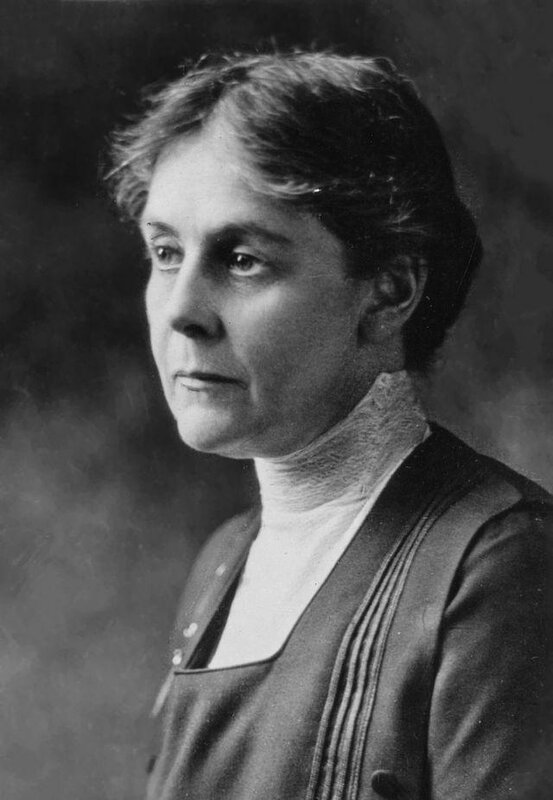
She was Dr. Alice Hamilton.
She was forty-one years old, well-dressed, and completely out of place in a working-class saloon.
She sat down next to the man. She looked at his shaking hands. She looked at the pale, greyish cast of his skin. She asked to see his gums.
There it was. The faint blue line running along the gum tissue.
"Burton's Line."
The signature of lead poisoning.
To the factory owners, this man was just a drunk or a "weakling" who couldn't handle the work.
To Alice Hamilton, he was evidence of a crime.
She was about to prove that American industry was getting away with murder.
Alice Hamilton lived at Hull House, the famous settlement house run by Jane Addams.
She saw the wreckage of the Industrial Revolution every day.
She saw men come home from the paint factories, the battery plants, and the smelting works, coughing up blood or losing their minds.
In 1910, "Occupational Safety" didn't exist.
There was no OSHA. There were no safety goggles. There were no ventilators.
If a worker died, the company said it was his own fault. They claimed he drank too much, or he didn't wash his hands.
The Governor of Illinois formed a commission to investigate "occupational diseases."
It was a political stunt. No one expected them to find anything, because the factories refused to share their medical records.
Alice Hamilton didn't need their records.
She invented a new kind of detective work. We call it "Shoe-Leather Epidemiology."
She realized that if the companies wouldn't talk, the bodies would.
She went undercover.
She woke up at dawn. She walked into the factories, climbing rickety ladders and squeezing into ventilation shafts.
She noticed things the owners ignored.
She noticed the dust in the air. She noticed the workers eating their sandwiches with lead-coated hands because there was no sink to wash in.
But her real work happened on the streets.
She visited the pharmacists. She asked, "Who is buying medicine for colic? Who is buying medicine for convulsions?"
She visited the barbers. She asked, "Do you have customers who are losing their hair?"
She tracked the workers to their homes.
She found men paralyzed in their beds, hidden away by shame.
She found the "Wrist Drop" a condition where the nerves in the arm are destroyed by lead, leaving the hand dangling uselessly.
She compiled the data.
She linked the dust in the air directly to the paralysis in the bed.
She took her findings to the National Lead Company.
The executives were smug. They told her, "Dr. Hamilton, these men are just dirty. If they washed their faces, they would be fine."
Alice slammed her report on the desk.
She proved that the lead was being inhaled. It was in the fumes.
Washing hands wouldn't save them. Only ventilation would.
She forced the giants of industry to admit they were poisoning the air.
Her work in Illinois was so undeniable that the federal government called.
They sent her across the nation.
She investigated the copper mines of Arizona and the stone cutters of Indiana (who were dying of "Dead Fingers" from the vibration of the jackhammers).
She was a one-woman safety inspector for the entire United States.
In 1919, Harvard University came calling.
They wanted to hire the world's leading expert on industrial medicine.
There was just one problem. The expert was a woman.
Harvard had never hired a female professor in its history.
They hired her anyway, but with ridiculous conditions.
They told her she was not allowed to enter the Harvard Faculty Club.
She was not allowed to march in the academic processions at graduation.
She was not allowed to sit on the platform with the male professors.
Alice didn't care.
She famously said, "I am not the one who will be embarrassed by this. You are."
She took the job.
She became the first woman appointed to the faculty of Harvard University.
She spent her tenure at Harvard fighting for the "mad hatters" the workers poisoned by mercury in the hat industry.
She fought for the "radium girls" the women whose jaws were rotting off from painting luminous watch dials.
She fought against the introduction of leaded gasoline (a fight she lost at the time, but history eventually proved her right).
She retired in 1935, but she didn't stop.
At age eighty, she was still writing letters to the government, warning about new chemicals.
She died in 1970 at the age of 101.
She lived just long enough to see the creation of the Occupational Safety and Health Administration (OSHA).
Every time a construction worker puts on a hard hat...
Every time a painter puts on a mask...
Every time a factory installs a ventilation fan...
They are being protected by the ghost of Alice Hamilton.
She taught America a lesson that we are still struggling to learn:
A paycheck should not cost you your life.
The man’s hands were trembling so violently he couldn’t hold his coffee cup.
He was a young immigrant, sitting in a tavern in Chicago.
It was 1910.
A woman walked into the bar.
She wasn't looking for a drink. She was looking for him.
She was Dr. Alice Hamilton.
She was forty-one years old, well-dressed, and completely out of place in a working-class saloon.
She sat down next to the man. She looked at his shaking hands. She looked at the pale, greyish cast of his skin. She asked to see his gums.
There it was. The faint blue line running along the gum tissue.
"Burton's Line."
The signature of lead poisoning.
To the factory owners, this man was just a drunk or a "weakling" who couldn't handle the work.
To Alice Hamilton, he was evidence of a crime.
She was about to prove that American industry was getting away with murder.
Alice Hamilton lived at Hull House, the famous settlement house run by Jane Addams.
She saw the wreckage of the Industrial Revolution every day.
She saw men come home from the paint factories, the battery plants, and the smelting works, coughing up blood or losing their minds.
In 1910, "Occupational Safety" didn't exist.
There was no OSHA. There were no safety goggles. There were no ventilators.
If a worker died, the company said it was his own fault. They claimed he drank too much, or he didn't wash his hands.
The Governor of Illinois formed a commission to investigate "occupational diseases."
It was a political stunt. No one expected them to find anything, because the factories refused to share their medical records.
Alice Hamilton didn't need their records.
She invented a new kind of detective work. We call it "Shoe-Leather Epidemiology."
She realized that if the companies wouldn't talk, the bodies would.
She went undercover.
She woke up at dawn. She walked into the factories, climbing rickety ladders and squeezing into ventilation shafts.
She noticed things the owners ignored.
She noticed the dust in the air. She noticed the workers eating their sandwiches with lead-coated hands because there was no sink to wash in.
But her real work happened on the streets.
She visited the pharmacists. She asked, "Who is buying medicine for colic? Who is buying medicine for convulsions?"
She visited the barbers. She asked, "Do you have customers who are losing their hair?"
She tracked the workers to their homes.
She found men paralyzed in their beds, hidden away by shame.
She found the "Wrist Drop" a condition where the nerves in the arm are destroyed by lead, leaving the hand dangling uselessly.
She compiled the data.
She linked the dust in the air directly to the paralysis in the bed.
She took her findings to the National Lead Company.
The executives were smug. They told her, "Dr. Hamilton, these men are just dirty. If they washed their faces, they would be fine."
Alice slammed her report on the desk.
She proved that the lead was being inhaled. It was in the fumes.
Washing hands wouldn't save them. Only ventilation would.
She forced the giants of industry to admit they were poisoning the air.
Her work in Illinois was so undeniable that the federal government called.
They sent her across the nation.
She investigated the copper mines of Arizona and the stone cutters of Indiana (who were dying of "Dead Fingers" from the vibration of the jackhammers).
She was a one-woman safety inspector for the entire United States.
In 1919, Harvard University came calling.
They wanted to hire the world's leading expert on industrial medicine.
There was just one problem. The expert was a woman.
Harvard had never hired a female professor in its history.
They hired her anyway, but with ridiculous conditions.
They told her she was not allowed to enter the Harvard Faculty Club.
She was not allowed to march in the academic processions at graduation.
She was not allowed to sit on the platform with the male professors.
Alice didn't care.
She famously said, "I am not the one who will be embarrassed by this. You are."
She took the job.
She became the first woman appointed to the faculty of Harvard University.
She spent her tenure at Harvard fighting for the "mad hatters" the workers poisoned by mercury in the hat industry.
She fought for the "radium girls" the women whose jaws were rotting off from painting luminous watch dials.
She fought against the introduction of leaded gasoline (a fight she lost at the time, but history eventually proved her right).
She retired in 1935, but she didn't stop.
At age eighty, she was still writing letters to the government, warning about new chemicals.
She died in 1970 at the age of 101.
She lived just long enough to see the creation of the Occupational Safety and Health Administration (OSHA).
Every time a construction worker puts on a hard hat...
Every time a painter puts on a mask...
Every time a factory installs a ventilation fan...
They are being protected by the ghost of Alice Hamilton.
She taught America a lesson that we are still struggling to learn:
A paycheck should not cost you your life.
Posted in these groups: Environmental SciencePublic Health Research
 Investigation
 Environmental Policy & Decision Making
Research Investigation Environmental Policy & Decision Making
Posted 15 d ago
Responses: 2

3
3
0

She helped with the first step. Unfortunately, we still have a way to go.
:t under the second Trump Administration, there has been a significant drop in the federal enforcement of wage and workplace safety regulations. Simply put, under Trump, much less is being done to protect workers on the job. "
https://documentedny.com/2026/01/21/osha-budget-cuts-risk-worker-safety/
:t under the second Trump Administration, there has been a significant drop in the federal enforcement of wage and workplace safety regulations. Simply put, under Trump, much less is being done to protect workers on the job. "
https://documentedny.com/2026/01/21/osha-budget-cuts-risk-worker-safety/
(3)
(0)
3
3
0
She doesn't get the Press that Upton Sinclair: " The Jungle" got in 1906...and then you have a gap until Rachel Carson put out: "A Silent Spring" in like the 1960's. And sadly, as far as I know, none of these books are required reading anymore.
(3)
(0)
Read This Next


 Continue with Facebook
 Continue with Google