
Posted on Jul 4, 2022

July’s weather will be critical for Midwest corn farmers and, possibly, consumers

1.85K
32
7
11
11
0
Farmers across much of the Corn Belt got a late start planting their corn this year. July could make or break this year’s crop. A poor harvest could fuel inflation and have a ripple effect for consumers.
Mark Mueller sleeps anxiously this time of year. Except when it rains.
The northeast Iowa farmer said the corn on his farm near Waverly is slightly shorter than normal for this time of year, but he expects that to change very soon.
“Every year, I do more pray for rain in July than I do the rest of the year combined,” Mueller said. “I never sleep easy in the month of July except on nights when it rains.”
Mueller and other farmers across much of the Corn Belt got a late start planting their corn this year. Cold and wet conditions put them behind, but recent rains and warmer temperatures have fueled the crop’s growth. July could make or break the crop.
Corn growers across the U.S. produced more than 15 billion bushels last year, according to the U.S. Department of Agriculture’s National Agriculture Statistics Service. It goes into America’s food system, ethanol production and animal feed. But it’s also used to make food packaging, candy and glue.
Mark Mueller sleeps anxiously this time of year. Except when it rains.
The northeast Iowa farmer said the corn on his farm near Waverly is slightly shorter than normal for this time of year, but he expects that to change very soon.
“Every year, I do more pray for rain in July than I do the rest of the year combined,” Mueller said. “I never sleep easy in the month of July except on nights when it rains.”
Mueller and other farmers across much of the Corn Belt got a late start planting their corn this year. Cold and wet conditions put them behind, but recent rains and warmer temperatures have fueled the crop’s growth. July could make or break the crop.
Corn growers across the U.S. produced more than 15 billion bushels last year, according to the U.S. Department of Agriculture’s National Agriculture Statistics Service. It goes into America’s food system, ethanol production and animal feed. But it’s also used to make food packaging, candy and glue.
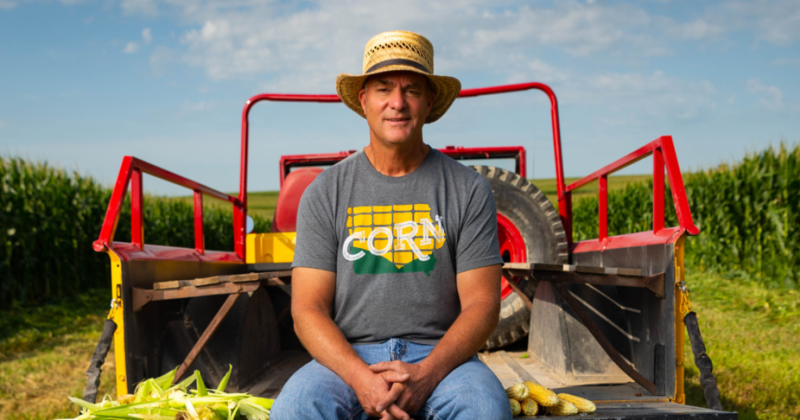
July’s weather will be critical for Midwest corn farmers and, possibly, consumers
Posted from kcur.orgPosted in these groups:  Farming
 Agriculture
Farming Agriculture
Posted >1 y ago
Responses: 6


Read This Next


 Continue with Facebook
 Continue with Google