

Posted on Apr 30, 2023

How the War in Vietnam Shaped America’s Future Military

178K
113
26
44
44
0

On April 30, 1975, the Vietnam War officially ended. The long and bloody conflict had lasted for over a decade and had resulted in the deaths of millions of people, including civilians, soldiers, and guerrilla fighters from both sides. The end of the war was marked by the fall of Saigon, the capital of South Vietnam, to the communist forces of North Vietnam.
For those of us who served in that period or remember the treatment of our returning soldiers, this is a day to honor their service and their sacrifices.
The Vietnam War was a protracted conflict that lasted from 1955 to 1975. During this time, a significant number of American soldiers were killed and wounded. According to the United States Department of Defense, the official casualty figures for the Vietnam War are:
- Total US Military Personnel (including Army, Navy, Air Force, Marines, and Coast Guard): 8,744,000 served
- Deaths: 58,220
- Wounded: 153,303
It is important to note that these figures do not include the thousands of soldiers who suffered from non-fatal injuries, illnesses, or long-term health effects because of their service in Vietnam.
The high number of American casualties in the Vietnam War was a major factor in shaping public opinion and ultimately led to widespread opposition to the war. The human toll of the war, coupled with the perceived lack of progress and the controversy surrounding the draft, fueled anti-war sentiment and contributed to the social and political upheaval of the 1960s and 1970s.
The Vietnam War had a significant impact on the creation of the all-volunteer army in the United States. Prior to the war, the US military relied heavily on the draft to fill its ranks. The draft was a system of compulsory military service, in which young men were required to serve in the military for a set period.
During the Vietnam War, the draft became highly controversial. Many young men were opposed to the war and felt that they were being forced to fight in a conflict that they did not believe in. The draft also led to widespread protests and civil disobedience, with many people refusing to comply with the draft or burning their draft cards.
The controversy surrounding the draft highlighted the need for a new system of recruiting soldiers. In 1969, President Richard Nixon established the Gates Commission, which was tasked with examining the future of the US military. The commission recommended the creation of an all-volunteer military, which would rely on incentives and recruitment efforts to attract young men and women to the military.
The creation of the all-volunteer military was seen as a way to address the problems of the draft and to create a more professional and efficient military. Supporters of the all-volunteer army argued it would attract more motivated and skilled soldiers, who would be more likely to make a career out of military service. They also argued that an all-volunteer army would be less prone to the civil unrest and anti-war protests that had plagued the military during the Vietnam War.
The decision to create an all-volunteer military was not without controversy. Critics argued that an all-volunteer military would be more expensive and that it would disproportionately affect lower-income Americans, who would be more likely to enlist in the military for financial reasons. They also argued that an all-volunteer military would create a divide between the military and civilian population, with the military becoming increasingly isolated from the rest of society.
Despite these concerns, the all-volunteer military was established in 1973. The new system relied on a combination of incentives, such as signing bonuses and educational benefits, to attract young men and women to the military.
However, the all-volunteer military also faced its own set of challenges. One of the biggest challenges was the need to maintain a high level of recruitment in order to meet the demands of ongoing conflicts such as the Gulf War and the wars in Iraq and Afghanistan. This led to concerns about overstretching the military and putting too much pressure on the soldiers and their families.
There are several advantages to having an all-volunteer army, including:
1. High-quality recruits: An all-volunteer military attracts a higher caliber of recruits who are motivated, skilled, and committed to serving their country. Volunteers have a greater sense of duty and are more likely to approach their service as a career, rather than as a temporary obligation.
2. Professionalization and training: An all-volunteer force allows for greater investment in professionalization and training. The military can spend more time and resources on training and development, resulting in a more skilled and capable fighting force.
3. Greater flexibility: An all-volunteer force is more flexible and responsive to changing military needs. It allows for greater specialization and can adapt to new challenges and technologies more quickly.
4. Improved morale: Volunteers who have chosen to serve in the military have higher morale and greater job satisfaction than conscripts. They are more likely to feel a sense of pride and accomplishment in their work, which can translate to better performance and outcomes.
The painful lessons learned in the Vietnam War provided the impetus to create the modern, all-volunteer military of today. The sacrifice of those who served in Vietnam must always be remembered and honored.
For those of us who served in that period or remember the treatment of our returning soldiers, this is a day to honor their service and their sacrifices.
The Vietnam War was a protracted conflict that lasted from 1955 to 1975. During this time, a significant number of American soldiers were killed and wounded. According to the United States Department of Defense, the official casualty figures for the Vietnam War are:
- Total US Military Personnel (including Army, Navy, Air Force, Marines, and Coast Guard): 8,744,000 served
- Deaths: 58,220
- Wounded: 153,303
It is important to note that these figures do not include the thousands of soldiers who suffered from non-fatal injuries, illnesses, or long-term health effects because of their service in Vietnam.
The high number of American casualties in the Vietnam War was a major factor in shaping public opinion and ultimately led to widespread opposition to the war. The human toll of the war, coupled with the perceived lack of progress and the controversy surrounding the draft, fueled anti-war sentiment and contributed to the social and political upheaval of the 1960s and 1970s.
The Vietnam War had a significant impact on the creation of the all-volunteer army in the United States. Prior to the war, the US military relied heavily on the draft to fill its ranks. The draft was a system of compulsory military service, in which young men were required to serve in the military for a set period.
During the Vietnam War, the draft became highly controversial. Many young men were opposed to the war and felt that they were being forced to fight in a conflict that they did not believe in. The draft also led to widespread protests and civil disobedience, with many people refusing to comply with the draft or burning their draft cards.
The controversy surrounding the draft highlighted the need for a new system of recruiting soldiers. In 1969, President Richard Nixon established the Gates Commission, which was tasked with examining the future of the US military. The commission recommended the creation of an all-volunteer military, which would rely on incentives and recruitment efforts to attract young men and women to the military.
The creation of the all-volunteer military was seen as a way to address the problems of the draft and to create a more professional and efficient military. Supporters of the all-volunteer army argued it would attract more motivated and skilled soldiers, who would be more likely to make a career out of military service. They also argued that an all-volunteer army would be less prone to the civil unrest and anti-war protests that had plagued the military during the Vietnam War.
The decision to create an all-volunteer military was not without controversy. Critics argued that an all-volunteer military would be more expensive and that it would disproportionately affect lower-income Americans, who would be more likely to enlist in the military for financial reasons. They also argued that an all-volunteer military would create a divide between the military and civilian population, with the military becoming increasingly isolated from the rest of society.
Despite these concerns, the all-volunteer military was established in 1973. The new system relied on a combination of incentives, such as signing bonuses and educational benefits, to attract young men and women to the military.
However, the all-volunteer military also faced its own set of challenges. One of the biggest challenges was the need to maintain a high level of recruitment in order to meet the demands of ongoing conflicts such as the Gulf War and the wars in Iraq and Afghanistan. This led to concerns about overstretching the military and putting too much pressure on the soldiers and their families.
There are several advantages to having an all-volunteer army, including:
1. High-quality recruits: An all-volunteer military attracts a higher caliber of recruits who are motivated, skilled, and committed to serving their country. Volunteers have a greater sense of duty and are more likely to approach their service as a career, rather than as a temporary obligation.
2. Professionalization and training: An all-volunteer force allows for greater investment in professionalization and training. The military can spend more time and resources on training and development, resulting in a more skilled and capable fighting force.
3. Greater flexibility: An all-volunteer force is more flexible and responsive to changing military needs. It allows for greater specialization and can adapt to new challenges and technologies more quickly.
4. Improved morale: Volunteers who have chosen to serve in the military have higher morale and greater job satisfaction than conscripts. They are more likely to feel a sense of pride and accomplishment in their work, which can translate to better performance and outcomes.
The painful lessons learned in the Vietnam War provided the impetus to create the modern, all-volunteer military of today. The sacrifice of those who served in Vietnam must always be remembered and honored.
 Vietnam War
 Military History
 World History
Edited >1 y ago
Posted >1 y ago
Responses: 17
1
1
0

Hey there. This time I'm out here as the life-long Army Brat that I was. In case you're interested, there is an excellent book out told from the view of a 10-year old whose Col father got stationed in Saigon in 1969. "The Ignorance of Bliss - an American Kid in Saigon", by Sandy Hannah.
And we Brats even have our own Facebook pages and web sites.
And we Brats even have our own Facebook pages and web sites.
(1)
(0)
1
1
0

It destroyed the draft. Young people need to serve their country. They learn a lot by servering for couple of years. Semper Fi
(1)
(0)
1
1
0

Enlisted in 1967 and served in country from 1970-71.
Separated from active duty Easter Sunday 1971.
Separated from active duty Easter Sunday 1971.
(1)
(0)
1
1
0

One other aspect of how Vietnam shaped our military is that, at least in the Army, the leadership went to extraordinary lengths to abrogate the entire experience. Rather than seriously examine the lessons learned in Vietnam, the Army did a very deliberate about face. Throughout the next decade the mantra of Army training seemed to be The Only Enemy Is The Big Bad Bear And The Only Battlefield Is The Central European Plain.
When we entered the era of GWOT we suddenly found ourselves needing to reinvent counterinsurgency -- and we created an entire vocabulary of new terms to talk about this ALL NEW kind of warfare. "Asymmetric Warfare" was all new. "White Space" was a whole new idea on the battlefield where we faced the new problem of a "360° battlefield"
When we entered the era of GWOT we suddenly found ourselves needing to reinvent counterinsurgency -- and we created an entire vocabulary of new terms to talk about this ALL NEW kind of warfare. "Asymmetric Warfare" was all new. "White Space" was a whole new idea on the battlefield where we faced the new problem of a "360° battlefield"
(1)
(0)
0
0
0

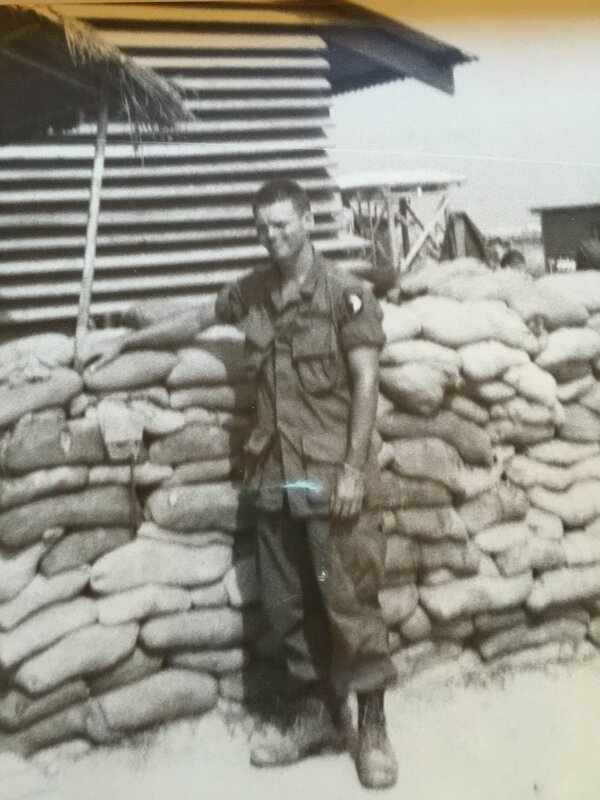
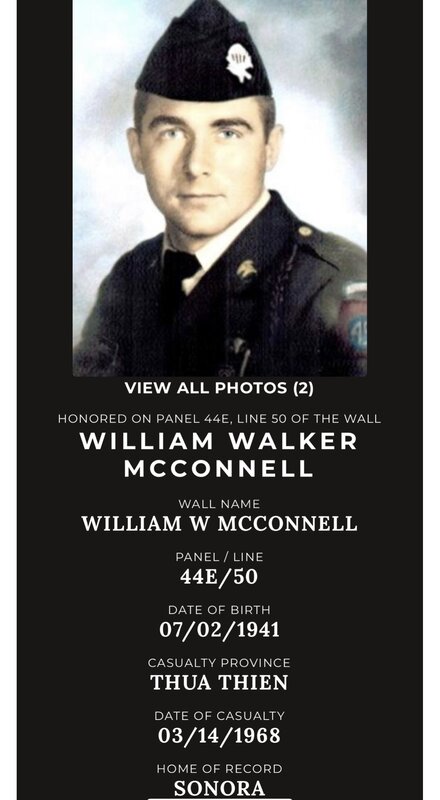
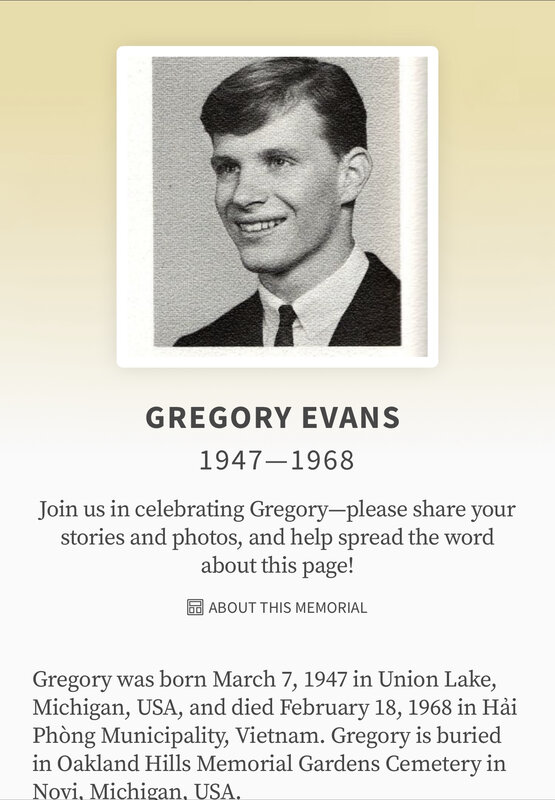
I don’t want to remember Vietnam but for all those that went with on December 13, 1967 (about 10,000), and especially my fellow combat medics who never returned, they are forever tattooed on my heart.
Photo of me standing and two of my many tattoos on my heart. Old Man McConnell (because all us medics were 17 to 20 and the old man was 26 when KIA) and Evans who was 20 and the first of us KIA.
Photo of me standing and two of my many tattoos on my heart. Old Man McConnell (because all us medics were 17 to 20 and the old man was 26 when KIA) and Evans who was 20 and the first of us KIA.
(0)
(0)
0
0
0
When I Went Through Parris Island In 79 , ALL Of My Drill Instructors Were Vietnam Vets, Most Of The Instructors At My A-Schools Were Also,
When I Got To My Permanent Squadron Most Of The NCOs Wore Combat Aircrew Wings From Vietnam,
They Were All My Mentors And Shaped Me Into A Marine !
When I Got To My Permanent Squadron Most Of The NCOs Wore Combat Aircrew Wings From Vietnam,
They Were All My Mentors And Shaped Me Into A Marine !
(0)
(0)
0
0
0
Live sex cams sites also offer a wide range of payment options, making it accessible for people with different budgets.
https://milfcam.cc/chat/eastern_fairy_tale
https://pantyhosecam.org/chat/bizarrelovetriangle
https://thegaycamchat.com/chat/tallskinnypackin
https://milfcam.cc/chat/eastern_fairy_tale
https://pantyhosecam.org/chat/bizarrelovetriangle
https://thegaycamchat.com/chat/tallskinnypackin

Sexy MILF eastern_fairy_tale gets wild in her private chat room
Experience the ultimate pleasure with renowned webcam model eastern_fairy_tale in her private chat room on the wildest MILF cam website.
(0)
(0)
Read This Next


 Continue with Facebook
 Continue with Google