
Posted on Aug 1, 2016

How do you deal with the physical sensations of anger?

43.1K
377
208
62
62
0

RP Members and Connections one of the effects of PTSD is Anger! How do you deal with the physical sensations of Anger?
Overview!
Anger is often a large part of a survivor's response to trauma. It is a core piece of the survival response in human beings. Anger helps us cope with life's stresses by giving us energy to keep going in the face of trouble or blocks. Yet anger can create major problems in the personal lives of those with PTSD.
Anger, which stimulates the body's adrenaline response which is our body's way of helping us to cope with either fighting, or running away ('fight or flight' response).
We respond to those thoughts and feelings, by acting, or feeling an urge to act, in threatening or aggressive ways.
Thoughts that often occur:
_I'm being treated unfairly
_I'm being disrespected
_They're breaking a rule or standard
_I won't stand for it
Physical Sensations - The Adrenaline Response
When there is real, or we believe there is a real, threat or danger, or that we have to defend or stand up for what we believe is right, our bodies' automatic survival mechanism kicks in very quickly. This helps energise us to fight or run away ('fight or flight response'). We will notice lots of physical sensations, which might include:
_heart racing or pounding - enabling good blood supply around our bodies
_breathing quickly - allowing more oxygen around the body
_tense muscles - a state of readiness to fight or flee
_shaking
_hot, sweating
_light-headed
_stomach churning or butterflies
_fist or teeth clenching
Behaviours might include:
_staring & angry facial expression
_aggressive body posture
_go towards what makes us angry
_attacking or arguing
_hitting out (or urge to hit out)
_shouting, snapping at others
_running or storming away
_staying silent, inwardly seething
_door slamming, making lots of noise
_sulking
We all feel angry some times. Anger has consequences, and they often involve hurting other people - more usually their feelings, but sometimes physically. Anger can cause problems in our personal lives, and affect work and study. After an angry outburst, we can think very critically of ourselves and our actions, leading us to feel guilty, ashamed and lower our mood, which might result in our withdrawing from others, not wanting to do anything.
Identify your triggers
What or when are the times when you are more likely to get angry? If you can see the patterns, then maybe you can do something about those situations, and do something different.
_Behind the wheel?
_At work?
_When stressed?
_With certain people?
_When you've been drinking or using other substances?
What to do when you feel angry
_STOPP! Pause, take a breath, don't react automatically
_Walk away - you can come back and talk later
_Ask yourself:
_What am I reacting to?
_What is it that's really pushing my buttons here?
_Am I getting things out of proportion?
_How important is this really?
_How important will it be in 6 months time?
_What harm has actually been done?
_Am I expecting something from this person or situation that is unrealistic?
_What's the worst (and best) that could happen? What's most likely to happen?
_Am I jumping to conclusions about what this person meant? Am I mis-reading between the lines? Is it possible that they didn't mean that? Is this fact or opinion?
_What do I want or need from this person or situation? What do they want or need from me? Is there a compromise?
_What would be the consequences of responding angrily?
_Is there another way of dealing with this? What would be the most helpful and effective action to take? (for me, for the situation, for the other person)
_Visualise yourself dealing with the situation in a calm, non-aggressive but assertive way, respecting the rights and opinions of all others involved.
How to deal with the physical sensations of anger
Counteract the body's adrenaline response - it's readiness for action, by using that energy healthily.
_Practice calming or mindful breathing - this one act alone will help reduce the physical sensations, emotions and intensity of thoughts.
_Visualisation: Breathe in blue (for calm) and/or green (for balance) and breathe out red.
_Go for a walk, run or cycle, or maybe do some gardening or housework.
Overview!
Anger is often a large part of a survivor's response to trauma. It is a core piece of the survival response in human beings. Anger helps us cope with life's stresses by giving us energy to keep going in the face of trouble or blocks. Yet anger can create major problems in the personal lives of those with PTSD.
Anger, which stimulates the body's adrenaline response which is our body's way of helping us to cope with either fighting, or running away ('fight or flight' response).
We respond to those thoughts and feelings, by acting, or feeling an urge to act, in threatening or aggressive ways.
Thoughts that often occur:
_I'm being treated unfairly
_I'm being disrespected
_They're breaking a rule or standard
_I won't stand for it
Physical Sensations - The Adrenaline Response
When there is real, or we believe there is a real, threat or danger, or that we have to defend or stand up for what we believe is right, our bodies' automatic survival mechanism kicks in very quickly. This helps energise us to fight or run away ('fight or flight response'). We will notice lots of physical sensations, which might include:
_heart racing or pounding - enabling good blood supply around our bodies
_breathing quickly - allowing more oxygen around the body
_tense muscles - a state of readiness to fight or flee
_shaking
_hot, sweating
_light-headed
_stomach churning or butterflies
_fist or teeth clenching
Behaviours might include:
_staring & angry facial expression
_aggressive body posture
_go towards what makes us angry
_attacking or arguing
_hitting out (or urge to hit out)
_shouting, snapping at others
_running or storming away
_staying silent, inwardly seething
_door slamming, making lots of noise
_sulking
We all feel angry some times. Anger has consequences, and they often involve hurting other people - more usually their feelings, but sometimes physically. Anger can cause problems in our personal lives, and affect work and study. After an angry outburst, we can think very critically of ourselves and our actions, leading us to feel guilty, ashamed and lower our mood, which might result in our withdrawing from others, not wanting to do anything.
Identify your triggers
What or when are the times when you are more likely to get angry? If you can see the patterns, then maybe you can do something about those situations, and do something different.
_Behind the wheel?
_At work?
_When stressed?
_With certain people?
_When you've been drinking or using other substances?
What to do when you feel angry
_STOPP! Pause, take a breath, don't react automatically
_Walk away - you can come back and talk later
_Ask yourself:
_What am I reacting to?
_What is it that's really pushing my buttons here?
_Am I getting things out of proportion?
_How important is this really?
_How important will it be in 6 months time?
_What harm has actually been done?
_Am I expecting something from this person or situation that is unrealistic?
_What's the worst (and best) that could happen? What's most likely to happen?
_Am I jumping to conclusions about what this person meant? Am I mis-reading between the lines? Is it possible that they didn't mean that? Is this fact or opinion?
_What do I want or need from this person or situation? What do they want or need from me? Is there a compromise?
_What would be the consequences of responding angrily?
_Is there another way of dealing with this? What would be the most helpful and effective action to take? (for me, for the situation, for the other person)
_Visualise yourself dealing with the situation in a calm, non-aggressive but assertive way, respecting the rights and opinions of all others involved.
How to deal with the physical sensations of anger
Counteract the body's adrenaline response - it's readiness for action, by using that energy healthily.
_Practice calming or mindful breathing - this one act alone will help reduce the physical sensations, emotions and intensity of thoughts.
_Visualisation: Breathe in blue (for calm) and/or green (for balance) and breathe out red.
_Go for a walk, run or cycle, or maybe do some gardening or housework.
 Anger
Anger PTSD
PTSD What Would You Do
 Exercising
 Victory for Veterans (VFV)
Edited 9 y ago
Posted >1 y ago
Responses: 90
3
3
0

I've always found the most important advice I've ever received is to stop and think "Who has the power here?" The answer is almost always "Me." I have the power to allow my anger to control me or to control my anger. I don't cede that power to another person, another situation, another force, or any other entity. The power is mine.
I know it sounds a little silly, but in practice if you really stop and put that in the forefront of you mind, it can work. Simple, but effective.
I know it sounds a little silly, but in practice if you really stop and put that in the forefront of you mind, it can work. Simple, but effective.
(3)
(0)

3
3
0
When living in Idaho, I used to chop wood. Here in Denmark I head to the shop, light the forge and pound some iron!
(3)
(0)
3
3
0

Physical exercise. Row if I can. Eliptical if I can't. Run if I must. Pound the crap out of the bed with a tennis racket if all else fails
(3)
(0)
COL Mikel J. Burroughs
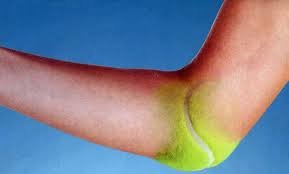
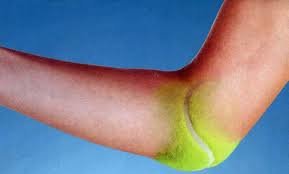
CPT Jack Durish well at least the tennis racket won't ruin the bed - will it? Also I hope you aren't getting Tennis Elbow because of all this aggression! LOL!
(0)
(0)
2
2
0

But this can also be a sign of PSTD, after many sessions with the mental health team it was was determined that the anger that many vets face isn't anger at all but a side effect of PSTD, but before you self diagnose that you have to look at the key factors.
Anger is much more intense for a lot of vets especially after you have been in a combat environment, I know for myself that before when I would get angry or mad it was just that, but after seeing combat and learning what fight or flight was about I did notice my anger was more of a rage, a rage that if you don't know how to control and calm yourself it will be your destruction. My brotha' s heeed the signs of anger, don't let it control your life but control it, find something that you can vent with
Anger is much more intense for a lot of vets especially after you have been in a combat environment, I know for myself that before when I would get angry or mad it was just that, but after seeing combat and learning what fight or flight was about I did notice my anger was more of a rage, a rage that if you don't know how to control and calm yourself it will be your destruction. My brotha' s heeed the signs of anger, don't let it control your life but control it, find something that you can vent with
(2)
(0)
2
2
0

Sometimes, when the anger comes, I have to use extreme self-control to not let it out. When I am at work (retail environment) and something trips my PTSD button, I may get angry, but I can't just go hide out in a room all alone until it passes. I have to deal with it, put a smile on my face and force the anger down. I cannot allow an emotion to take over my reasoning.
(2)
(0)
2
2
0

To be honest I am not sure I have figured out a full proof method of dealing with anger. I find solace at my church or when I am geeking away on my Linux computer, or when I hit the track and do 2 miles sometimes 3 which helps a lot. I will say that I like my brother Brackin also use Good old "Rock-n-Roll" Music to chill. sometimes a beer and good movie or a ball game, (depends upon who is playing might stress me further). but its among friends and the companionship makes it more amicable. Staying out of arguments is helpful, and knowing when to walk away is key. In conclusion praying everyday for the strength to be better than yesterday. It never gets easy its an ongoing battle for the mind.
(2)
(0)
2
2
0
Breath deep, and take a moment... Private time makes it all go away... for a time...
(2)
(0)
2
2
0

Thank you for an intriguing article. Once I got into law enforcement I learned quickly to control emotions, especially anger. To lose control of your emotions was to lose control of the situation and that could become deadly very quickly. Also in order to treat everyone fairly you had to control how you felt about that person. During interviews it was important to convey different feelings at opportune times to obtain the results you were looking for.
(2)
(0)
2
2
0
2
2
0

Find ways to counter that anger and use it to your advantage. It's an obstacle that may be hard to overcome at first, but with the right help there is always a bypass no matter how difficult. Some technique mentioned when my unit returned from Afghanistan were working out, getting a massage, deep breathing, etc. This is just one of I'm sure plenty of ways that can help in this situation.
(2)
(0)
Read This Next


 Continue with Facebook
 Continue with Google